
Polyphenism: environmentally triggered alternative phenotypes
Polyphenism is a form of discrete phenotypic plasticity in which a single genotype produces two or more distinct, environmentally determined morphs. Causes, examples, mechanisms, and significance.
Overview
Polyphenism is a form of polymorphism in which individuals with the same genetic makeup can develop into distinctly different physical or behavioral forms depending on environmental conditions. It is a subset of phenotypic plasticity: the genotype provides the potential, and a developmental switch responds to external cues to produce alternative morphs. For a general comparison with other types of polymorphism see polymorphism and for the role of inherited genetic potential see genotype.
Image gallery
9 Images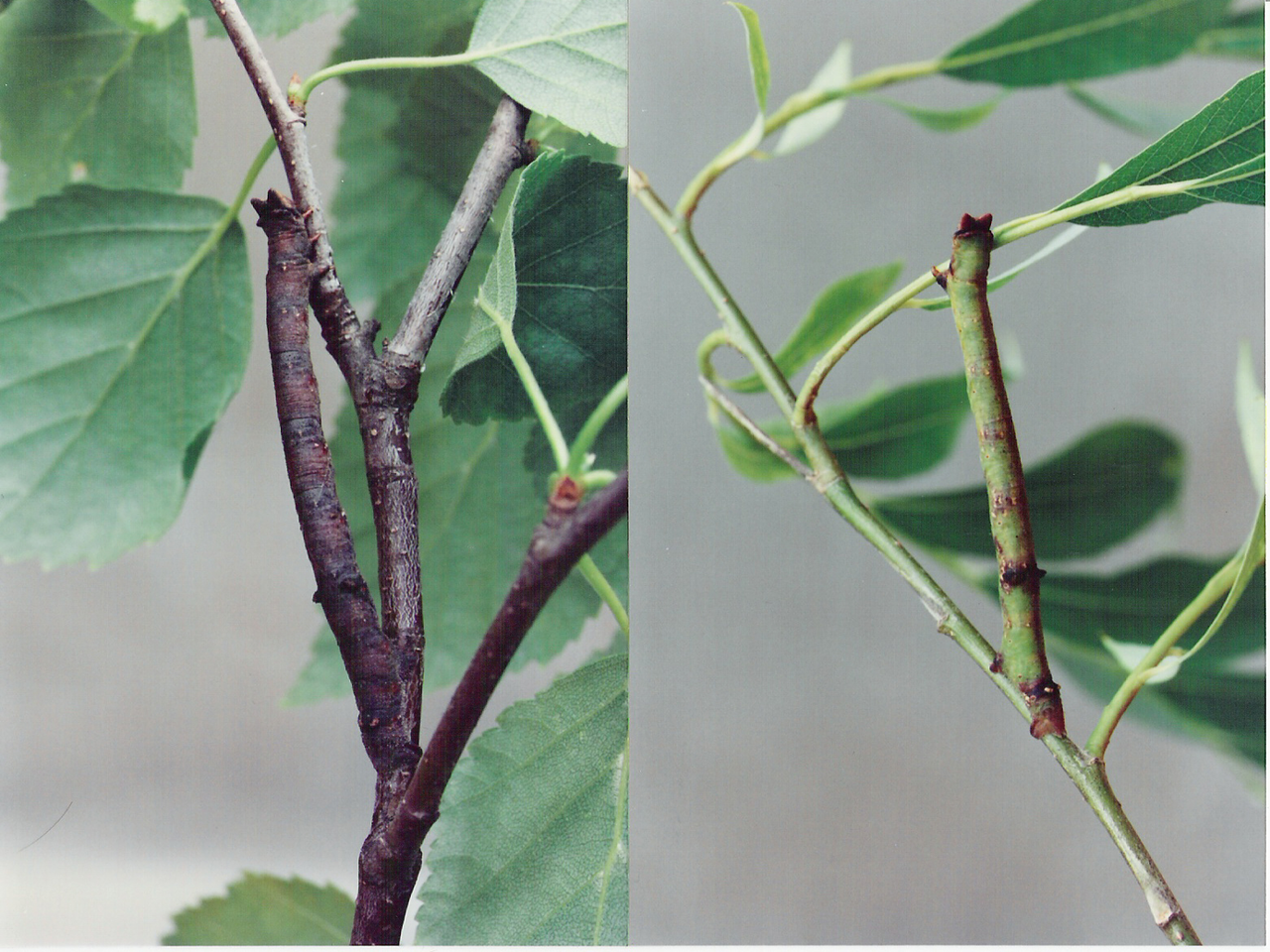


Mechanisms and triggers
Polyphenic outcomes are normally produced by a developmental decision point — often mediated by hormones, epigenetic changes, or threshold responses in gene networks — that is sensitive to an environmental trigger. Typical cues include temperature, nutrition, population density, photoperiod and chemical signals from predators or conspecifics. Examples of common triggers are summarized below:
- Temperature and seasonality (affecting body form or sex in some reptiles and insects).
- Diet or nutritional input (e.g., caste determination in social insects).
- Density and tactile cues (crowding can induce swarming forms in insects).
- Predator-derived chemical cues that induce defensive morphologies.
Representative examples
Well-known cases include caste polyphenism in ants and bees, where differences in larval diet and hormone exposure produce queens and workers; density-dependent phase polyphenism in locusts, which switch between solitary and gregarious forms; seasonal wing and color forms in some butterflies; inducible defensive structures in water fleas (Daphnia) in response to predators; and temperature-dependent sex determination in many crocodilians and turtles. These examples show how the same genome can yield discrete alternative phenotypes under different environmental conditions, in contrast to genetic polymorphism where morphs correspond to different inherited alleles.
Importance and distinctions
Polyphenism has adaptive value: it allows populations to match morphology or behavior to prevailing conditions without waiting for genetic change. It can act as a form of bet-hedging in variable environments and plays a role in ecology, evolution, and applied fields such as pest management. Important distinctions include whether a switch is reversible (some social or seasonal changes) or essentially irreversible (developmental caste differentiation), and how proximate mechanisms such as hormones, gene regulation and epigenetic marks implement the switch. Many studies emphasize molecular pathways like juvenile hormone action in insects or methylation changes that lock in a developmental pathway.
Notable facts and further reading
Because outcomes depend on environmental triggers, understanding polyphenism requires integrating ecology, developmental biology and genetics. For examples of environmental cues and developmental responses see environmental cues, and for discussion of sex determination systems contrasted with chromosomal sex determination see sex linkage. Research on polyphenism continues to illuminate how flexible developmental systems evolve and how organisms cope with changing environments.
Questions and answers
Q: What is polyphenism?
A: Polyphenism is a type of polymorphism where different forms of an animal are caused by a single genotype.
Q: What determines which form develops in polyphenism?
A: The environment determines which form develops in polyphenism.
Q: How does polyphenism differ from genetic polymorphism?
A: Polyphenism differs from genetic polymorphism because in genetic polymorphism, each morph (form) inherits a slightly different genome, but in polyphenism, the animal inherits a developmental switch that is sensitive to some environmental cue or trigger.
Q: What is a developmental switch?
A: In polyphenism, a developmental switch is what the animal inherits that is sensitive to some environmental cue or trigger.
Q: What is an example of a polyphenic trait in animals?
A: An example of a polyphenic trait in animals is the sex of crocodiles, which is determined by the prevailing temperature.
Q: Is the gender of crocodiles a result of sex linkage?
A: No, the gender of crocodiles is not determined by the usual sex linkage.
Q: What does polyphenism require an animal to inherit?
A: Polyphenism requires an animal to inherit a developmental switch that is sensitive to some environmental cue or trigger.
Related articles
Author
AlegsaOnline.com Polyphenism: environmentally triggered alternative phenotypes Leandro Alegsa
URL: https://en.alegsaonline.com/art/77878
Sources
- plosone.org : "A reversible color polyphenism in American Peppered Moth (Biston betularia cognataria) caterpillars"
- doi.org : 10.1371/journal.pone.0003142
- ncbi.nlm.nih.gov : 2518955
- pubmed.ncbi.nlm.nih.gov : 18769543
- doi.org : 10.1126/science.1071468
- pubmed.ncbi.nlm.nih.gov : 12114626
- doi.org : 10.1002/bies.20456
- pubmed.ncbi.nlm.nih.gov : 16937342