
Pomeranian Voivodeship (province) — overview and significance
Northern Polish region centered on Gdańsk, with Baltic coastline, ports, national parks, Kashubian culture and economy shaped by shipping, tourism and forestry.
The Pomeranian voivodeship, often described as a coastal province, occupies a stretch of northern Poland along the Baltic Sea. Its administrative capital is Gdańsk, a historic port city that anchors the region's economy and cultural life. The modern voivodeship was created on 1 January 1999 in a national reorganization that combined parts of the former Gdańsk, Elbląg and Słupsk units.
Image gallery
10 Images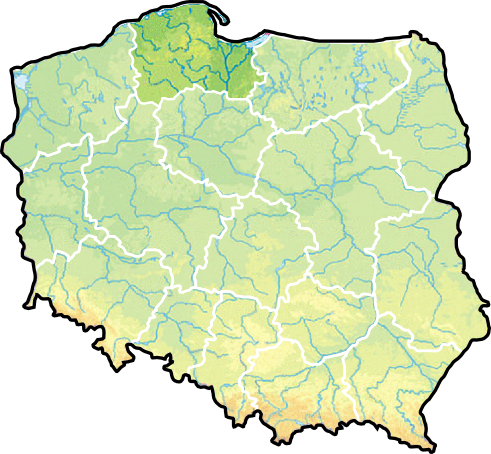


Geography and protected areas
Pomerania features a varied landscape: sandy Baltic beaches, coastal dunes, lakes, rivers and large forest complexes inland. Two nationally designated parks preserve distinctive ecosystems and attract visitors. Notable protected areas include:
- Słowiński National Park — famed for shifting dunes and coastal habitats
- Tuchola Forest National Park — an extensive coniferous forest with peatlands
History and cultural identity
The region has a layered history shaped by maritime trade, Hanseatic towns and shifting borders. Gdańsk and nearby cities developed as trading and shipbuilding centres. Pomerania is also home to the Kashubian community, a West Slavic ethnographic group with its own traditions, language forms and crafts that remain visible in regional festivals, signage and folk art.
Economy, transport and cities
The voivodeship's economy is diverse: major seaports support international shipping, logistics and ship repair; tourism flourishes along the coastline and in national parks; agriculture and forestry persist in rural areas. The metropolitan area known as the Tricity — Gdańsk, Gdynia and Sopot — concentrates industry, services, universities and cultural institutions. Well-developed road, rail and ferry connections link the region to domestic and international markets.
Administration and tourism
Administratively, the voivodeship is divided into counties and gminas (municipalities) that manage local services, conservation and development. For visitors, highlights include historic town centres, Baltic beaches, maritime museums, and outdoor recreation in forests and along lakes. Practical information such as maps and coordinates for planning travel can be found through regional resources: location and directions.
As a northern gateway to Poland, the Pomeranian Voivodeship combines natural assets, port infrastructure and a distinctive cultural heritage that together make it a significant area for commerce, conservation and tourism.
Related articles
Author
AlegsaOnline.com Pomeranian Voivodeship (province) — overview and significance Leandro Alegsa
URL: https://en.alegsaonline.com/art/77901