
Political problems of China
An overview of major political challenges in the People's Republic of China, including limits on civil liberties, one-party rule, governance trade-offs, historical development, and international implications.
Overview
The political system of the People's Republic of China is dominated by the Chinese Communist Party (CCP). Observers and rights organizations commonly point to constraints on civil liberties such as freedom of speech and freedom of religion, and broader limitations on political rights. The state emphasizes stability, economic growth, and national unity as priorities that shape its political choices.
Image gallery
10 Images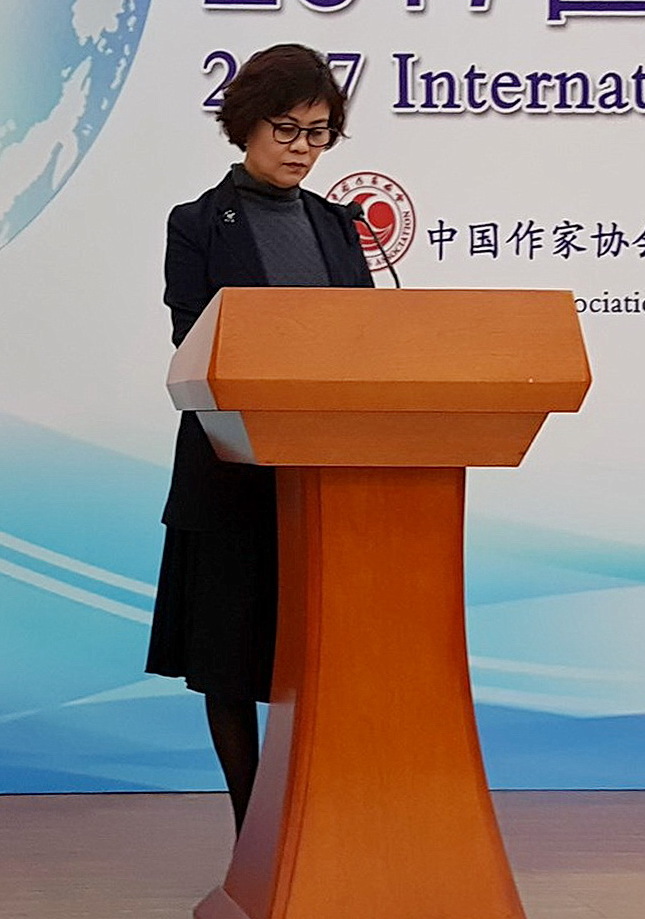




Key issues
Concerns frequently raised about China's politics fall into several categories:
- Censorship and information control, including internet filtering and media regulation.
- Restricted civic space: limits on independent NGOs, unions and political opposition.
- Religious and ethnic policy debates, especially in regions with distinct identities.
- Legal and judicial independence: courts are embedded in a party-led system.
- Centralized leadership and personnel control within the CCP.
Historical development
Since 1949 the CCP has maintained single-party governance. The model evolved through phases of mass campaigns, market-oriented reforms beginning in the late 1970s, and renewed emphasis on party control in recent years. China does not use multiparty competitive national elections in the way many liberal democracies do; instead, political power is exercised through party structures and state institutions, a system often described as one-party rule and contrasted with models of democracy.
Government perspective and responses
Chinese leaders argue these policies prevent instability, promote economic development, and preserve sovereignty. The government points to rapid economic growth, large-scale poverty reduction, and long-term planning as justifications for centralized authority. It has also introduced administrative and technological measures intended to manage social risks and enforce the law.
International implications and debate
China's political model is a subject of international debate. Foreign governments, international organizations and advocacy groups raise concerns about human rights and rule-of-law standards. At the same time, many states engage with China on trade, climate policy and diplomacy, balancing criticism with strategic interests.
Notable distinctions
Important distinctions include the difference between economic liberalization and political pluralism in China's recent history, and between national security justifications used by authorities and rights-based criticisms raised by external observers. Discussions about reform, governance effectiveness, and rights remain active within China and across the international community.
Related articles
Author
AlegsaOnline.com Political problems of China Leandro Alegsa
URL: https://en.alegsaonline.com/art/77771