
Pragmatism (philosophical tradition)
Pragmatism is a philosophical movement that assesses ideas by their practical consequences and usefulness, emphasizing inquiry, fallibilism, and the link between thought and action.
Pragmatism is a philosophical approach that evaluates beliefs, concepts and theories by their practical effects and consequences. Rather than treating truth as a fixed correspondence to reality, pragmatism asks how ideas work in experience—how they guide action, solve problems, and survive critical inquiry. It stresses that knowledge grows through testing, revision, and application.
Image gallery
6 Images



Core ideas and characteristics
Key features include a focus on practice, the view that meanings are revealed by operational consequences, and fallibilism—the idea that knowledge is fallible and corrigible. Pragmatism treats thinking as an instrument for coping with the world rather than as a passive mirror of it. It emphasizes experimental inquiry, pluralism about methods, and an anti-dogmatic stance toward abstract metaphysical claims.
Major figures and varieties
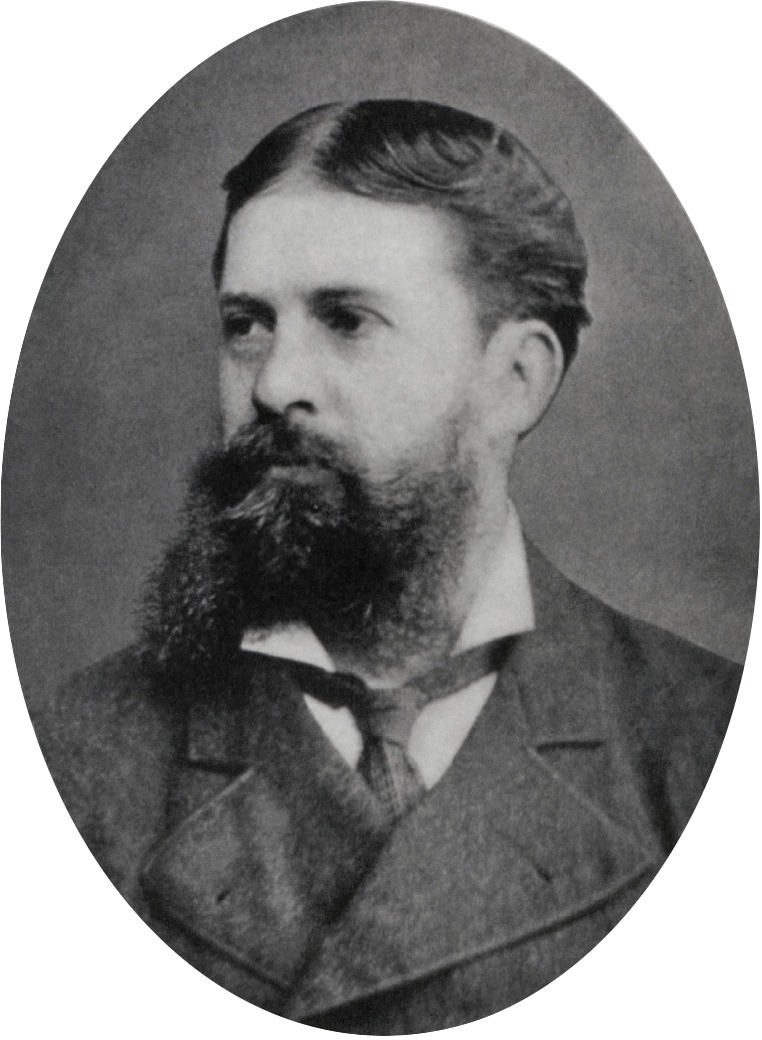
- Early American pragmatists shaped the tradition with different emphases: one stressed clarifying concepts by their practical bearings, another highlighted personal belief and religious faith as lived consequences, and another applied pragmatic principles to education and democracy.
- Later developments—sometimes called neo‑pragmatism—reinterpreted earlier ideas in light of language, politics, and social theory.
Applications and examples
Pragmatic thought influences the scientific method (hypotheses tested by consequences), legal pragmatism (decisions guided by social outcomes), education (learning by doing), and public policy (policies judged by results). In everyday reasoning, a pragmatic stance prioritizes workable solutions over abstract purity.
Distinctions and common misconceptions
Pragmatism is often mistaken for simple relativism or a licence for "anything goes." In fact, it maintains standards of inquiry and correction: an idea counts as good insofar as it survives testing, criticism, and communal assessment. It differs from utilitarianism by focusing on truth and inquiry rather than only maximizing welfare, and from strict empiricism by emphasizing the active, problem‑solving role of thought.
Overall, pragmatism is a flexible, practice‑oriented tradition that links theory and action, viewing beliefs as tools to be improved through experience and discussion rather than as immutable statements about a separate realm of reality.
Related articles
Author
AlegsaOnline.com Pragmatism (philosophical tradition) Leandro Alegsa
URL: https://en.alegsaonline.com/art/78595