
Polisario Front: Sahrawi nationalist movement and political organization
Sahrawi nationalist movement founded in the early 1970s that seeks independence for Western Sahara; it proclaimed the Sahrawi Arab Democratic Republic and remains central to the territory's unresolved status.
Overview

Image gallery
8 Images




Names, symbols and claims
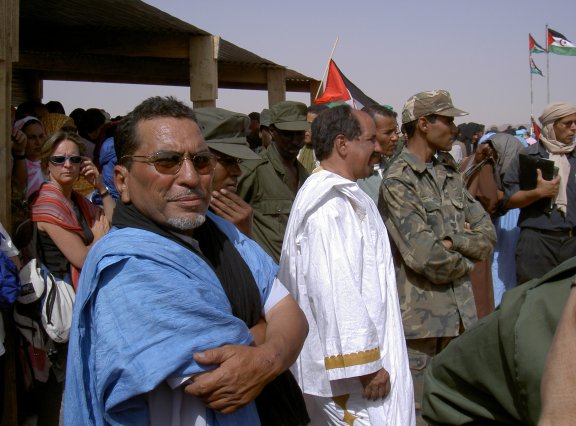
The group is commonly known by its shortened name, Polisario, and uses national symbols associated with the SADR. Its stated objective is self-determination for the Sahrawi people, most often defined as the creation of an independent Sahrawi state covering Western Sahara. The Polisario frames its cause in anti-colonial and national liberation terms and has sought recognition and membership in regional and international bodies.
Origins and founding
Polisario emerged from Sahrawi political and social networks during the final years of Spanish administration of the territory. It was founded in the early 1970s as an organized liberation movement. After Spain's withdrawal in 1975, Morocco and Mauritania moved to occupy parts of Western Sahara. Polisario engaged in armed struggle against those forces and expelled Mauritanian administration from parts of the territory; Mauritania later renounced its claims.
Proclamation of the SADR and leadership
During its armed campaign Polisario proclaimed the Sahrawi Arab Democratic Republic as the government representing Sahrawi aspirations. The movement was long led by Mohamed Abdelaziz, who served as its secretary-general and as the SADR's president for decades until his death in 2016. Leadership since then has continued to combine political representation, diplomatic outreach and coordination of the movement's administration for refugees and for the areas it controls.
Armed conflict, ceasefire and the UN process
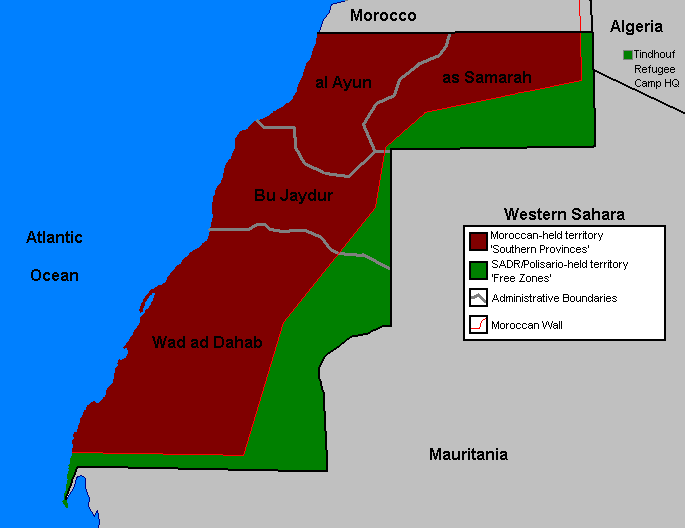
Polisario fought a prolonged war against Moroccan forces through the 1970s and 1980s. In 1991 the United Nations brokered a ceasefire and deployed a mission to monitor it and to prepare for a referendum on self-determination. That referendum has not been held; the process has been stalled for years amid disputes over voter eligibility, the political terms of any vote and competing territorial claims. The ceasefire established a de facto partition: Morocco administers and controls most of the territory west of a fortified berm, while Polisario controls sparsely populated areas to the east.
Refugees, governance and humanitarian issues
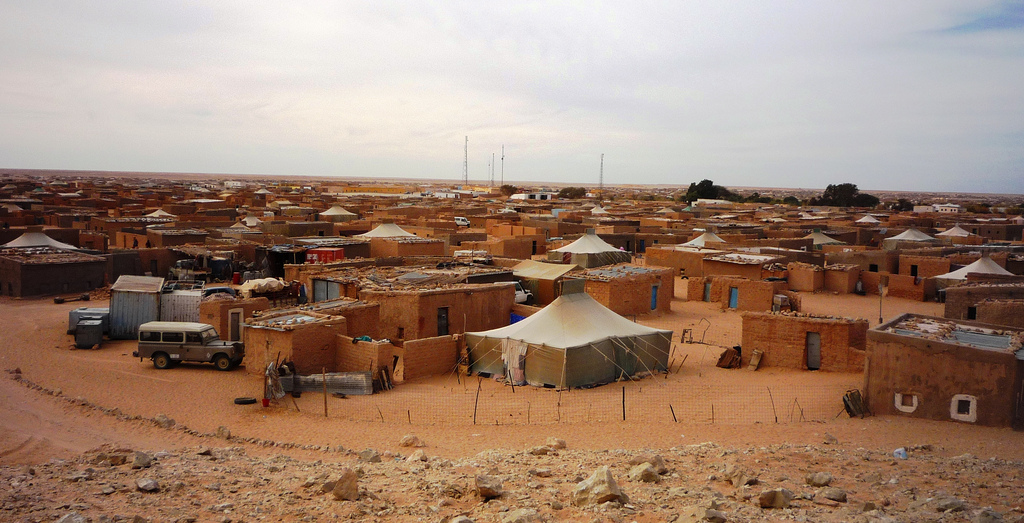
Large numbers of Sahrawis live in refugee camps near Tindouf in Algeria, where Polisario-affiliated authorities provide basic administration, education and health services in conjunction with international humanitarian agencies. The refugee question and the welfare of displaced Sahrawis are central humanitarian concerns. Human-rights organizations monitor conditions in the camps and in the wider territory, and allegations of abuses have been raised against various parties involved in the conflict.
International recognition and diplomacy
The SADR has received recognition from a number of states and was accepted into the African regional organization, but recognition is mixed and many countries favour a negotiated settlement under United Nations auspices. Polisario has pursued diplomatic recognition, legal challenges, and international advocacy to press its claim and to gain support for a referendum or negotiated independence settlement. The dispute remains a salient issue in regional diplomacy between North Africa, the African Union and states with wider interests in the region.
Current status and key issues
The situation remains unresolved. Morocco retains de facto control over the most populous and resource-rich parts of Western Sahara; Polisario retains control of territory east of the berm and continues to press for a political solution that affords Sahrawi self-determination. Core issues include the form of any final status (independence, autonomy or other arrangements), the fate of refugees and internally displaced persons, control and use of natural resources, and implementation of any agreed referendum or settlement.
Further reading and external references
- Polisario Front — Spanish-language designation
- Frente Popular para la Liberación de Saguía el Hamra
- Río de Oro historical references
- Arabic-language name and transliteration
- Western Sahara — territorial overview
- Spanish colonial history of the Sahara
- Colonial transition and decolonization context
- Mauritania's role in the conflict
- Moroccan administration and policy
- United Nations involvement and MINURSO
- Profile of notable Polisario leaders


Related articles
Author
AlegsaOnline.com Polisario Front: Sahrawi nationalist movement and political organization Leandro Alegsa
URL: https://en.alegsaonline.com/art/77739