
Police dog (K-9): roles, breeds, training, and duties
A police dog (K-9) is specially trained to assist law enforcement in patrol, detection, search and public-order tasks. Covers breeds, training, equipment, history, and notable practices.
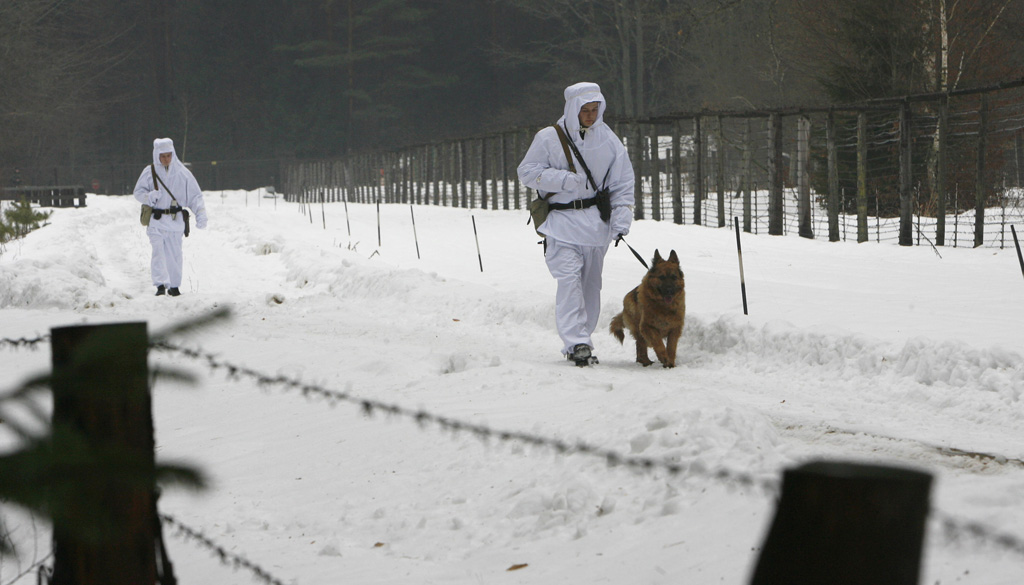
A police dog, commonly called a K-9 (pronounced "kay-nine"), is a dog trained to support police and other law enforcement agencies. These animals assist with a range of tasks that rely on their strength, speed, obedience and especially their superior senses. K-9 teams—handler and dog—work together in public safety, crime investigation and emergency response.
Image gallery
10 Images





Roles and typical duties
Police dogs perform specialized functions often grouped into several roles: patrol and apprehension (finding and detaining suspects), detection (narcotics, explosives, firearms), search and rescue (locating missing people), evidence recovery (finding discarded objects), and public-order support (crowd control). Handlers train the dog for one or more of these roles; some dogs are cross‑trained but many are selected to focus on a primary specialty.
Breeds, selection and training
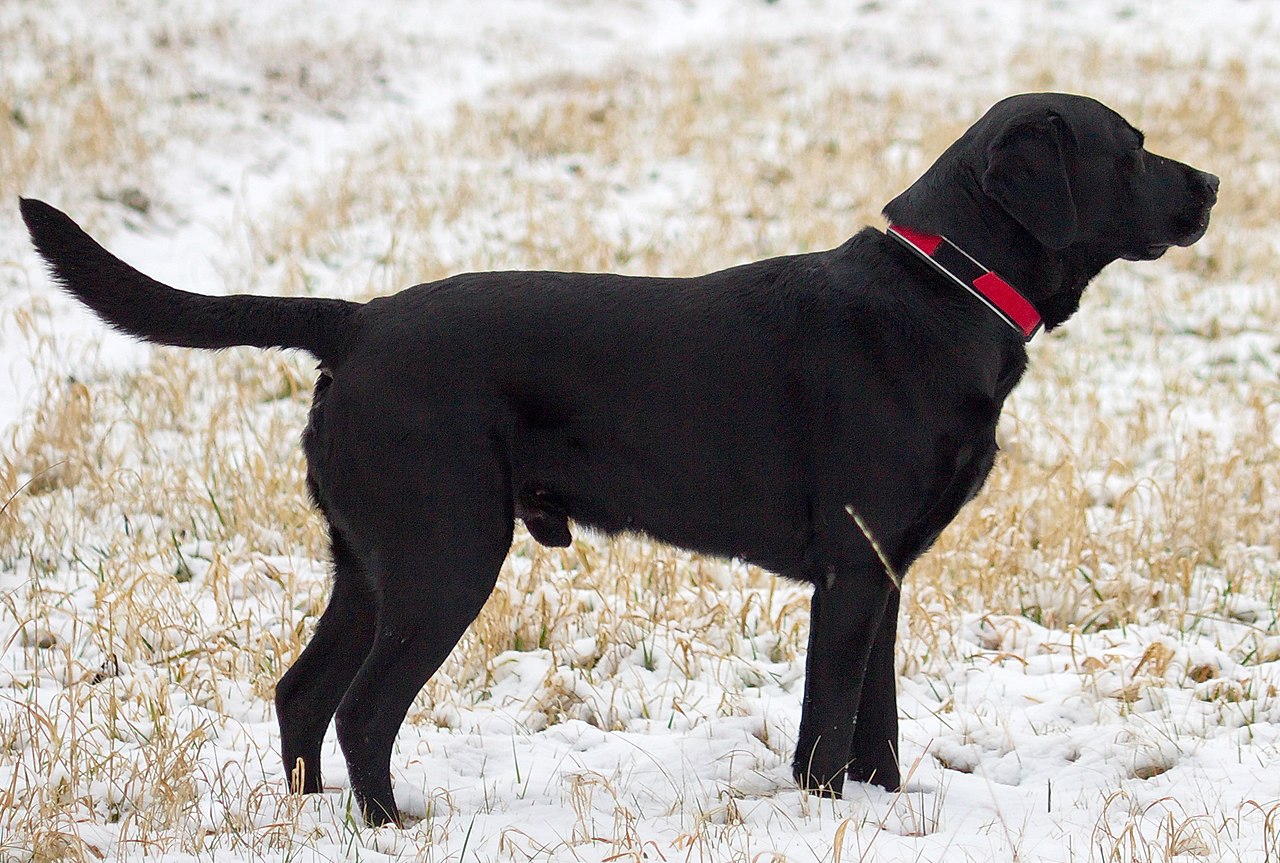
Breeds commonly seen in K-9 units include German Shepherds, Belgian Malinois, Labrador Retrievers and Dutch Shepherds, each chosen for traits such as drive, scenting ability, agility and temperament. For more on common breeds see breed information. Training combines obedience, agility, scent work and scenario exercises. Programs vary by country and agency but emphasize handler control, public safety and humane treatment.
Equipment, welfare and legal aspects
K-9s often wear protective gear such as ballistic vests and are sometimes issued identification or badges as part of their official status. Welfare and retirement planning are important: many departments provide veterinary care, pension or adoption arrangements when dogs retire. Use of force involving K-9s is regulated differently across jurisdictions; handlers are generally required to follow department policy and legal standards.
History, ceremonies and notable facts
Law enforcement use of dogs has developed over more than a century, with modern police dog programs organized during the early 20th century. When a K-9 dies on duty many departments honor the animal with ceremonies or funerals recognizing its service. Agencies and communities often maintain public information about K-9 units and local programs—see law enforcement resources and K-9 program guides for general background.
Overall, police dogs provide capabilities that complement human officers, improving search efficiency, detection accuracy and officer safety while raising practical and ethical questions about training, deployment and care.
Related articles
Author
AlegsaOnline.com Police dog (K-9): roles, breeds, training, and duties Leandro Alegsa
URL: https://en.alegsaonline.com/art/77721
Sources
- post-gazette.com : "K-9's memorial: 'It was a tough day'"
- slate.com : "So Help You, Dog"
- dec.ny.gov : "K9 Unit: Duties and Responsibilities"
- news.bbc.co.uk : "BBC NEWS - UK - Magazine - The unlikely enemy of the terrorist"
- k9centre.com : "Search and Resue Dogs"
- canadiansearchdogs.com : "canadiansearchdogs.com" · web.archive.org
- sciencedirect.com : "Cadaver dogs—A study on detection of contaminated carpet squares"
- doi.org : 10.1016/j.forsciint.2007.02.031
- pubmed.ncbi.nlm.nih.gov : 17403590
- people.howstuffworks.com : "How Dogs Work"