
German Shepherd — breed overview, history, characteristics and uses
Comprehensive guide to the German Shepherd: origins, appearance, temperament, common uses, health concerns, working vs show lines, and practical care for owners and handlers.
Overview
The German Shepherd is a medium-large, active working dog originally bred in Germany for herding and guarding livestock. Valued for intelligence, trainability and versatility, the breed performs many roles today: police and military work, search and rescue, guide and assistance services, protection, sport and family companionship. The name appears in several forms internationally; in the United Kingdom the dog was widely called the "Alsatian" in the 20th century.
Image gallery
10 Images



Appearance and key characteristics
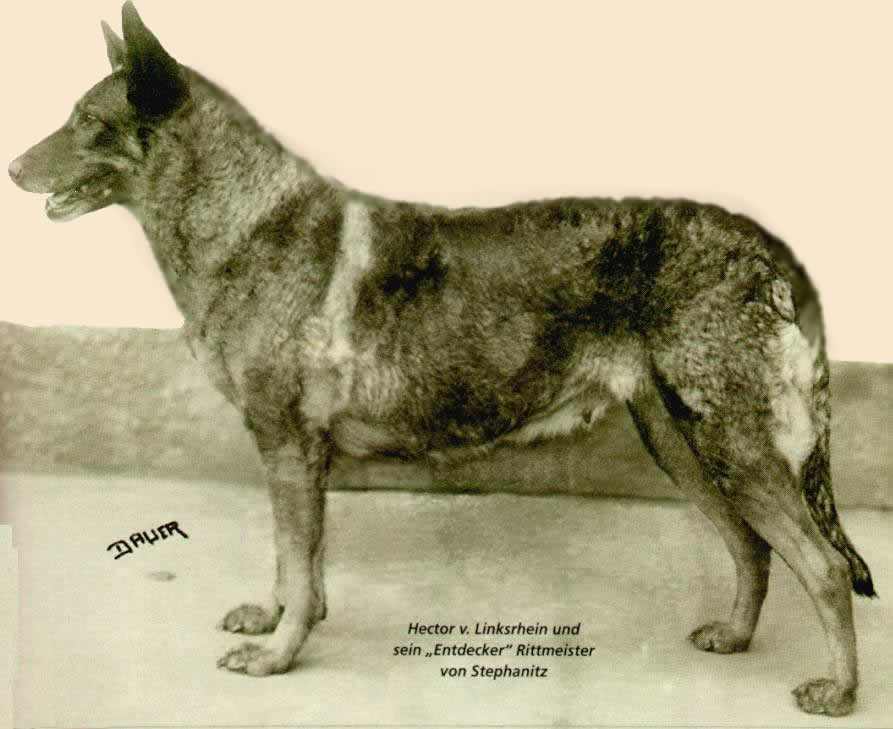
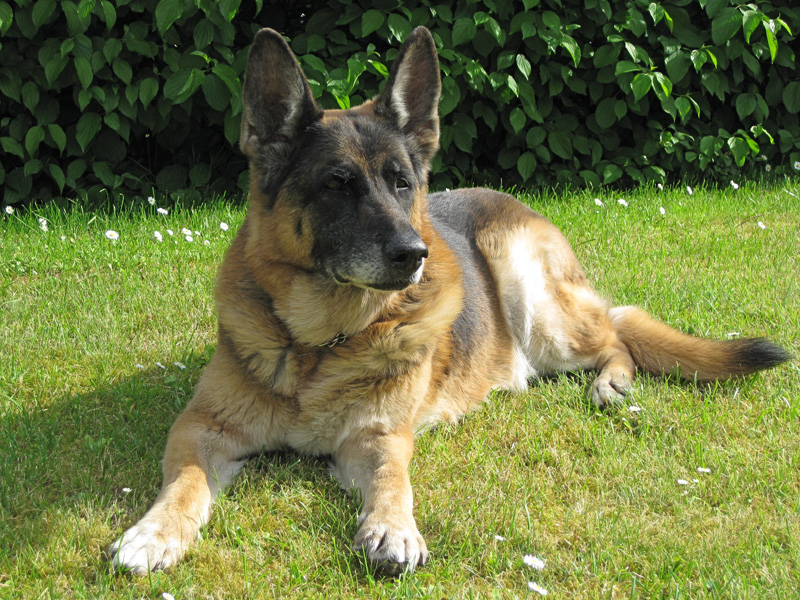
German Shepherds typically have a strong, well-muscled body, erect ears and a bushy tail. Their coat is double-layered—dense undercoat with a harsher outer coat—and comes in several colors and patterns, including tan and black, sable and solid black. Size varies between working and show lines, but males commonly weigh in the upper range of medium-large breeds and females are slightly smaller. The breed is known for a confident, alert posture and coordinated movement that reflect its herding origins.
Temperament and working traits
Trainability, loyalty and a high work drive are hallmark traits. German Shepherds are typically eager to learn, responsive to handlers and capable of following complex commands. They display protective instincts and strong bonds with families, which makes early socialization and consistent training important to avoid overprotectiveness. Their stamina and focus make them excellent candidates for demanding roles such as police work, detection, search and rescue and assistance tasks.
History and development
The modern breed was shaped in Germany in the late 19th and early 20th centuries by breeders who sought a uniform, capable herding dog. A key figure in formalizing standards and promotion of the breed was an early breeder and organizer who helped establish a breed society that set type and working expectations. During the 20th century the German Shepherd developed an international reputation for workability. In Britain the name "Alsatian" became common during wartime; the alternate name persisted in some places for decades.
Common uses and examples
- Herding: Traditional role managing flocks and responding to handlers.
- Public service: Police, customs and military roles, including tracking and apprehension.
- Search and rescue & detection: Locating missing people, disaster victims and narcotics or explosives.
- Assistance: Guide dogs and support animals for people with disabilities.
- Companion and sport: Obedience, agility, schutzhund/IGP and family pet.
For further reading on working roles and training methods see authoritative resources: breed profile, police work overview, search and rescue.
Health, care and lifespan
Like many medium-large breeds, German Shepherds are prone to certain inherited conditions such as hip and elbow dysplasia and neurological disorders that affect mobility. Responsible breeders use health screening to reduce risks. Average lifespan is commonly reported in the range of about nine to thirteen years, with variation tied to genetics, diet and activity. Daily exercise, mental stimulation and regular veterinary care are essential to maintain well-being. Grooming needs are moderate to high because of seasonal shedding.
Variations, lines and breeding considerations
Breeders often distinguish between working (utility) lines and show/conformation lines: working lines emphasize drive, endurance and temperament for demanding tasks; show lines may emphasize angulation, coat and appearance that conform to kennel-club standards. Color variants include sable, black-and-tan, bi-color and all-black. Potential owners should research breeders who prioritize health testing and temperament evaluation. Useful sources for breed standards and registries include national kennel clubs and specialized breed organizations: origin and standards, club resources, rescue and rehoming.
Notable facts and cultural context
The breed has featured in film, literature and public life and has been a preferred choice for handlers who require a versatile working partner. Its association with military and political figures at various historical moments led to both popularity and controversy; the alternate name "Alsatian" is a reminder of wartime sensitivities and renaming in some countries. Organizations that test and certify working dogs maintain detailed protocols for temperament and capability assessment; for specifics see testing standards and certification bodies.
Choosing and living with a German Shepherd
Potential owners should consider the breed's need for firm, consistent training, substantial daily exercise and meaningful tasks to prevent boredom. Socialization from puppyhood helps produce a balanced adult companion. For guidance on training approaches, health screening, and matching a dog's background to household needs consult experienced breeders, veterinarians and handlers: training resources, health screening info, handling and care, adoption advice.
Whether kept as an active working partner or a devoted family dog, the German Shepherd remains one of the most widely recognized and widely used multipurpose breeds in the world, prized for its combination of intelligence, athleticism and loyalty.
Questions and answers
Q: What is the German Shepherd also known as?
A: The German Shepherd is also known as the Alsatian.
Q: What are some of the uses for this breed of dog?
A: Some of the uses for this breed of dog include police work, herding, guarding, military service, aiding those with visual impairments, search and rescue missions, and as pets.
Q: How much do male German Shepherds usually weigh?
A: Male German Shepherds usually weigh around 30–40 kilograms (66–88 lb).
Q: Why was the term "Alsatian Wolf Dog" used instead of "German Shepherd Dog"?
A: The term Alsatian Wolf Dog was used instead of German Shepherd Dog during World War I because Britain was at war with Germany.
Q: Who developed the current version of the German Shepherd breed?
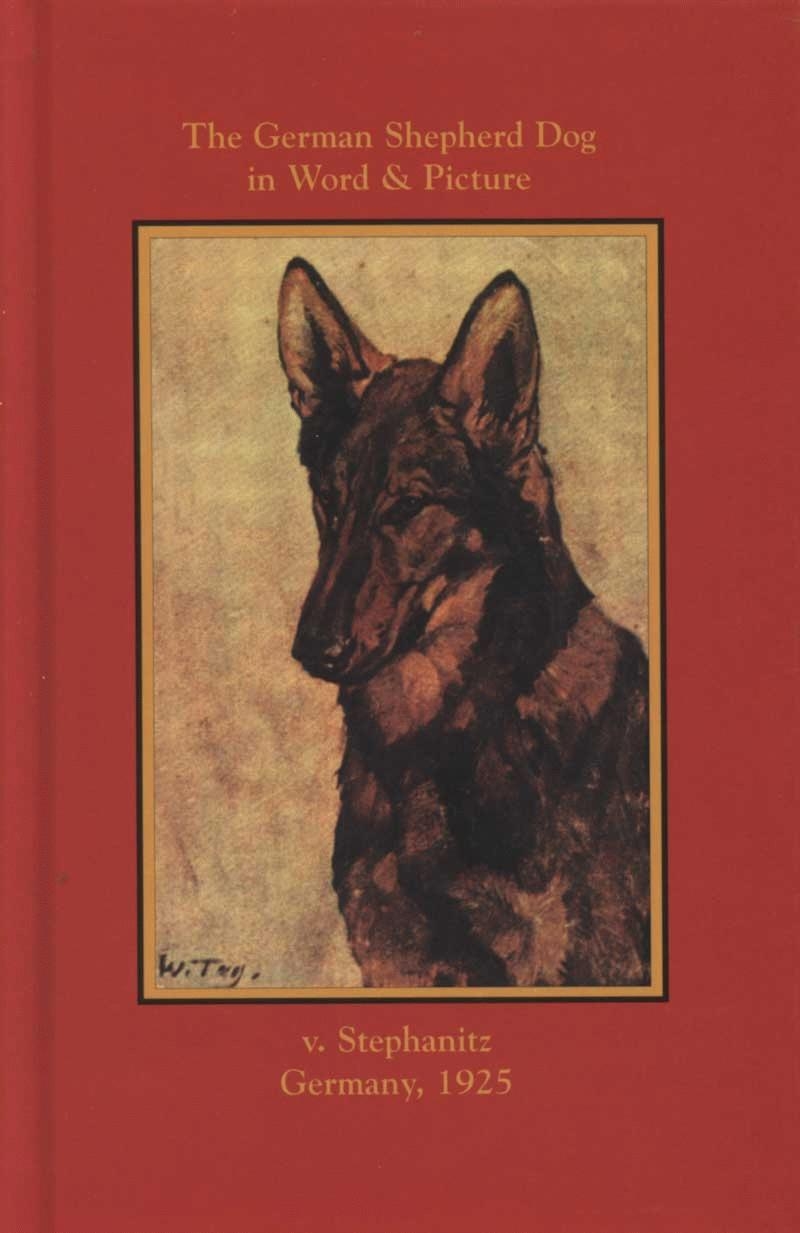
A: The current version of the German Shepherd breed was developed by Max Emil Friedrich von Stephanitz at the end of 19th century and beginning 20th century.
Q: Are they a versatile breed in terms adaptability and suitability?
A: Yes, due to their intelligence, speed, drive, eagerness and balance they are considered a multi-terrain and most complete dog breed in terms adaptability and suitability.
Q: Was Adolf Hitler known to have any companions that were German Shepherds?
A: Yes , Adolf Hitler was known to have had several companions that were German Shepherds.
Related articles
Author
AlegsaOnline.com German Shepherd — breed overview, history, characteristics and uses Leandro Alegsa
URL: https://en.alegsaonline.com/art/38468
Sources
- germanshepherddog.com : "USA German Shepherd Dog Standard"
- commons.wikimedia.org : German Shepherd Dog