
Platypterygius: a Cretaceous ichthyosaur genus
Platypterygius, a genus of ichthyosaur in the family Ophthalmosauridae, is known for flattened flippers, broad Cretaceous distribution and controversial taxonomy; it was among the last ichthyosaurs.
Overview
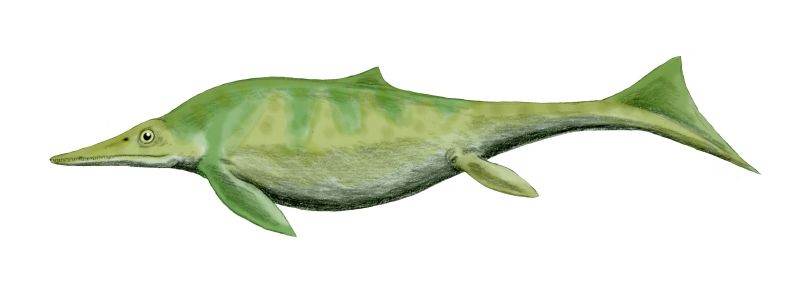
Platypterygius (literally "flat flipper") is a genus of marine reptile classified among the ichthyosaurs. These dolphin‑shaped predators belong to the family Ophthalmosauridae and are often discussed as one of the last surviving lineages of Mesozoic ichthyosaurs. As a member of the larger group of ichthyosaur reptiles, Platypterygius combined a fishlike body with adaptations for fast, sustained swimming.
Image gallery
10 Images






Characteristics and anatomy
Fossil material attributed to Platypterygius shows several recurring features: a long, toothed snout; large orbits suggesting well‑developed vision; and broadened, flattened flippers that inspired the genus name. Like other derived ichthyosaurs, it had a streamlined trunk, a powerful caudal region ending in a downward‑bent tail vertebral column interpreted as supporting a lunate tail fluke, and reduced limb elements adapted into paddles.
- Skull and teeth: conical teeth suited to grasping fish and cephalopods.
- Eyes: relatively large, implying good low‑light vision or deep‑water hunting.
- Paddles: expanded distal elements producing a broad flipper.
Fossil record and history
Platypterygius is known from Cretaceous marine deposits and has been reported from multiple continents, reflecting a wide geographic range. The genus persisted into the mid‑Cretaceous, a time when most other ichthyosaur lineages had declined. Because many fragmentary remains from different regions were historically assigned to this genus, its definition has been revised repeatedly and some species may not belong in Platypterygius as originally conceived.
Ecology and importance
As an active marine predator, Platypterygius likely fed on fish and squid‑like prey and played a role similar to that of modern odontocete mammals. Its physiology and life history are inferred from better‑preserved ichthyosaurs: streamlined locomotion, probable live birth, and advanced sensory abilities. Studying Platypterygius helps paleontologists understand the final stages of ichthyosaur evolution and the ecological shifts in Cretaceous seas.
Taxonomy and notable facts
Taxonomic work continues: some researchers consider Platypterygius a "wastebasket" genus because diverse specimens were historically lumped together. Ongoing revisions aim to separate distinct species and clarify relationships within Ophthalmosauridae. Notable traits such as the flattened flippers and robust teeth remain useful for identifying candidate fossils, but careful comparison with related genera is necessary.
Related articles
Author
AlegsaOnline.com Platypterygius: a Cretaceous ichthyosaur genus Leandro Alegsa
URL: https://en.alegsaonline.com/art/77374