
Plover: Small Shorebirds of the Subfamily Charadriinae
Plovers are a widespread group of small to medium shorebirds (Charadriinae) known for short bills, run-and-pause feeding, ground-nesting behaviour and distraction displays; about 40 species occur worldwide.
Overview
Plovers are a group of small to medium-sized wading birds in the subfamily Charadriinae. There are roughly forty recognized species, many called 'plover' or 'dotterel', found on every continent except Antarctica. Closely related birds with crests and different habits are placed in the lapwing subfamily (Vanellinae), which includes another two dozen or so species. Plovers are familiar inhabitants of shorelines, mudflats, wetlands, tundra and open grasslands where they search for invertebrate prey.
Image gallery
6 Images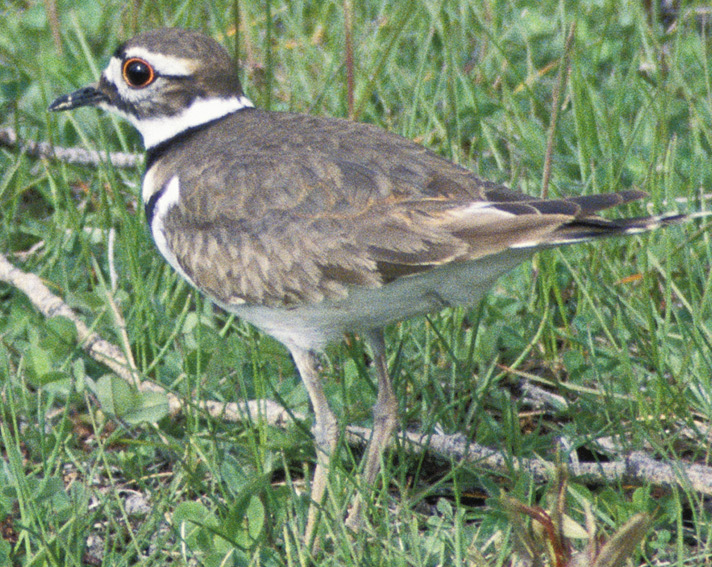


Physical characteristics and behaviour
Plovers typically have compact bodies, relatively short bills and long legs. Their plumage is often cryptically coloured—browns, greys and white—helping adults and eggs blend into sandy or pebbly ground. Unlike longer‑billed waders that probe by touch, plovers are visual hunters: they commonly use a characteristic "run‑and‑pause" technique, darting forward to seize insects, worms, crustaceans and other small invertebrates spotted on or just under the surface.
Breeding, nest defence and life cycle
Most plovers nest on the ground, laying a small clutch of camouflaged eggs in a shallow scrape. To protect nests and young, adults rely on camouflage, distraction displays and mobbing. One well‑documented behaviour is false brooding (sometimes called fake brooding), where an adult sits at an imaginary nest site and moves position as if incubating eggs; this can mislead predators about the true nest location. Other distraction tactics include feigning injury or leading predators away from chicks. There are occasional reports and anecdotal claims about defensive secretions or irritating oral compounds in some species, but such claims are not universally documented and deserve cautious interpretation.
Feeding ecology and habitat
Plovers exploit a wide range of habitats. Coastal species frequent tidal flats and sandy beaches, probing and pecking for exposed prey at low tide, while inland species occupy saline lakeshores, riverbanks, cultivated fields and grasslands. Their diet is mainly composed of insects, marine and terrestrial worms, molluscs and small crustaceans. Because they feed by sight, plovers are often most active in daylight and in open areas where prey is visible.
Conservation and human interactions
Many plover species are abundant and adaptable, but some are vulnerable to habitat loss, disturbance, predation by introduced mammals, and human recreational activities on beaches. Conservation efforts range from protecting nesting beaches and restricting access during breeding seasons to predator control and habitat restoration. Plovers also figure in cultural and natural histories as visible indicators of coastal and wetland health.
Notable species and distinguishing facts
- Common or widespread examples include the Ringed Plover (Charadrius hiaticula), the Killdeer (Charadrius vociferus) of North America, and the American Golden‑Plover (Pluvialis dominica).
- Mountain and Eurasian dotterel species occupy more specialized inland or upland habitats.
- The group contrasts with lapwings (Vanellinae) in build and behaviour; lapwings often have prominent crests and different nesting displays.
- For general information about distribution and identification, see a dedicated plover overview. For more on predator‑avoidance behaviours such as false brooding, see resources on nest defence and distraction displays.
Questions and answers
Q: How many species of plovers are there?
A: There are about 40 species of plovers.
Q: What is the subfamily name that lapwings belong to?
A: Lapwings belong to the subfamily Vanellinae, which is closely related to the plover subfamily Charadriinae.
Q: How do plovers hunt for food?
A: Plovers hunt by sight, not feel, and use a run-and-pause technique to catch insects, worms, or other invertebrates.
Q: What is the false brooding technique used by plovers?
A: Plovers use false brooding by sitting on an imaginary nest site, changing position as if real eggs were under them, to defend against predators.
Q: What happens when the plover's acidic compound comes into contact with skin?
A: The acidic compound secreted by the plover from a gland in their mouth causes a burning sensation when it comes into contact with skin.
Q: Where are plovers found?
A: Plovers are found throughout the world.
Q: Do plovers have short or long bills?
A: Plovers have short bills.
Related articles
Author
AlegsaOnline.com Plover: Small Shorebirds of the Subfamily Charadriinae Leandro Alegsa
URL: https://en.alegsaonline.com/art/77492