
Pliosaur (short-necked marine plesiosaurs)
Pliosaurs were large, short-necked marine plesiosaurs of the Mesozoic, adapted as powerful underwater predators. This article covers their anatomy, ecology, discovery, classification, and notable genera.
Overview
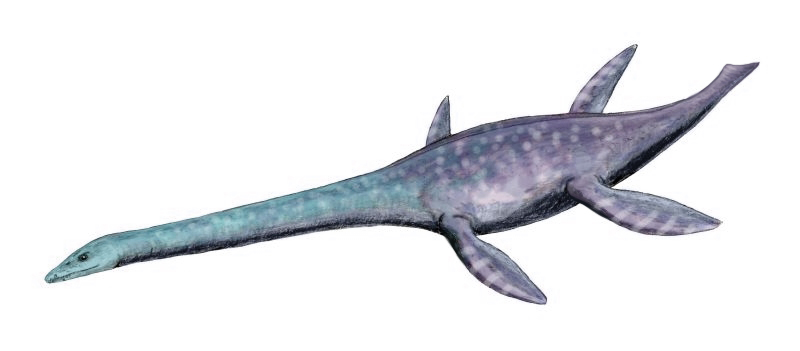
Pliosaurs were a group of marine reptiles within the broader order of plesiosaurs that lived during the Mesozoic era. Unlike the long-necked plesiosauroids, pliosaurs had relatively short, robust necks and proportionally large skulls. Fossils show they ranged from modest sizes to very large predators, and their body plan is interpreted as adapted for active underwater pursuit of sizable prey.
Image gallery
10 Images


Anatomy and adaptations
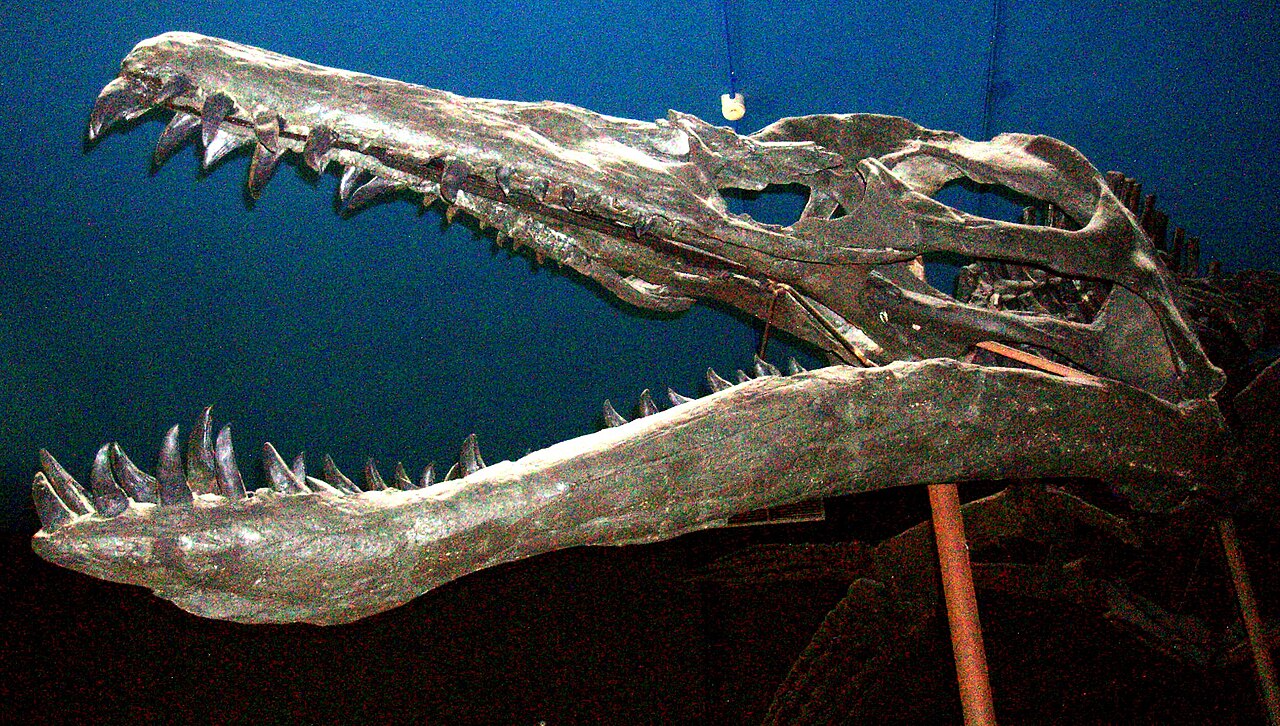
Pliosaurs combined a compact, hydrodynamic body with powerful jaws and large teeth. They retained the classic plesiosaur four-flipper limb arrangement, using broad flippers to generate thrust and maneuver. Key features included a stout neck that supported a heavy head, short tails, and strong, often cone-shaped teeth suited to grasping and crushing. These physical traits indicate a lifestyle centered on capturing large fish, cephalopods and other marine reptiles.
Locomotion and feeding
Their streamlined torso and large flippers suggest pliosaurs were efficient swimmers capable of short bursts of speed and agile turns while hunting underwater. Unlike the long-necked plesiosaurs that may have fed by striking with an elevated neck near the surface, pliosaurs are widely interpreted as deep-water or active pursuit predators that captured prey with powerful bites. Modern comparisons sometimes point to functional similarities with marine mammals and some large sharks, though pliosaurs were reptiles with distinct anatomy.
Fossil discovery and historical study
Important early pliosaur material was discovered on what is now called the Jurassic Coast of southern England. The first well-known specimen was reported in the early 19th century by the fossil collector Mary Anning at Lyme Regis. Her finds attracted scientific attention and helped establish the study of extinct marine reptiles. Many historic specimens are held in museum collections and continue to inform research into pliosaur anatomy, growth and diversity.
Classification and notable genera
Pliosaurs are traditionally contrasted with long-necked plesiosaurs, and paleontologists have used differences in skull and neck proportions to define groups. Well-known genera that are commonly referred to as pliosaurs include Pliosaurus, Liopleurodon and Kronosaurus, among others. Each genus varies in size, tooth form and geographic distribution, reflecting a range of ecological roles. For more taxonomic and specimen information see plesiosaur resources and museum catalogues such as the collections at natural history institutions.
Importance, research and misconceptions
Pliosaurs are important for understanding Mesozoic marine food webs and the evolution of large marine predators. Ongoing studies use better-preserved skeletons, biomechanical modelling and comparisons with other fossil reptiles to refine knowledge of their speed, bite force and life history. Popular media sometimes exaggerates their size or behaviour; critical study of fossils and context is necessary to separate dramatic reconstruction from evidence. For accessible summaries and updated findings consult reviews and museum pages like academic summaries, field guides at regional fossil sites, and specialist publications available through scientific outlets (journals, historic accounts).
Key collections and localities remain central to pliosaur research. Examples include specimens from the English coast near the Jurassic Coast and Lyme Regis, and displays in major museums such as the Natural History Museum in London, where early finds helped shape paleontology. Fieldwork, comparative anatomy and modern imaging continue to advance our understanding; additional resources and databases can be consulted through museum portals and specialist pages (collections, research groups, educational links).
Questions and answers
Q: What are Pliosaurs?
A: Pliosaurs were a group of large submarine plesiosaur reptiles from the Mesozoic era.
Q: How did Pliosaurs differ from other plesiosaurs?
A: Pliosaurs had short necks and large heads, which was in contrast to other plesiosaurs.
Q: What did Pliosaurs eat?
A: Pliosaurs were predators of large fish and other reptiles.
Q: How large were Pliosaurs?
A: Pliosaurs could range in sizes from two to 15 metres.
Q: Who discovered the first Pliosaur specimen?
A: Mary Anning discovered the first Pliosaur specimen on the 'Jurassic Coast' of Lyme Regis, England in the 1820s.
Q: How many groups did D.M.S. Watson suggest plesiosaurs could be divided into?
A: D.M.S. Watson suggested that plesiosaurs could be divided into two groups.
Q: What were the two groups of plesiosaurs that D.M.S. Watson suggested?
A: D.M.S. Watson suggested that the pliosaurs were large predators which ate large prey in deep water, and the other plesiosaurs were long-necked with smaller heads and mostly ate with their head above water.
Related articles
Author
AlegsaOnline.com Pliosaur (short-necked marine plesiosaurs) Leandro Alegsa
URL: https://en.alegsaonline.com/art/77472