
Alfred Nobel: inventor, industrialist, and founder of the Nobel Prizes
Swedish chemist and industrialist Alfred Nobel (1833–1896) invented dynamite, built an explosives industry and left a bequest establishing the international Nobel Prizes and a lasting scientific legacy.

Overview
Alfred Bernhard Nobel (21 October 1833 – 10 December 1896) was a Swedish entrepreneur whose work blended chemistry, engineering and large-scale manufacturing. He is best known for developing stable high explosives and for endowing the Nobel Prizes, awards that remain among the world's most prestigious honors. His career combined technical invention, international business and an unusual late-life turn toward philanthropy.
Image gallery
8 Images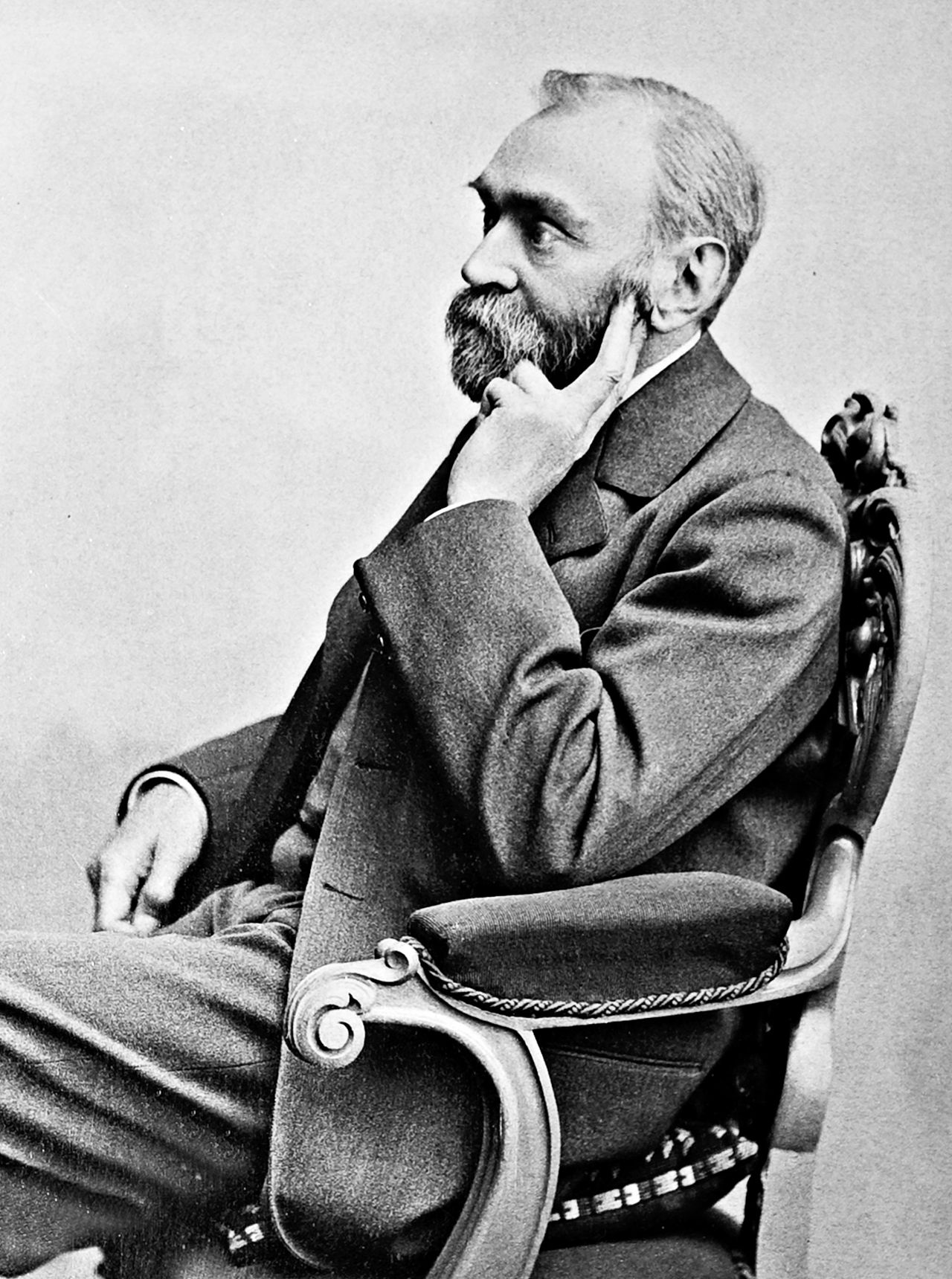

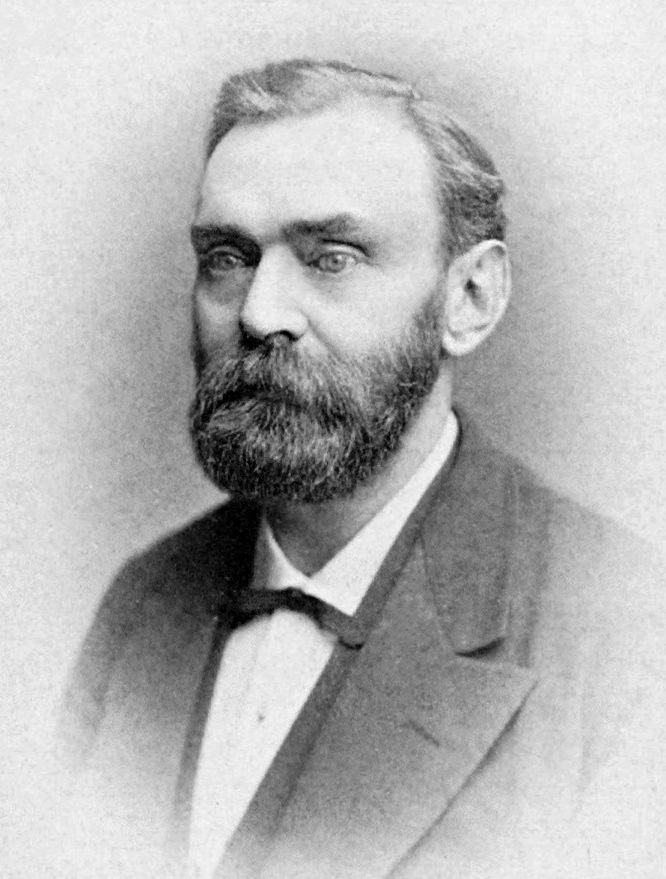
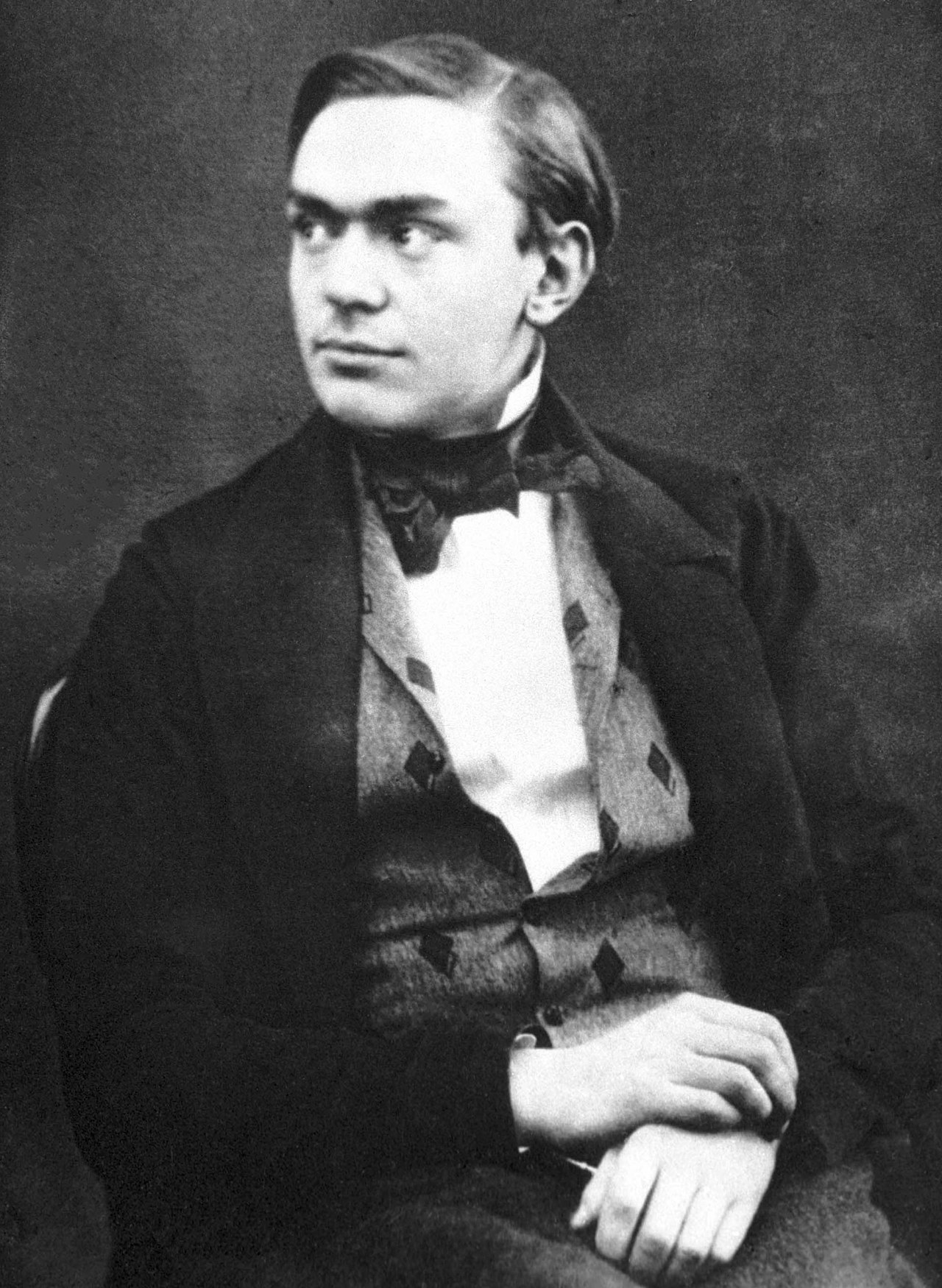


Life and career
Nobel trained and worked in several European countries and maintained laboratories and factories across the continent. He held numerous patents and led companies that produced explosives for mining, construction and military applications. Nobel's upbringing, education and international contacts shaped both his scientific outlook and his ability to translate laboratory results into industrial products. Contemporary accounts note his private nature and intense focus on experiment and design.
Inventions and business
Nobel's most famous technical achievement was the invention of a form of nitroglycerin-based explosive that could be handled more safely than previous formulations. He patented and commercialized this technology as dynamite, and developed related detonators, blasting gelatin and propellants. Nobel combined laboratory research with factory operations, creating an industrial network that supplied explosives for mining, civil engineering and military uses. While his work enabled major advances in construction and resource extraction, it also linked his name to weapons and battlefield destruction.
Nobel Prize and testament
Late in life Nobel resolved to direct his fortune toward a set of annual awards. In a will he left instructions and funding for prizes in physics, chemistry, physiology or medicine, literature and peace. Accounts suggest the decision was prompted in part by public criticism—an erroneous obituary had labeled him a "merchant of death"—and by his desire to bequeath a different legacy. Nobel allocated much of his estate to the establishment of prizes administered by a foundation; the endowment was funded by assets often summarized as 31 million kronor. His will and its execution created what is now called the Nobel Foundation.
Legacy and distinctions
Beyond the prizes, Nobel's name appears in scientific nomenclature and public memory. The synthetic element Nobelium was named in his honor. The prizes he established have recognized discoveries, literary achievements and efforts for peace that shaped the 20th and 21st centuries. Historical assessments emphasize the dual nature of his legacy: contributions to industrial progress and the ethical questions raised by technologies that can be used for both constructive and destructive ends.
Notable facts and resources
- He is frequently described as an inventor and a practical scientist who translated chemistry into industry.
- Nobel organized and financed manufacturing facilities as an engineer-manager with international reach.
- The story of his decision to fund prizes is tied to a critical press piece in a newspaper from France (French) that reportedly influenced his thinking.
- His final wishes were recorded in a will that set up the Nobel Prize system and its administration.
- The background context of his bequest reflects the monetary and institutional frameworks of the Swedish currency and national economy at the time.
For readers seeking an introduction, this article outlines Nobel's main achievements and the complex heritage he left behind: a mix of technical innovation, industrial success and an enduring philanthropic institution represented by the Nobel Prizes. Further details on specific inventions, factories and the legal execution of his will can be found via specialized biographies and archival materials linked below: Nobel Prize information and additional reference entries at national biographies and archival sites (dynamite history, element naming).

Museums
- Nobel Museum (Swedish: Nobelmuseet) in StockholmThe
Swedish Nobel Museum is dedicated to the Nobel Prize and Nobel Prize winners from 1901 to the present and the life of Alfred Nobel. The museum is located in the former building of the Stockholm Stock Exchange in the old town of Stockholm (Stortorget square). The Swedish Academy and the Nobel Library of the Swedish Academy are also located in the same building. - Nobel Museum Björkborn (Swedish: Nobelmuseet i Karlskoga) in KarlskogaAlfred
Nobel spent the last three and a half years of his life at "Björkborns herrgård" near Karlskoga. In addition to the almost completely original house furnishings, there is Nobel's laboratory and an exhibition of products from the armaments company Bofors. The fact that he had horses and domestic servants in Björkborn - ergo his main residence - played the decisive role in the inheritance dispute, as his relatives sued in a French court (near Paris Nobel owned a house he had lived in much longer than the one in Karlskoga) against the transfer of his fortune to a foundation. It is thanks to Nobel's collaborator Ragnar Solman that the foundation could be realized at all, as Nobel had intended. Part of the exhibition is dedicated to Ragnar Solman. - Nobel Peace Centre (Norwegian: Nobels Fredssenter) in OsloThe
Nobel Peace Centre provides information about the Nobel Peace Prize, the laureates and their work, as well as about current conflict hotspots in the world and the commitment to peace. The foundation was established by the Norwegian Parliament in 2000 on the occasion of the celebrations of Norway's 100 years of international sovereignty and opened on 11 June 2005. - Villa Nobel in SanremoThe
Villa Nobel was the last residence and the place of death of Alfred Nobel. The villa houses a museum dedicated to the life and work of Alfred Nobel and the scientific environment of the 19th century. A large space is also devoted to the Nobel Prizes, with special emphasis on the Italian Nobel Laureates.


Movies
- Dynamite, the Story of Alfred Nobel, English feature film by Alfred Cleary with Wesley Addy as Nobel and Osa Massen as Bertha von Suttner, 1954
- Heart of the World, German feature film with Mathias Wieman as Alfred Nobel and Hilde Krahl as Bertha von Suttner, 1952
- Alfred Nobel - The Wages of Terror. Docu-drama, 45 min., Production: ZDF, First broadcast: October 15, 2006
- A Love for Peace - Bertha von Suttner and Alfred Nobel Biopic, Production: ORF, First broadcast: 2014

Tags
Related articles
Author
AlegsaOnline.com Alfred Nobel: inventor, industrialist, and founder of the Nobel Prizes Leandro Alegsa
URL: https://en.alegsaonline.com/art/2497
Sources
- nobelprize.org : "Alfred Nobel's Life and Work – for Gradeschoolers"