
Piperales: the botanical order containing pepper, kava, and related plants
Piperales is an order of flowering plants in the magnoliid group that includes Piperaceae, Aristolochiaceae, Saururaceae and other related families; notable members are black pepper and kava.
Piperales is a botanical order of flowering plants traditionally recognized for several aromatic and morphologically distinctive families. Modern classifications place the order among the magnoliids, a lineage separate from the monocots and eudicots. The name necessarily includes the family Piperaceae, but the circumscription of the order has varied as botanists combined classical morphology with molecular evidence.
Image gallery
2 Images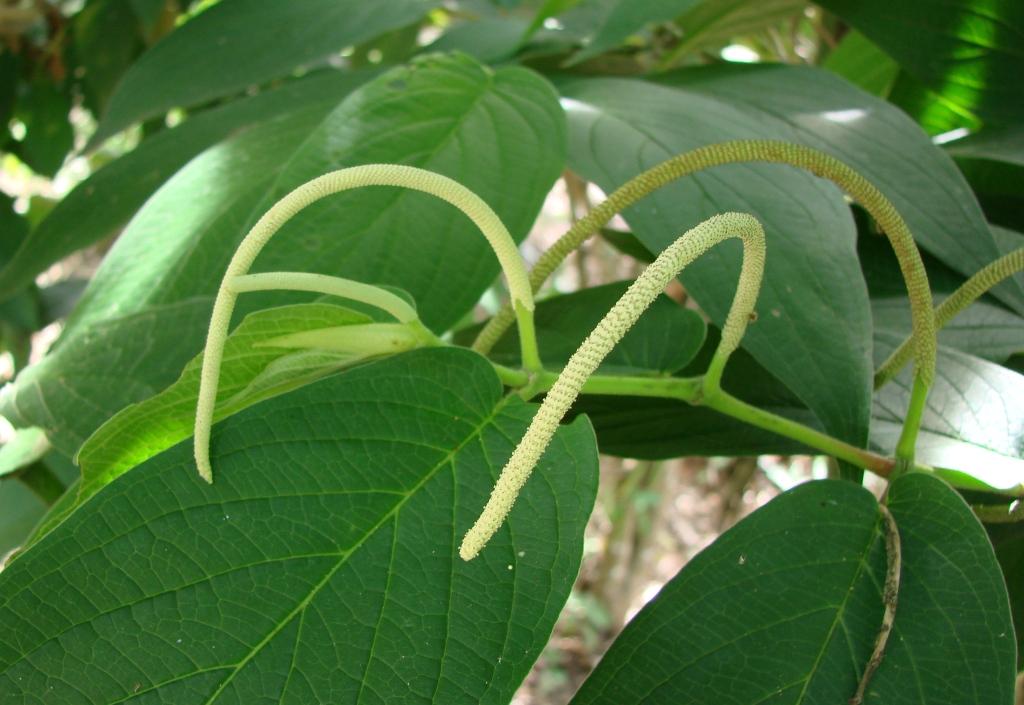
General characteristics
Members of Piperales show a range of growth forms, from perennial herbs and low shrubs to climbing vines. Leaves are typically simple and often bear characteristic scents or essential oils. Flowers tend to be small and may occur in dense spikes or in unusual tubular or pipe-like shapes. Fruit types vary across the order, and many species rely on insects or birds for pollination and seed dispersal.
Taxonomy and historical development
Historically, different systems included various families in Piperales. Over recent decades, molecular phylogenetic studies clarified relationships and supported grouping Piperales within the magnoliid clade. Current treatments commonly include families such as Piperaceae, Aristolochiaceae and Saururaceae, while some older circumscriptions added other small groups. These rearrangements reflect shifting understanding of evolutionary relationships rather than changes in the plants themselves.
Notable families and species
- Piperaceae — the pepper family, containing genera like Piper (for example black pepper) and Piper methysticum (kava), valued for spices and traditional beverages.
- Aristolochiaceae — birthworts and pipevines, often with distinctive tubular flowers; some taxa are known as wild ginger in horticulture.
- Saururaceae — includes lizard's tail and other wetland herbs with spike-like inflorescences.
Uses and significance
Species in Piperales have important culinary, cultural and medicinal roles. Black pepper is a globally traded spice; kava is used in Pacific Island traditional ceremonies and as a relaxant; other members provide ornamental value or have been used in folk medicine. Ecologically, several species are important in forest understories and wetland ecosystems.
Distinctions and safety notes
Caution is warranted with some members: certain Aristolochiaceae species produce aristolochic acids, compounds that have been linked to kidney damage and cancer and have led to restrictions on some traditional remedies. Taxonomic distinctions within Piperales continue to be refined as genetic data accumulate, but the order remains a coherent group recognized for its ecological diversity and economic importance. For broader context on flowering plants and classification see flowering plants.
Related articles
Author
AlegsaOnline.com Piperales: the botanical order containing pepper, kava, and related plants Leandro Alegsa
URL: https://en.alegsaonline.com/art/77051