
Polikarpov Po-2 — Soviet two-seat biplane
Two-seat, fabric-covered Soviet biplane by Nikolai Polikarpov; used as trainer, liaison, crop duster and low-speed night bomber in WWII, notably by the all‑female 'Night Witches'.
Overview
The Polikarpov Po-2 was a simple, rugged Soviet two-seat biplane designed by Nikolai Polikarpov. Known to NATO as the "Mule," it served in many roles from basic pilot training to frontline night harassment missions. Its wood-and-fabric construction, easy handling and low stall speed made it suitable for operation from improvised fields and for crews with limited maintenance support. For further reference see Polikarpov Po-2.
Image gallery
8 Images


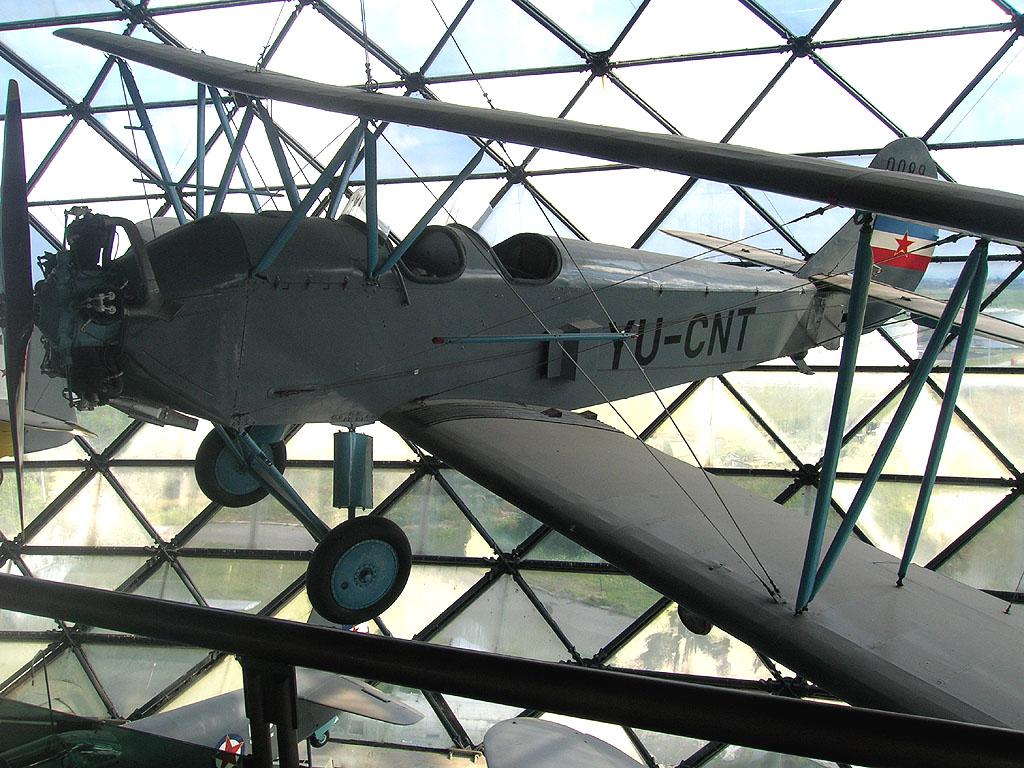

Design and characteristics
The Po-2 followed classic biplane layout principles of the interwar period. It typically had two open cockpits in tandem, fixed landing gear and a small radial engine. The structure emphasized simple, low-cost materials and ease of repair rather than high performance.
- Construction: wood frame with fabric covering.
- Powerplant: small air-cooled radial engine (simple and reliable).
- Flight traits: low speed, good low-altitude handling, short takeoff and landing capability.
History and development
Introduced in the late 1920s and produced in large numbers, the Po-2 evolved from earlier Polikarpov trainers. Its uncomplicated design meant it could be built and maintained in large quantities, and variants appeared for training, communication, crop dusting and light attack. Production continued for many years and the type remained in widespread use long after its introduction.
Operational use and roles
During the Second World War the Po-2 proved adaptable. It was used for primary pilot instruction, reconnaissance, liaison, artillery spotting and medical evacuation. One of its most famous roles was as a night harassment bomber flown by Soviet all‑female units; their tactics exploited the Po-2's slow speed and silence at low power to interrupt enemy positions.
Postwar service and legacy
After the war many Po-2s found peacetime roles as agricultural aircraft and utility transports. In Eastern Europe and elsewhere they became synonymous with crop dusting and local air work, earning folk names related to agriculture. The Po-2's longevity and versatility illustrate how simple, robust design can deliver enduring usefulness across military and civilian contexts.
Notable facts
- Often praised for its simplicity and survivability in austere conditions.
- Associated with the Soviet "Night Witches" night-bombing crews.
- Remains a widely recognized example of a multi-role biplane that bridged wartime and peacetime applications.
Related articles
Author
AlegsaOnline.com Polikarpov Po-2 — Soviet two-seat biplane Leandro Alegsa
URL: https://en.alegsaonline.com/art/77734