
Plaxton Beaver minibus
Overview and history of the Plaxton Beaver series of step‑entrance minibus bodies, their chassis, development into Beaver 2 and Beaver 3, typical uses and distinguishing features.
Overview
The Plaxton Beaver is a family of step‑entrance minibus bodies produced from the late 1980s onwards. Originally marketed as the Reeve Burgess Beaver, the design became widely used on cutaway van and light commercial chassis in the United Kingdom and elsewhere. The Beaver was aimed at operators needing compact, robust vehicles for short‑distance passenger services, school runs and community transport.
Image gallery
7 Images



Design and construction
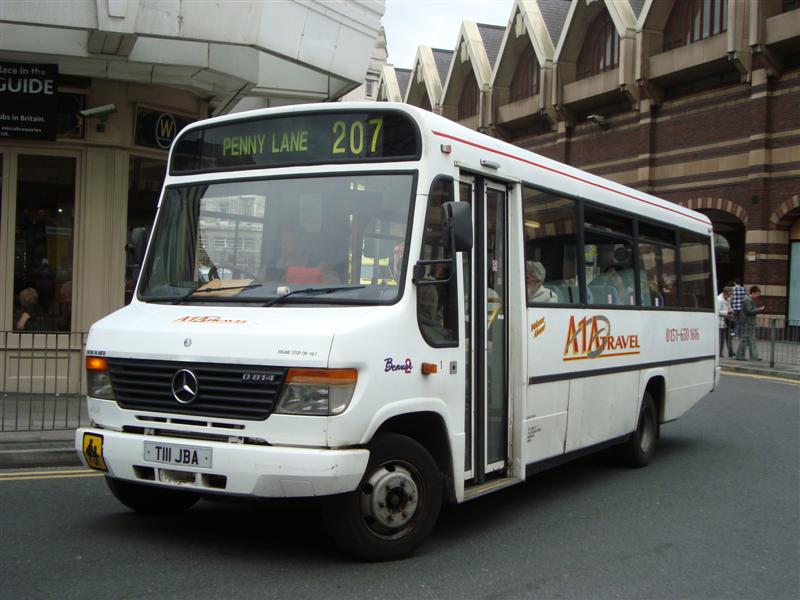
The Beaver is a conventional body placed on a manufacturer’s chassis. It retains a step‑entrance layout rather than a low‑floor design, which influences boarding characteristics and interior layout. Construction emphasized a simple, functional passenger saloon with upright windows and a straightforward driver area. Interiors were typically trimmed for durability rather than luxury, reflecting the Beaver’s role in high‑turnover, short‑trip operations.
Common chassis and technical base
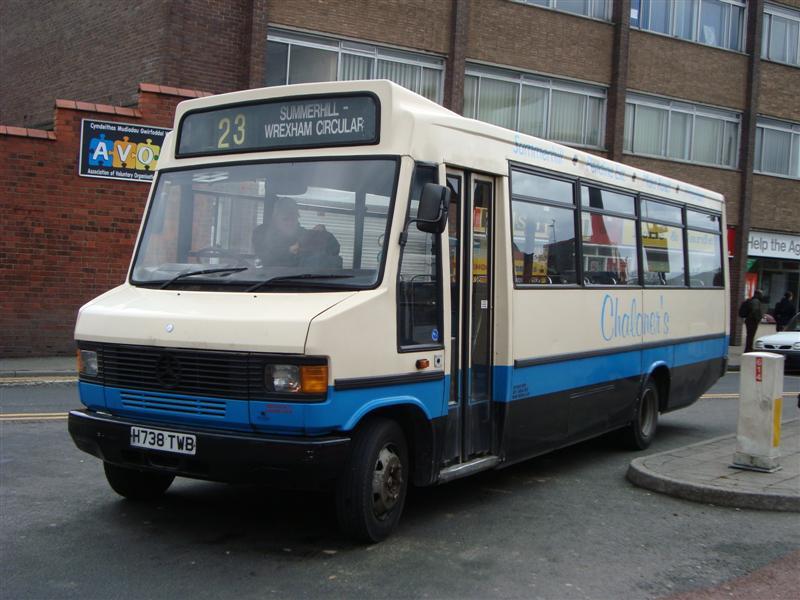
- Early examples were commonly mounted on Mercedes‑Benz van chassis such as the 709D and 811D, and other light commercial bases.
- Some Beavers used Renault S56 and S75 chassis in early production, and a number were built on van and chassis types from manufacturers like Iveco.
- Later production moved to heavier duty chassis such as the Mercedes‑Benz Vario, providing more robust mechanicals and greater payload capacity.
These chassis choices reflected the cutaway chassis market: manufacturers supply a front cab and driveline while coachbuilders complete the passenger body.
Development and variants
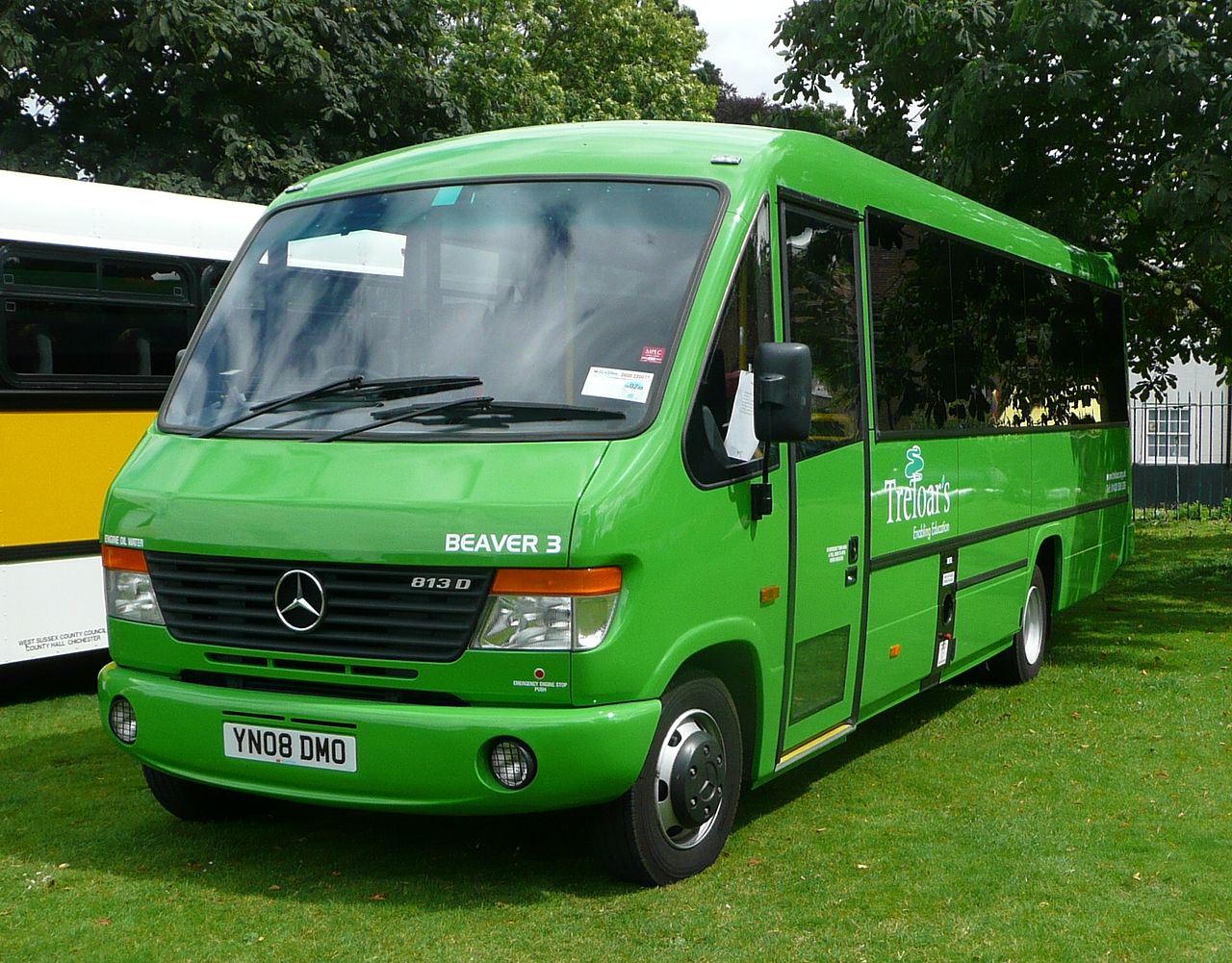
The first Beaver was produced from 1987 until the mid‑1990s and was built mainly on small van chassis. In the mid‑1990s the model evolved into the Beaver 2, which adopted a purpose‑built body shell more commonly paired with sturdier chassis. In 2006 Plaxton introduced the Beaver 3, which combined the Beaver 2 body with the frontal styling derived from the Plaxton Cheetah; this produced a more modern appearance while retaining the underlying layout and role of the earlier Beavers.
Uses and operators
Beavers have been used widely by small bus companies, local authorities and private contractors. Typical duties include:
- rural and feeder bus services where capacity and maneuverability are important;
- school and college transport on short runs;
- sightseeing, private hire and community transport schemes.
Notable distinctions and legacy
The Beaver series is notable for its longevity and for evolving through several clear stages — original Reeve Burgess‑era bodies, the Beaver 2 adaptation to heavier chassis, and the Beaver 3’s facelifted front end. Although step‑entrance minibuses have gradually been supplanted on many urban routes by low‑floor designs that improve accessibility, the Beaver remains an important example of late 20th‑century British coachbuilding practice and of the modular relationship between chassis manufacturers such as Mercedes‑Benz and specialist bodybuilders. For further technical specifications and operator records consult manufacturer and operator archives or trade resources such as manufacturer pages and specialist publications (chassis guides).
Related articles
Author
AlegsaOnline.com Plaxton Beaver minibus Leandro Alegsa
URL: https://en.alegsaonline.com/art/77381