
Pink fairy armadillo (Chlamyphorus truncatus)
A small, burrowing South American armadillo notable for its pale pink shell and subterranean lifestyle. Native to central Argentina, it is little-known and faces uncertain conservation prospects.
Overview
The pink fairy armadillo (Chlamyphorus truncatus), locally called pichiciego, is the smallest species of armadillo. Its adult body length is typically 84–117 mm with a short tail of about 27–35 mm; individuals usually weigh around 85 g. This tiny, nocturnal mammal is specialized for life beneath the surface and is rarely observed above ground.
Image gallery
8 Images



Physical characteristics
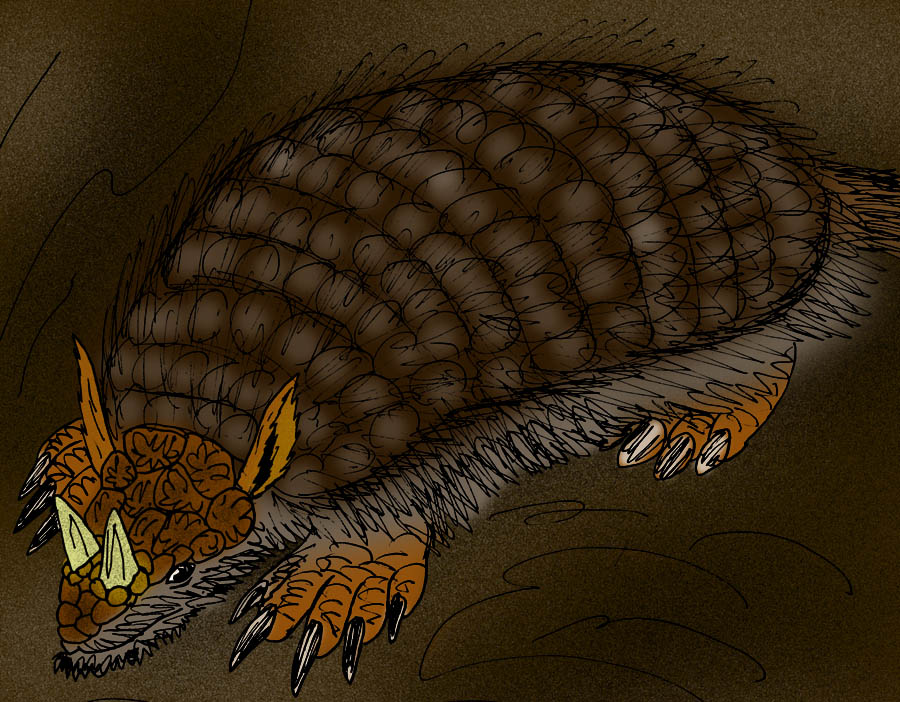
Distinctive features include a pale pink dorsal shell, a dense underside of white fur, and large front claws adapted for digging. The shell appears pink because it is thin and translucent with a network of underlying blood vessels. Unlike the harder armor of larger armadillos, the pink fairy's carapace is flexible and loosely attached to the body by a narrow band of skin. These adaptations help it move through loose soil and sand.
Habitat and distribution
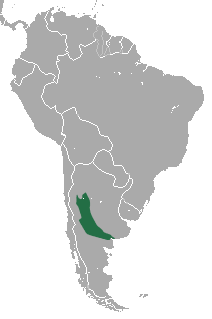
This species is native to dry, sandy plains and scrubby grasslands of central Argentina, where it constructs short burrows and tunnels. It spends most of its life underground, surfacing only briefly to forage or move between territories. For a broader context on its family, see the general armadillo group, which shows a range of ecological strategies across related species.
Behavior and diet
Pink fairy armadillos are primarily insectivorous, feeding on ants, larvae, worms and other small invertebrates, and they may also consume plant material and roots. They are solitary and are believed to be mainly nocturnal or crepuscular. Their powerful forelimbs and dagger-like claws allow rapid excavation; they often plug their burrow entrances with their body when resting.
Reproduction and conservation
Reproductive biology is not well documented, though observations suggest small litters and limited reproductive output. The species is poorly studied and its population trends are uncertain; scientists frequently describe its conservation status as insufficiently known. Threats include habitat conversion for agriculture, predation by domestic animals, road mortality and the impacts of human disturbance and pesticide use.
Significance and notable facts
As the smallest armadillo, the pink fairy armadillo is of interest to researchers studying adaptation to fossorial life. It plays a role in controlling invertebrate populations and in soil turnover through its digging. Because it is elusive and sensitive to habitat change, it highlights broader conservation challenges facing specialized subterranean mammals.
Related articles
Author
AlegsaOnline.com Pink fairy armadillo (Chlamyphorus truncatus) Leandro Alegsa
URL: https://en.alegsaonline.com/art/76995
Sources
- bucknell.edu : Mammal Species of the World
- worldcat.org : 62265494
- iucnredlist.org : "Chlamyphorus truncatus"
- species.wikimedia.org : Chlamyphorus truncatus
- commons.wikimedia.org : Chlamyphorus truncatus