
Polearm
A polearm is a long-shafted melee weapon topped with a blade, spearpoint, hook, or hammerhead, used worldwide from antiquity through the early modern era for reach, formation fighting, and anti‑cavalry roles.
Overview
A polearm is any weapon that combines a long handle or shaft with a cutting, thrusting, or hooking head. Designed to extend a fighter's reach, polearms were practical in open battle for infantry formations and in confined spaces for reach and leverage. The term covers a wide range of forms—from simple spears to complex axe-like heads fixed to long staves.
Image gallery
6 Images


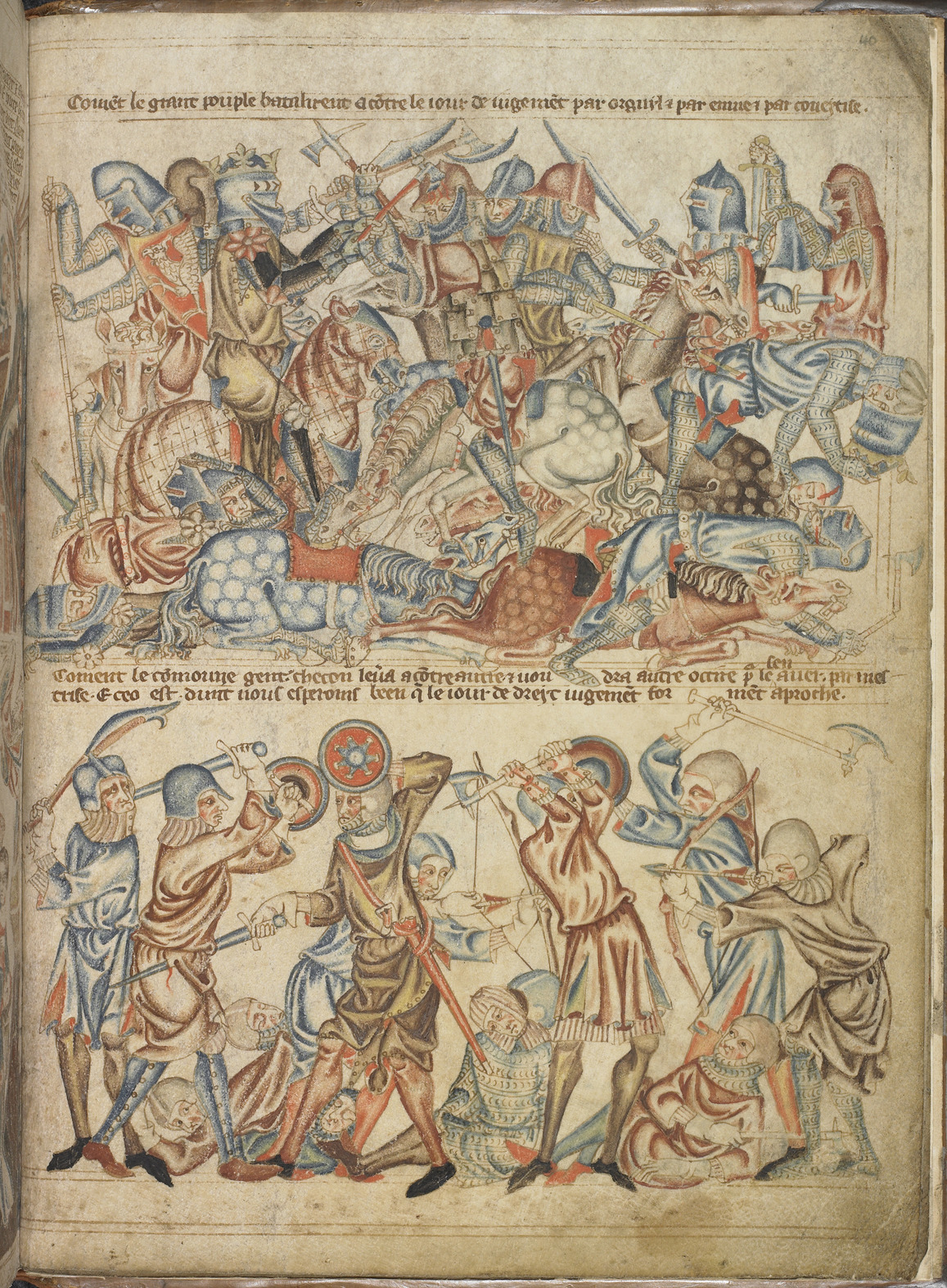

Parts and common types
Typical components include the shaft (wood or metal-reinforced), the head (spearpoint, axe blade, hook, or hammer), and the hafting system (socket or tang). Different combinations produced distinct classes of weapon:
- Spear/Yari: Primarily a thrusting head on a long pole.
- Pike: Very long spear used in massed formations to stop cavalry.
- Halberd: Axe blade with a thrusting point and often a hook on the back for pulling riders.
- Glaive and Nagina/Naginata: Single-edged blade on a pole for cutting and sweeping strikes.
- Poleaxe and Bardiche: Heavier, often armored-target weapons combining chopping and hammering functions.
History and development
Polearms appear early in human warfare, evolving as societies sought ways to counter mounted opponents and to mass infantry power. In Europe they developed into specialized battlefield arms like pikes and halberds used by Swiss and Landsknecht formations. In East Asia, weapons such as the Japanese naginata and Chinese guandao became prominent. During the transition to gunpowder, many polearms remained in use because of their low cost and effectiveness in close conditions.
Uses, tactics, and cultural roles
Polearms exploited reach advantage to keep opponents or cavalry at bay, enabling infantry to operate as cohesive units. They suited thrusting, cutting, and dismounting maneuvers; some designs added hooks for grappling. Beyond warfare, polearms served ceremonial and policing roles into the modern era, and survive in martial arts and historical reenactment traditions. In some cultures, specific polearms also appear in the iconography and social roles of warriors, for example the naginata’s association with women of the samurai class in Japan.
Distinctions and notable facts
Not all staff weapons are polearms: simple clubs or staves without a distinct head are treated separately. Polearms are distinguished from swords primarily by their reliance on reach and leverage rather than close cutting and thrusting. Many surviving museum examples show regional variation in blade shape and hafting technique, reflecting local tactics and available materials.
Related articles
Author
AlegsaOnline.com Polearm Leandro Alegsa
URL: https://en.alegsaonline.com/art/77713