
Plate armour: construction, history, and uses
Plate armour is rigid body protection formed from shaped iron or steel plates. This article surveys its materials, components, regional styles, functions in battle and sport, and its gradual decline with firearms.
Plate armour describes protective equipment made from large, shaped plates of iron or steel that cover and articulate around the human body. Developed to address the limitations of earlier flexible defences, plate provided a balance of protection and mobility for fighting men and mounted troops. For a concise introduction to related systems see armour overview. Early segmented precedents include the Roman lorica segmentata, which used overlapping strips to protect the torso, and other cultures developed plate elements independently in different periods.
Image gallery
10 Images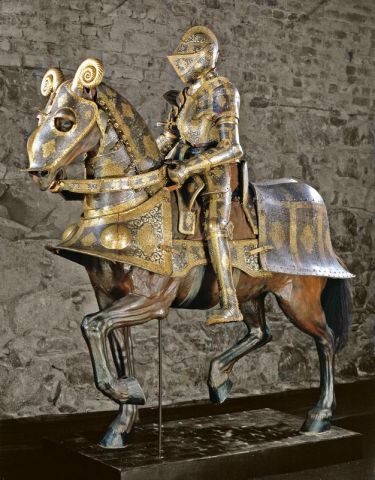




Materials and manufacture
Plate was typically formed from wrought iron or steel, hammered and heated to shape, then tempered by controlled cooling to improve toughness. Plates were cut, flanged and joined so they could articulate at joints; sliding rivets, internal straps and leather fittings allowed movement while keeping gaps minimal. Padding such as a gambeson was worn beneath plates to absorb impact and reduce bruising, and mail (chain) was retained in many suits to cover armpits, groin and other vulnerable gaps.
Components and articulation
A full harness normally protects head, torso, arms and legs with named components: helmet, bevor or gorget for throat protection, cuirass (breast- and backplate), pauldrons for shoulders, rerebraces and vambraces for upper and lower arms, gauntlets for hands, and cuisses, poleyns and greaves for the hips, knees and lower legs. Designers used fluting, ridges and compound shaping both for strength and to deflect blows. Flexible joints combined solid plates with overlapping lames to preserve range of motion.
Regional styles and development
While small plate elements exist in many regions, the fully articulated suit became most technically advanced in late medieval and Renaissance Europe. Workshops in cities such as Milan and Augsburg produced characteristic styles—often described as Milanese, Gothic or Maximilian—distinguished by proportions, finishing and decorative motifs. The transition from a coat of plates worn over mail in the 13th century to widely used full harnesses in the 15th century reflects improvements in metallurgy and forging that permitted larger, thinner plates with greater resilience; this growth in use and refinement is discussed in surveys of European plate development and chain and plated defences.
Function: battlefield, tournament and social role
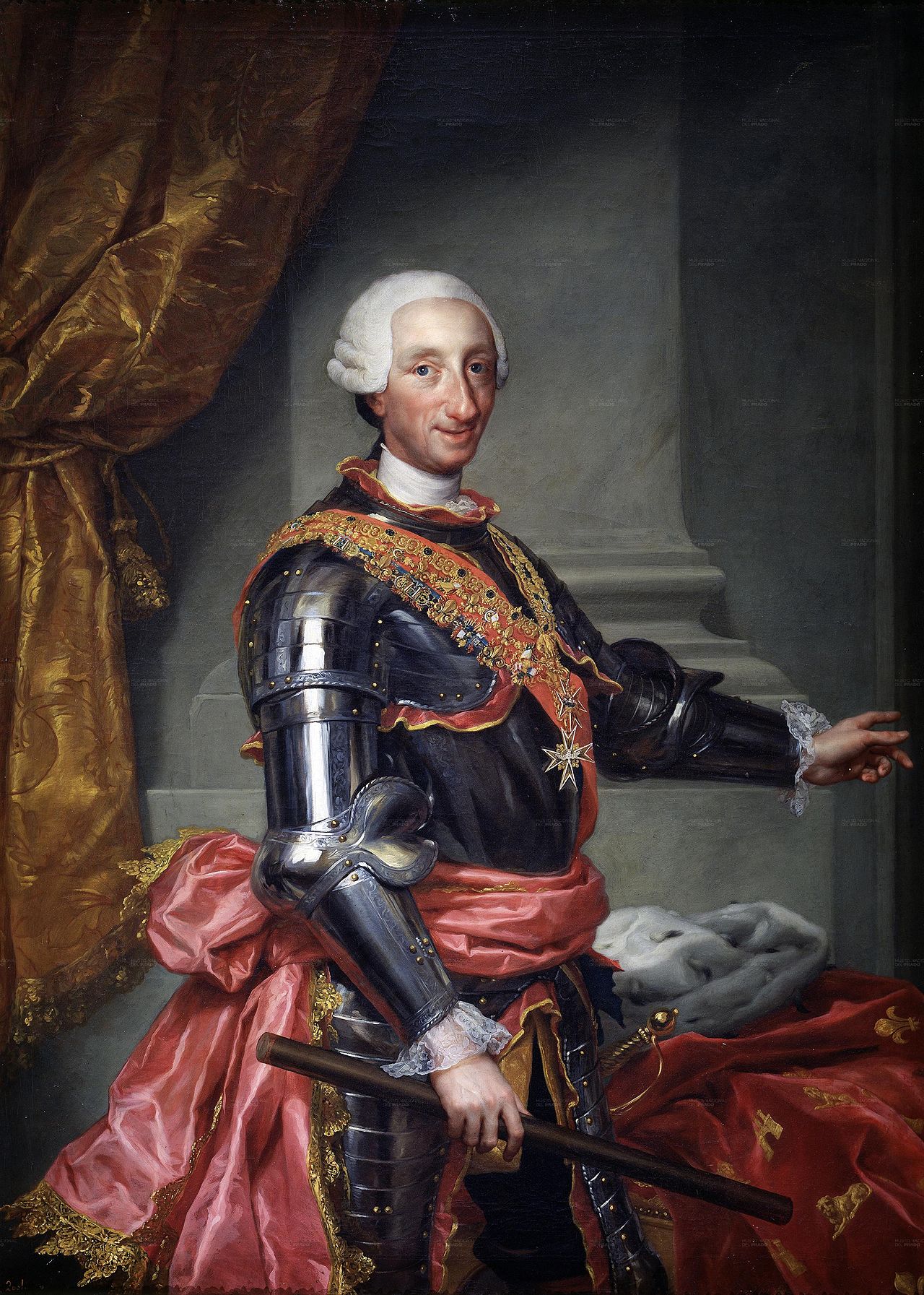
Plate armour served several roles. On campaign and in combat it protected cavalry and selected infantry from edged weapons, lances and bolts; its design favoured mounted shock troops and heavily equipped men-at-arms. In tournaments armour was adapted and reinforced for repeated blunt impacts and specialized events such as the joust, where protection and stability were paramount; see discussions of jousting equipment and knightly armour. Beyond pure utility, finely made harnesses were important status symbols, richly finished for display and ceremonial use.
Decline and legacy
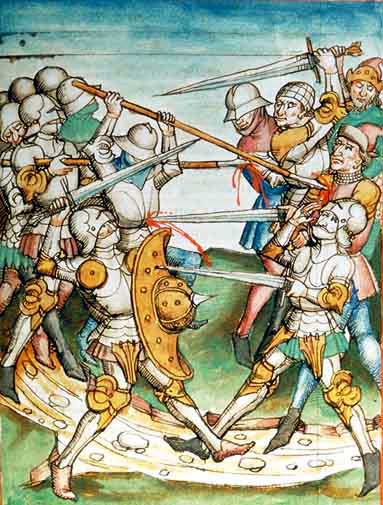
The increasing prevalence and power of gunpowder weapons in the 16th and 17th centuries exposed the limits of full plate. Firearms such as the musket could penetrate many plates at typical combat ranges, so by the mid‑17th century full suits became rare in the field; most soldiers retained only a helmet and breastplate for some protection against shrapnel and pistol shots. Military needs, cost and mobility all contributed to the change—topics summarized in treatments of firearms and armour and studies of the period of plate popularity.
Today plate armour survives in museum collections, archaeological finds and living history practice. Research in experimental archaeology, metallurgy and period sources helps clarify how suits were made, maintained and used. For further comparative reading and technical introductions, follow the linked resources above for entry points into specialist literature and museum catalogues.
For concise historical overviews and practical guides on construction and regional styles, consult introductory resources such as armour overview, catalogues of museum holdings and regional studies that address evolving form and function across centuries.
Questions and answers
Q: What is plate armour?
A: Plate armour is a type of body armour made from iron or steel plates.
Q: What is the earliest example of plate armour?
A: The earliest example of plate armour is the Roman army's Lorica segmentata.
Q: Where was full plate armour mainly made?
A: Full plate armour was mainly made in Europe in the late middle ages.
Q: What was an improvement on the coat of plates that had been worn over chain mail in the 13th century?
A: Full plate armour was an improvement on the coat of plates that had been worn over chain mail in the 13th century.
Q: When did plate armour reach its peak popularity?
A: Plate armour reached its peak popularity in the 15th and 16th centuries.
Q: What is plate armour often associated with?
A: Plate armour is often associated with medieval knights, since modified plate armour was used in jousting.
Q: Why was only the breastplate generally worn after 1650?
A: After 1650, only the breastplate was generally worn because the musket was created: the musket could pierce plate armour over long distances.
Related articles
Author
AlegsaOnline.com Plate armour: construction, history, and uses Leandro Alegsa
URL: https://en.alegsaonline.com/art/77331
Sources
- themiddleages.net : "Middle Ages: Armor"