
Pickerel frog (Lithobates palustris)
A small North American frog noted for paired rectangular dorsal blotches and bright yellow-orange inner thighs; found in eastern wetlands and known for skin secretions that deter predators.
The pickerel frog (Lithobates palustris, formerly Rana palustris) is a small to medium-sized amphibian native to eastern North America. It is most familiar to naturalists and pond-watchers for the distinctive patterning on its back and the bright yellow-or-orange coloration on the inner surfaces of its hind legs. Pickerel frogs occupy a range of damp habitats and play a role in wetland food webs.
Image gallery
4 Images

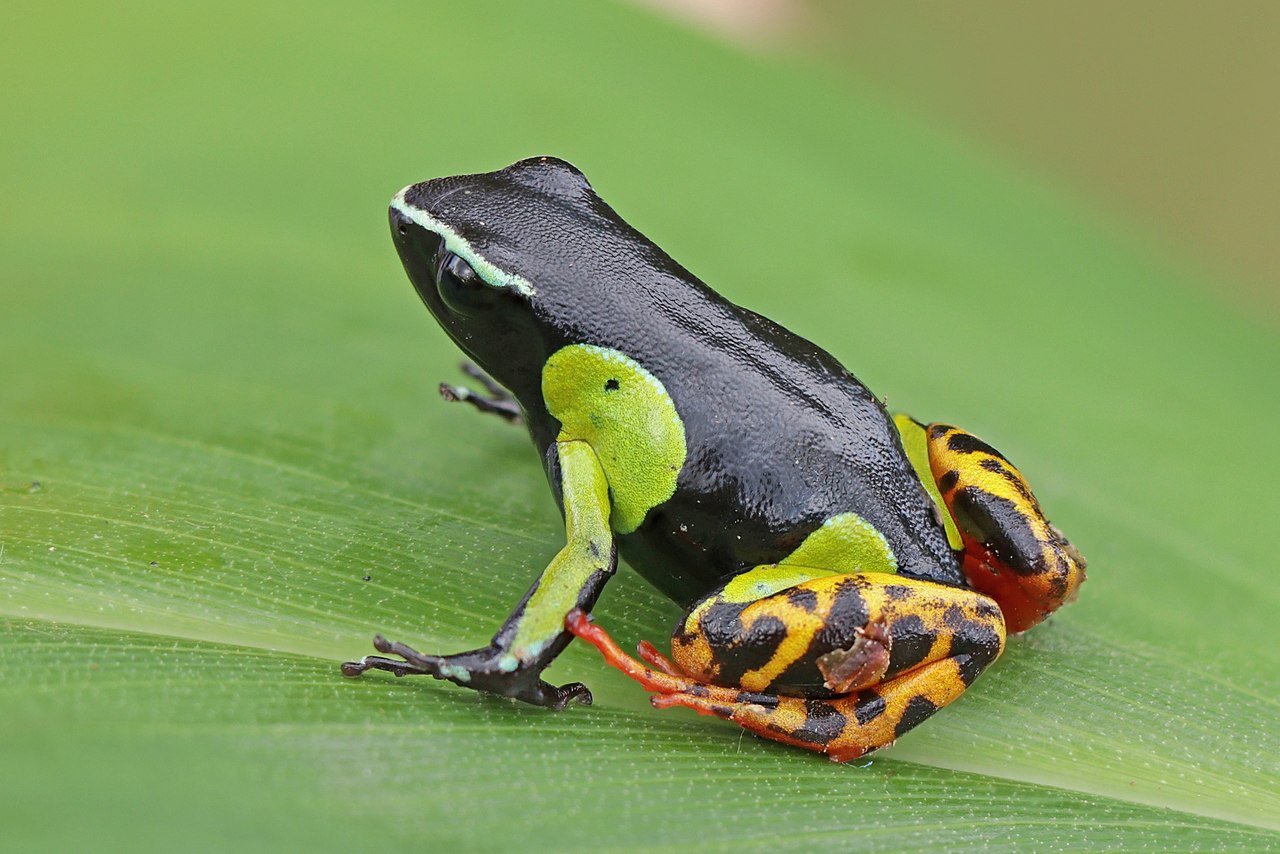

Identification
Pickerel frogs are recognized by a series of dark, rectangular or square-shaped blotches that are arranged in parallel rows along the back rather than scattered spots. The shapes are generally more block-like than the round spots of closely related species. Many individuals show pale lips and a light-colored belly that may exhibit variable mottling. The inner thighs of this species are characteristically yellow or orange, a useful field mark when the frog hops or stretches its legs.
Characteristics and behavior
- Habitat: prefers cool, clear water bodies, marsh edges, wet woodlands, and riparian zones; often found near streams and seeps.
- Activity: largely terrestrial outside the breeding season and often secretive; most active at night or during wet weather.
- Diet: feeds on a variety of small invertebrates such as insects and spiders.
Breeding typically takes place in shallow water where females deposit egg masses. Tadpoles develop in aquatic settings before metamorphosing into land-capable juveniles. Like many ranid frogs, pickerel frogs have a life cycle tied closely to seasonal temperature and moisture patterns.
Toxicity and ecological role
Pickerel frogs produce skin secretions that act as chemical defenses. These secretions can deter predators and have been shown to irritate or be harmful to some other amphibians that come into direct contact. The toxins are not generally dangerous to humans but are an important ecological adaptation for the frog and a reminder to avoid handling wild amphibians when possible.
Range, similar species, and conservation
Found across much of eastern North America, the pickerel frog overlaps with several other ranid frogs. It can be distinguished from leopard frogs by the rectangular rather than round dorsal markings and by the inner-thigh coloration. While not considered globally threatened, pickerel frog populations face pressures common to many amphibians, including habitat loss, water pollution, and road mortality. For regional identification tips and conservation guidance, consult local field guides or resources such as range and identification guides and regional amphibian resources.
Related articles
Author
AlegsaOnline.com Pickerel frog (Lithobates palustris) Leandro Alegsa
URL: https://en.alegsaonline.com/art/76729