
Plains Indians: Indigenous Peoples of the Great Plains and Canadian Prairies
Overview of the Plains Indians: cultural traits, environment, history of contact, major tribes, material culture, and modern legacy of Indigenous peoples of the Interior Plains.
Overview
The term "Plains Indians" refers broadly to the Indigenous peoples who traditionally lived across the Interior Plains of North America, including the Great Plains and the Canadian Prairies. Their territories lay roughly between the Rocky Mountains and the Mississippi River, a region dominated by open grasslands and rolling plains. This label groups societies with related lifeways rather than a single nation, and it is used in anthropology and history to describe shared adaptations to a similar environment. See also discussions of broader Indigenous peoples.
Image gallery
10 Images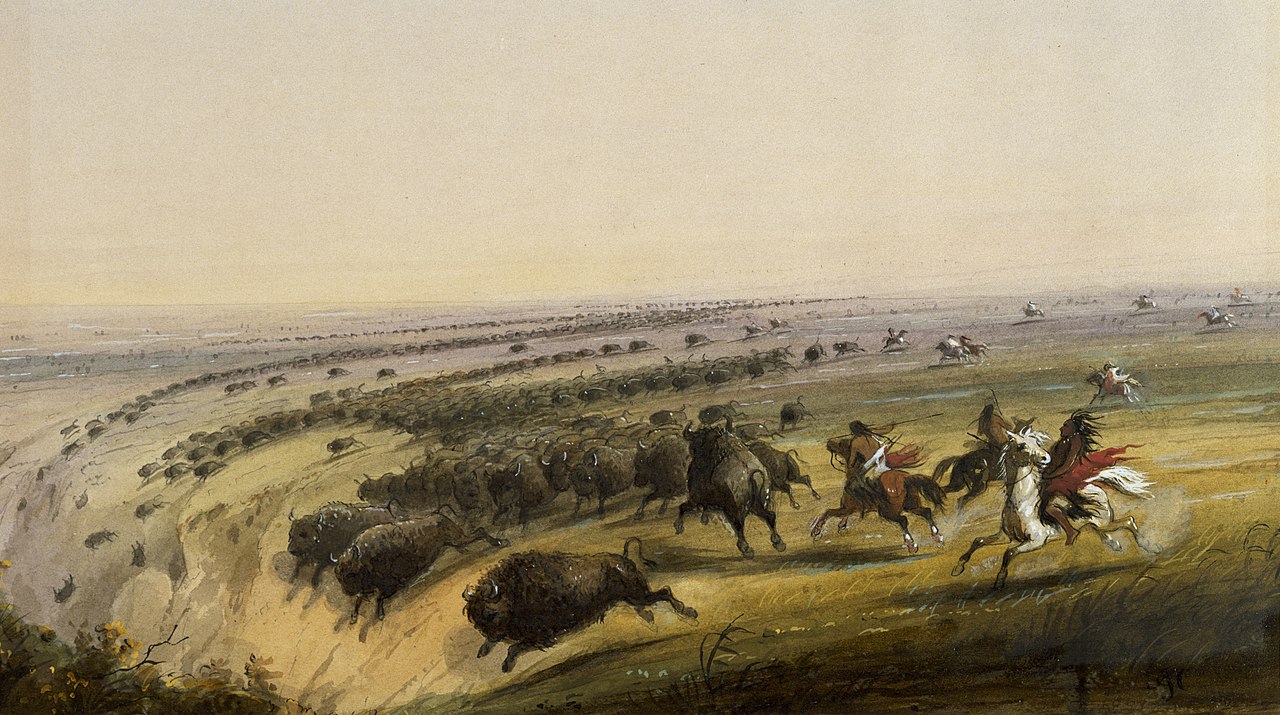





Culture and economy
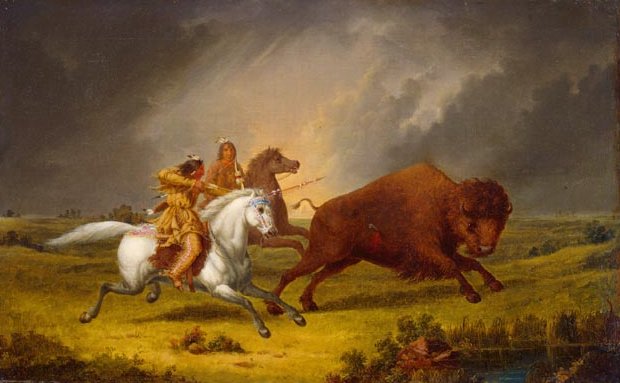
Mobility and the availability of resources shaped Plains lifeways. After horses were introduced to the continent, many groups developed mounted bison-hunting economies that transformed transport, warfare, and trade; horses remain a prominent symbol of Plains cultures (horses). The American bison provided meat, hides, and raw materials and was central to subsistence and ceremony (bison). Many Plains communities used conical tipis that were quick to assemble and well suited to frequent movement.
Social structure and material culture
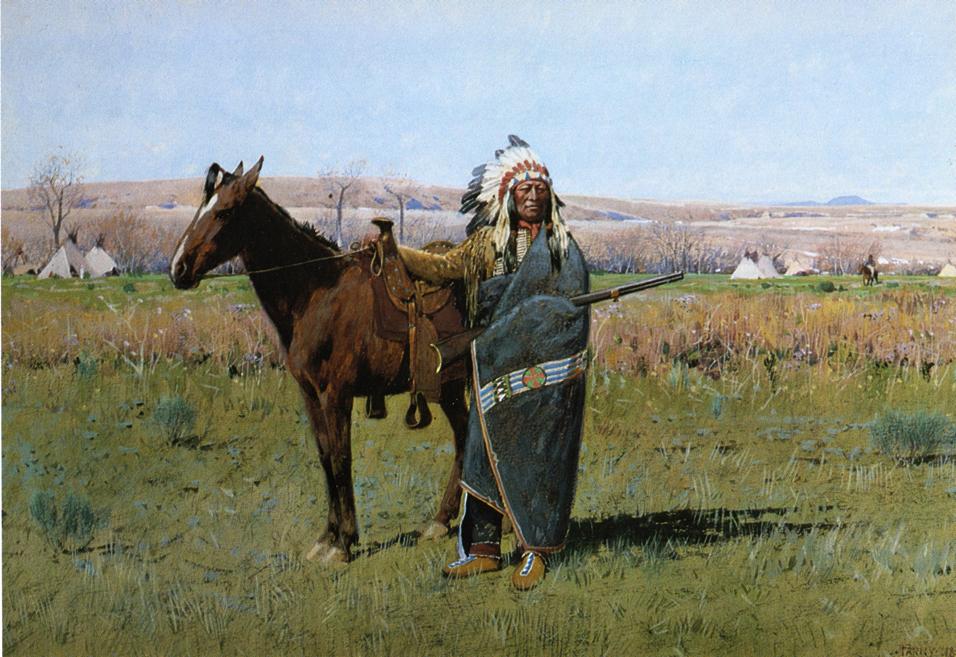
Plains societies were diverse in language, kinship, and political organization. Some groups organized in bands that came together seasonally, while others had larger political units and councils. Material culture included elaborate beadwork, painted hides, quillwork, bone and wooden tools, and distinctive regalia used in ceremonies and dances.
Representative peoples
- Sioux (Lakota, Dakota, Nakota)
- Cheyenne and Arapaho
- Blackfoot and Gros Ventre
- Crow, Comanche, Kiowa, Pawnee
History of contact and modern legacy
Contact with Europeans and later United States and Canadian expansion brought profound change: new trade goods, diseases, shifting alliances, and ultimately military conflicts and forced removals. The late 19th century saw dramatic declines in bison populations and the confinement of many groups to reservations. Despite these disruptions, Plains nations have maintained important cultural practices, language revitalization efforts, and political advocacy. Plains peoples appear frequently in popular culture; scholars and community members note that a simplified image of the "Plains warrior" has often become a general stereotype applied to Indigenous peoples beyond the region.
Importance and distinctions
Understanding the Plains peoples requires attention to regional variation, historical change, and contemporary resurgence. They are not a single culture but a set of distinct nations with shared adaptations to prairie environments and a strong legacy in North American history. For further reading on Indigenous histories and cultures, see resources on broader Indigenous topics and regional studies (Rocky Mountains context, river systems, grassland ecology). Additional general references are available through library and museum collections and educational portals (plains environments, horse cultures, bison recovery).
Questions and answers
Q: Who are Plains Indians?
A: Plains Indians are Native American tribes with similar cultures in the Interior Plains, including the Great Plains and Canadian Prairies.
Q: Where is the region of the Great Plains and Canadian Prairies located?
A: The region of the Great Plains and Canadian Prairies is located between the Rocky Mountains and the Mississippi River.
Q: What type of landscape can be found in this region?
A: The landscape in this region is mostly flat grasslands and plains.
Q: How did these people live their lives?
A: These people were often on the move (nomadic) and used horses for transportation. They mainly hunted bison for food.
Q: How has this particular Native group become a part of popular culture?
A: This particular Native group has become a stereotype for Natives in literature and art.
Q: When were these Natives taken over by Europeans?
A: These Natives were one of the last to be taken over by Europeans.
Related articles
Author
AlegsaOnline.com Plains Indians: Indigenous Peoples of the Great Plains and Canadian Prairies Leandro Alegsa
URL: https://en.alegsaonline.com/art/77222