
Phở — Vietnamese rice noodle soup
Phở is Vietnam’s iconic noodle soup of fragrant clear broth, flat rice noodles and thinly sliced meat, served with fresh herbs and condiments; it has regional varieties and global popularity.
Phở is a Vietnamese soup centered on flat rice noodles, a clear seasoned broth and thinly sliced meat. The dish is widely regarded as a national specialty and is commonly eaten for breakfast, lunch or dinner. A typical bowl combines chewy rice noodles, hot savory noodle soup broth and proteins such as thinly sliced beef or chicken, finished at the table with fresh herbs and spicy or sweet condiments.

Image gallery
10 Images




Ingredients and preparation
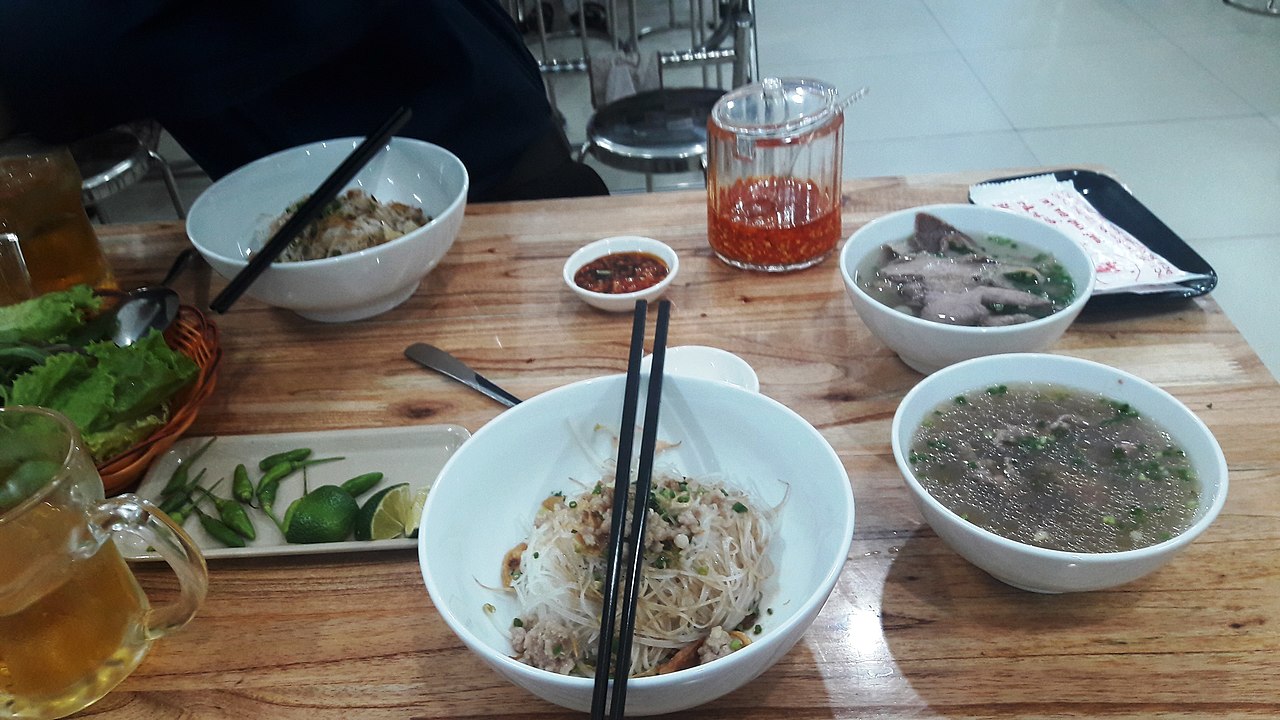
Phở’s character comes from a long-simmered broth made from bones and aromatics. Typical flavorings include charred onion and ginger and whole spices such as star anise, cinnamon and cloves, which give the broth its distinctive perfume. The starch component is the flat rice noodle (bánh phở); proteins vary from rare slices of beef and brisket to tendon, tripe or meatballs. Common garnishes include bean sprouts, Thai basil, lime, sliced chili, hoisin and chili sauce.
Common components
- Broth: long-simmered beef or chicken stock (broth) with spices
- Noodles: flat white rice noodles
- Proteins: various cuts of beef, meatballs or chicken
- Garnishes: herbs, sprouts, lime, chilies and condiments
History and regional varieties
Phở emerged in northern Vietnam in the early 20th century, shaped by local cooking techniques and external influences such as Chinese noodle traditions and the availability of beef during the French colonial era. Over time it spread southward and developed distinct regional styles: Hanoi phở is typically lighter, with a clear, subtly seasoned broth and fewer accompaniments; Saigon (southern) phở tends to be sweeter, more aromatic and served with a wider range of herbs and garnishes. Today phở is prepared across Vietnam and in Vietnamese communities worldwide.
Serving, variations and cultural role
Bowls are assembled tableside so diners can adjust flavors to taste. Variants are named for their protein—phở bò (beef) and phở gà (chicken)—or by the cut of meat (rare, well-done, brisket, tendon, tripe). While traditional street vendors remain important, phở is also a staple of restaurants and home cooking. Its international spread followed migration and has made phở a familiar item on many global menus.
Phở is often compared with other Vietnamese soups but is distinct for its specific use of flat rice noodles and the particular spice profile of its broth. For further reading on related topics, see resources about rice and noodles (rice, noodle soup), proteins (beef, chicken), and traditional preparations (broth, tripe, meatballs, Vietnam).
Related articles
Author
AlegsaOnline.com Phở — Vietnamese rice noodle soup Leandro Alegsa
URL: https://en.alegsaonline.com/art/76616