
Noodle soup: overview, varieties, and cultural importance
Noodle soup is a broad category of dishes combining broth and noodles with varied regional ingredients and techniques. It includes traditional Asian soups and modern instant forms.
Overview
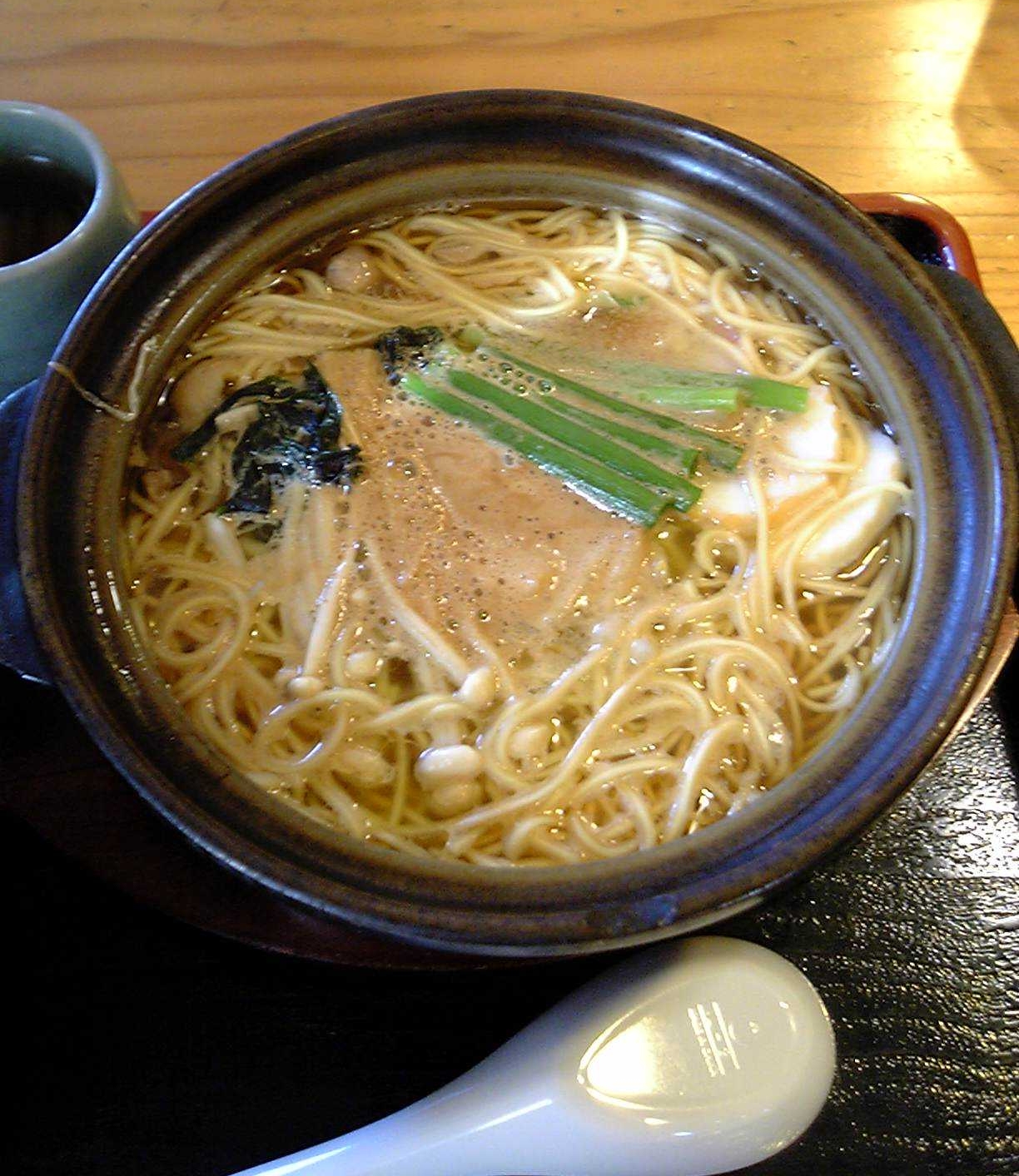
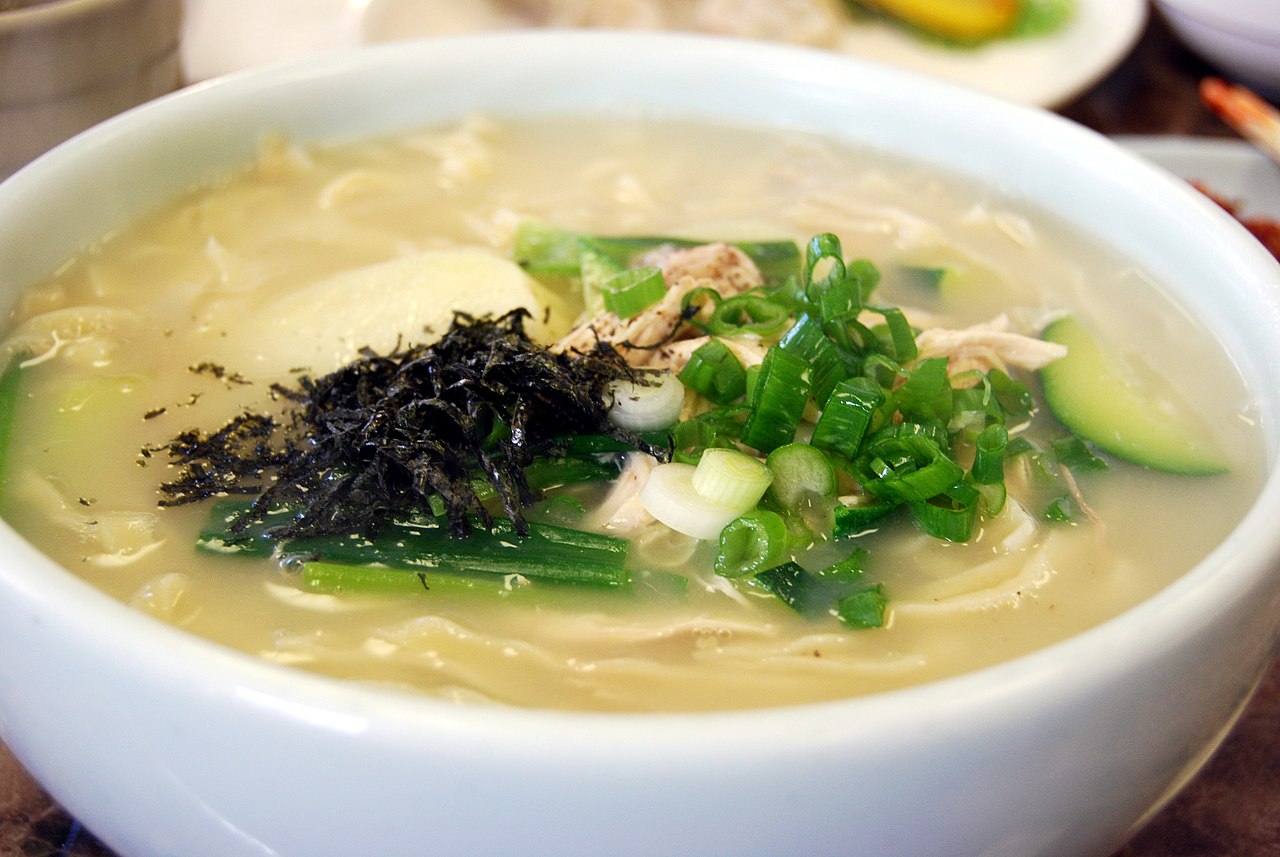
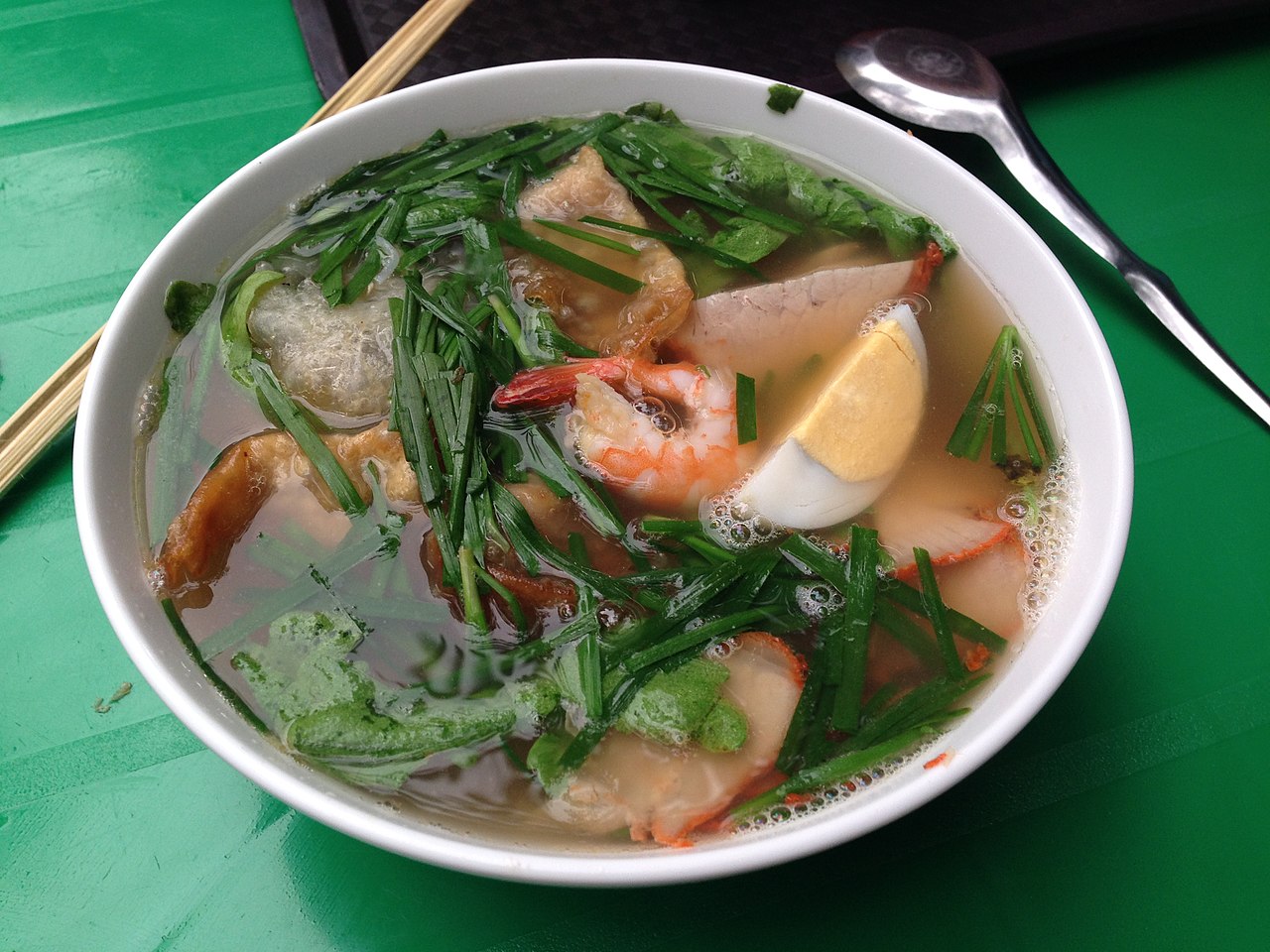
Noodle soup is a culinary category in which cooked noodles are served immersed in a flavored liquid. Typical preparations combine a clear or seasoned stock with wheat, rice, buckwheat, or other noodles, and often include meat, seafood, vegetables, herbs, or spices. The term covers both simple home-style bowls and complex restaurant dishes; it also applies to dehydrated convenience versions.
Image gallery
10 Images






Ingredients and structure
Most noodle soups have three main components: the broth, the noodle, and the accompaniments. A broth may be made from simmered bones, meat, fish, or vegetables and can be seasoned with salt, soy, fish sauce, miso, herbs, or chili. The noodle may be thin like vermicelli, flat like rice noodles, or thick like udon, and is chosen for texture and how it carries flavor. Common garnishes include aromatic herbs, lime, sliced chilies, scallions, and fried shallots. For more on basic stock techniques see broth foundations.
History and origins
Noodle soups have deep roots in Asia, where different regions developed distinct combinations of noodle and soup. While no single origin can be assigned to all noodle soups, historical trade and migration spread noodle-making and soup techniques across China, Southeast Asia, and the Indian subcontinent. Modern mass-produced instant noodle soup also arose in the 20th century and became globally widespread; for details about packaged products see instant noodle history.
Regional varieties
- China: wide range including hand-pulled noodles in beef or clear broths.
- Japan: ramen and udon, typically with rich stocks and toppings.
- Vietnam: pho, a fragrant beef or chicken broth with rice noodles.
- Thailand and Malaysia: spicy coconut or tamarind-based soups such as laksa.
- Other examples: Korean noodle stews, Burmese mohinga, and noodle bowls adapted worldwide.
These regional styles illustrate how local ingredients and taste preferences shape broth seasoning, noodle type, and serving temperature. See regional comparisons at Asian noodle traditions.
Cultural role and modern forms
Noodle soup often functions as comfort food, street food, ceremonial fare, or restaurant specialty. It can be inexpensive and quick to prepare or the focus of slow, elaborate cooking. The convenience of dried and instant products made noodle soup a pantry staple globally; for preparation tips and consumer information consult consumer guides and product resources at noodle makers.
Notes and distinctions
Not all dishes with noodles and liquid are classified the same: stews, brothless noodle dishes, and soups with dumplings differ in technique and texture. Nutrition varies widely depending on ingredients and portion size. When exploring noodle soups, pay attention to broth clarity, noodle texture, and the balance between savory, acidic, spicy, and aromatic elements.
Related articles
Author
AlegsaOnline.com Noodle soup: overview, varieties, and cultural importance Leandro Alegsa
URL: https://en.alegsaonline.com/art/70634