
Tripe (edible stomach lining)
Tripe is the cleaned stomach lining of ruminant animals used worldwide as food. This article explains its types, preparation, culinary uses, history, nutrition and safety considerations.
Overview
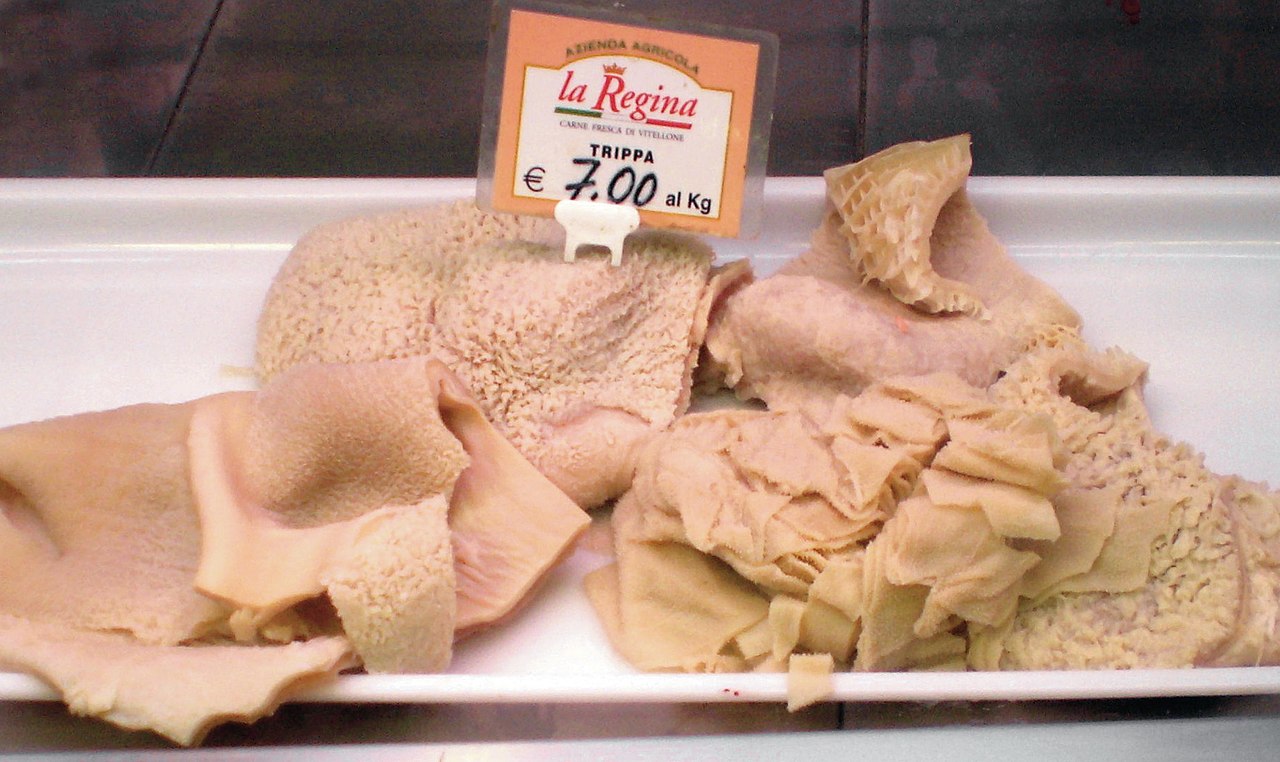
Tripe is the edible lining from the stomachs of ruminant mammals (most commonly cattle). It is a form of offal—organ meat—valued in many cuisines for its texture and ability to absorb flavors. When cleaned and cooked correctly, tripe becomes tender and is featured in soups, stews, sausages and street-food sandwiches around the world.
Image gallery
10 Images




Types and structure
Ruminants have several stomach chambers; tripe varieties reflect these anatomical differences. Common types include:
- Honeycomb tripe (reticulum) — distinctive hexagonal pattern, prized for texture.
- Blanket or flat tripe (rumen) — smoother, larger sheets often used in stews.
- Book tripe (omasum) — layered, leaf-like appearance.
Each type has a different mouthfeel and responds differently to cooking.
Culinary uses and examples
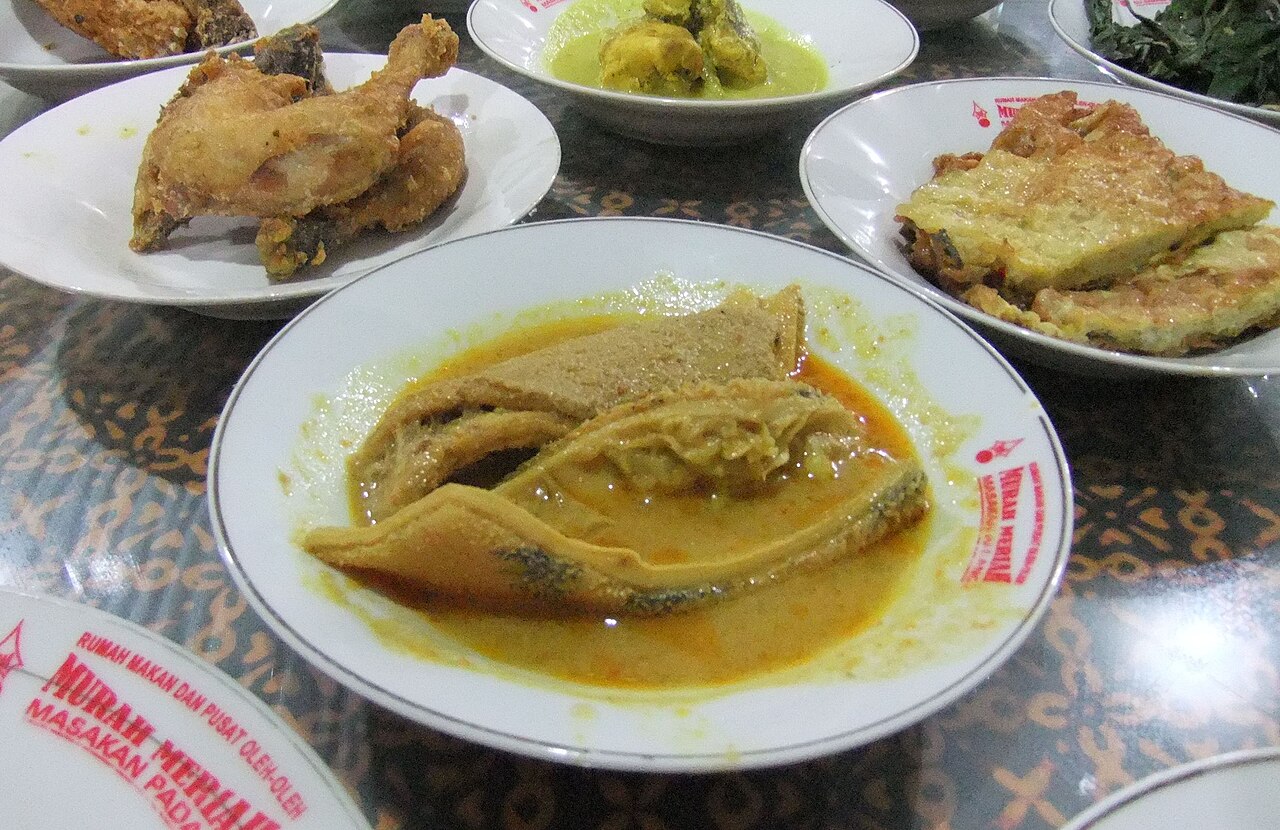
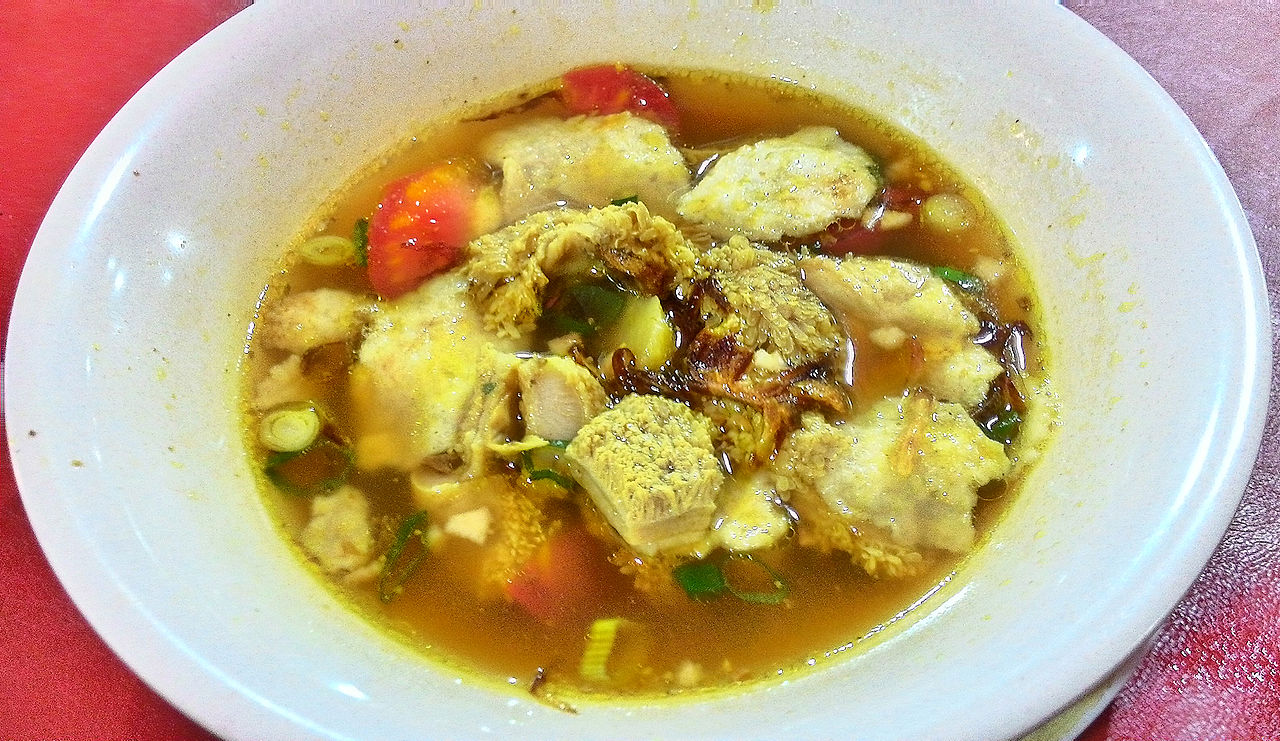
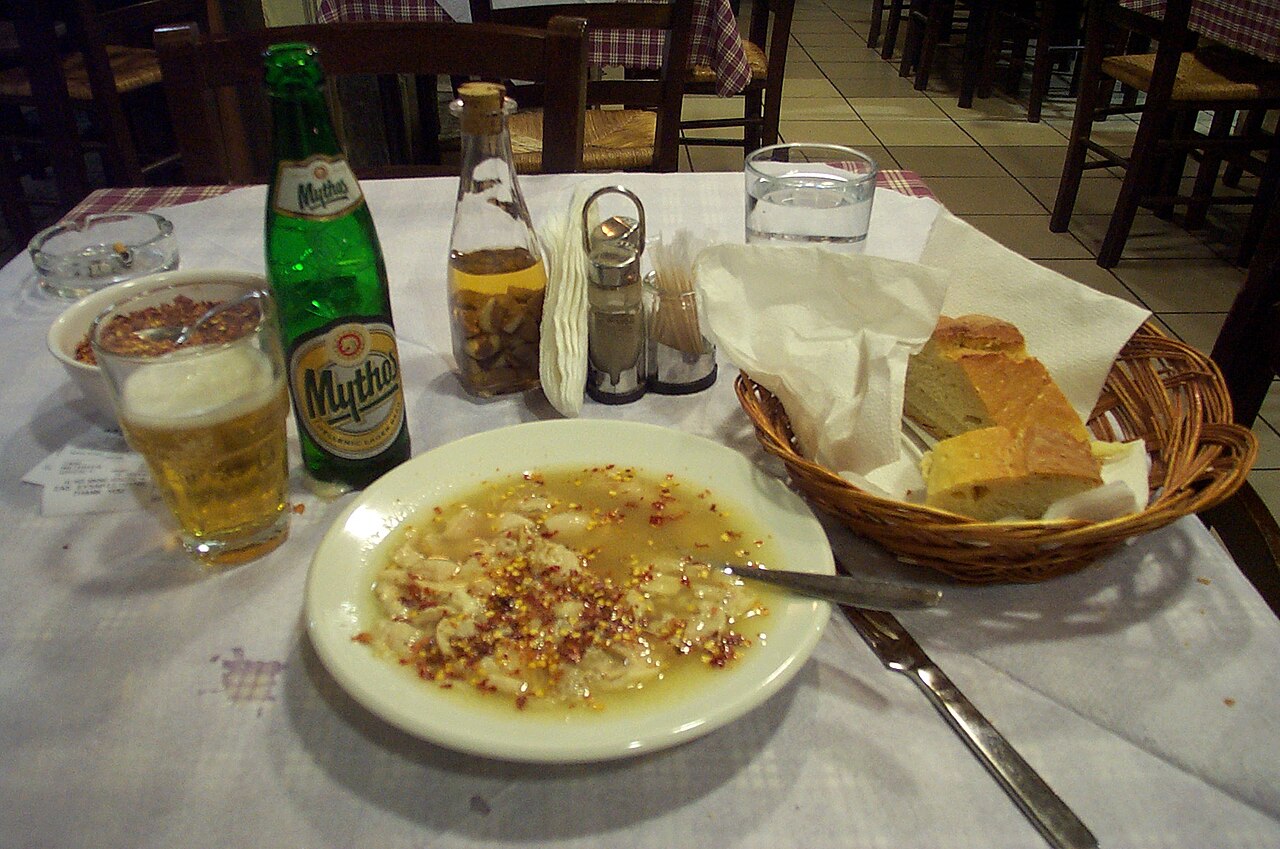
Tripe appears in regional specialties worldwide. Representative dishes include Mexican menudo, Italian trippa alla Romana, French tripes andouillette (and related sausages), Portuguese dobrada, Chinese braised tripe and the Florentine lampredotto sandwich. It is common in both home cooking and street food because of its versatility and relatively low cost.
Preparation, nutrition and safety
Fresh tripe requires thorough cleaning and extended cooking—boiling, simmering or pressure-cooking—to break down toughness. Many recipes call for an initial blanch to remove impurities. Nutritionally, tripe is a protein-rich, low-fat animal product and supplies minerals such as iron and zinc and B vitamins. As with all offal, hygienic handling and complete cooking are important to reduce bacterial risk.
History and cultural significance
Tripe has long been part of peasant and working-class diets because it makes use of the whole animal. Over time it became a celebrated traditional ingredient in many regions, associated with comfort food, regional identity and seasonal festivals.
Related articles
Author
AlegsaOnline.com Tripe (edible stomach lining) Leandro Alegsa
URL: https://en.alegsaonline.com/art/101553
Sources
- search.barnesandnoble.com : A Child's Introduction to Poetry