
Picture Frame: Function, Parts, Materials, History and Care
Comprehensive overview of picture frames: parts, materials, glazing, mounting and conservation, plus styles, historical context and practical care advice for display and preservation.
Overview
A picture frame is a border or surround designed to hold, protect and display paintings, drawings, prints or photographs. Frames perform practical roles—securing the work, shielding it from dust and handling, and providing a method to hang or stand the object—and aesthetic ones: they set visual context, emphasize composition and can complement interior décor. In many cases the frame is chosen to harmonize with or deliberately contrast the artwork; sometimes the frame itself is considered an integral part of the finished piece.
Image gallery
9 Images




Common parts and materials
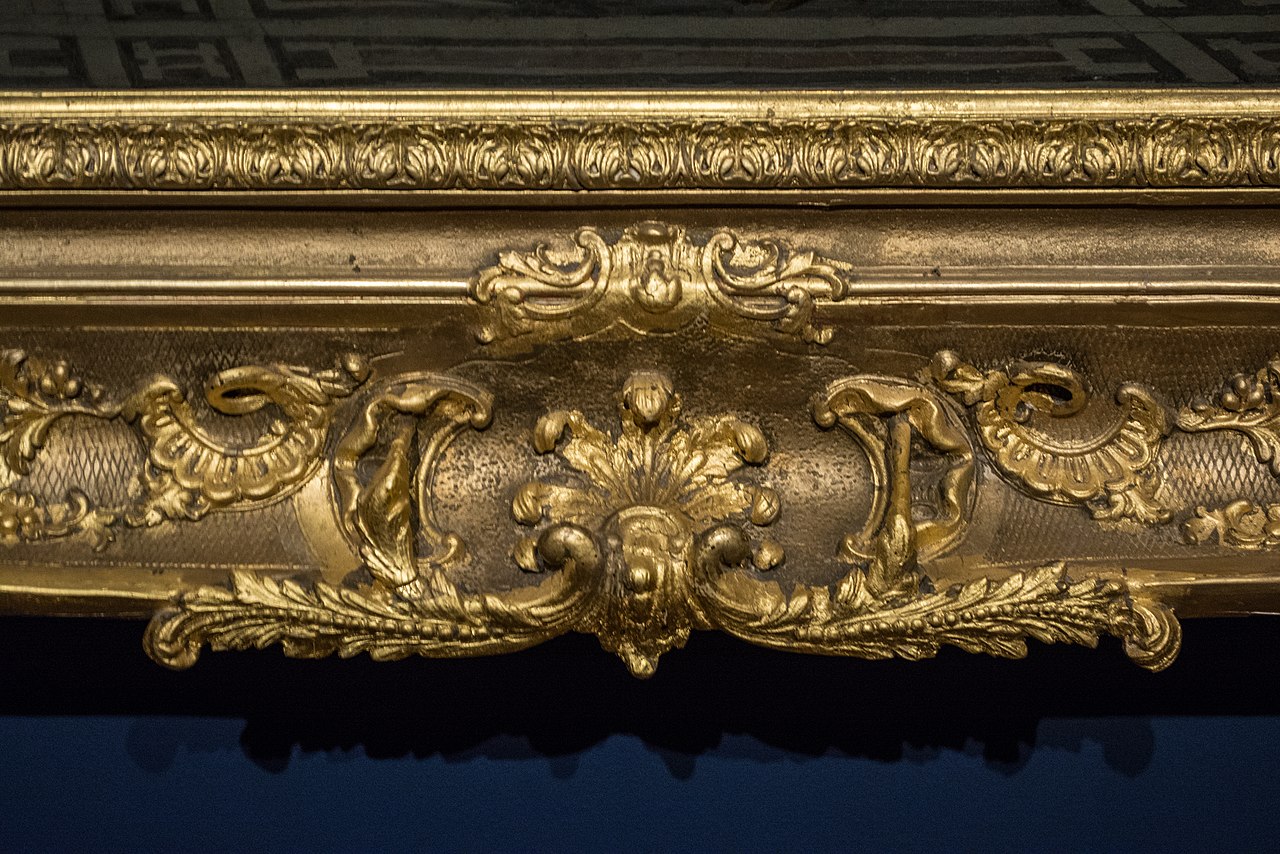
Typical components of a framed package include the moulding (the visible edge), a mat or mount that separates the artwork from glazing, glazing (glass or acrylic), a backing board, and hanging or support hardware. Mouldings are most commonly made from wood or metal; finishes include painted, stained, gilded or natural. Less expensive ready-made frames often use composite board or plastics. Backings are usually rigid boards such as foamcore, corrugated board or archival backing board; quality framing uses acid-free or buffered materials to reduce long-term deterioration.
- Moulding: profile shapes and finishes, from narrow minimalist frames to ornate carved surrounds.
- Mat: single or multiple layers of acid-free board to provide a neutral border and prevent contact with glazing.
- Glazing: clear glass, non-reflective glass, acrylic sheet or museum-grade filter that reduces UV transmission.
- Backing and hardware: rigid backing boards, dust covers, and fittings such as D-rings, hanging wire, sawtooth hangers or easel supports for tabletop frames.
Glazing, mats and mounting methods
Glazing options affect appearance and protection. Standard clear glass provides good clarity; low-reflective and museum glass reduce glare and improve viewing while some glazing offers UV-filtering to slow light damage. Acrylic is lighter and shatter-resistant but more prone to scratching. Mats are cut from museum-quality board when preservation is important; they can be used to create space around the object or to present a multi-image composition. Mounting techniques range from reversible hinging with conservation tape to dry mounting for more permanent adhesion; a conservator can recommend appropriate reversible methods for valuable works.
Styles, techniques and variations
Frame styles reflect artistic and decorative trends. Traditional frames are often carved and gilded for paintings, while contemporary work is commonly shown in simple metal or wood profiles. Shadow boxes and box frames accommodate three-dimensional or deep objects by placing the object away from the glazing. Float frames make the edges of a canvas or panel visible by suspending it within the frame. Custom framing is used to fit unusual sizes and to coordinate materials and colours; ready-made frames are an economical option for standard sizes.
Conservation and preservation
Conservation framing employs archival, acid-free materials, reversible mounting techniques and appropriate glazing to slow deterioration. Key considerations include using pH-neutral mats and backings, avoiding adhesives that can stain or degrade, and providing adequate ventilation to reduce trapped moisture. For valuable or fragile items, professional conservation framing and climate-stable display conditions are strongly recommended.
History and cultural notes
Framing practices evolved alongside artistic production and interior design. Historically, richly carved and gilded frames were common for oil paintings and served both decorative and symbolic functions. The industrial era made a wider variety of profiles and cheaper frames available to a broader public. In the 20th century, modernist aesthetics favored simpler, less ornate frames that emphasized the artwork rather than its surround. Cultural traditions influence preferred materials and decorative motifs in many regions.
Selection, display and basic care
Choose a frame that balances protection, visual effect and budget. For everyday display consider glazing that reduces glare and a mat to avoid direct contact between the artwork and glass. Keep framed pieces out of direct sunlight and away from heat sources, and avoid hanging above radiators or in areas with rapid humidity changes. Clean glazing with appropriate cloths and cleaners for the material—glass cleaners for glass, and gently with a soft cloth for acrylic—avoiding liquids that could seep into the frame. For valuable works, consult a professional framer or conservator before attempting repairs or deep cleaning.
Further resources
More practical guidance and visual examples can be found in general framing references and specialist conservation literature. For introductory information see a basic framing guide: basic framing guide. For conservation-minded approaches consult a resource on archival framing: conservation framing. For examples of moulding profiles, finishes and decorative techniques see collections of frame styles: decorative mouldings and finishes.
Related articles
Author
AlegsaOnline.com Picture Frame: Function, Parts, Materials, History and Care Leandro Alegsa
URL: https://en.alegsaonline.com/art/76752