
Philippine Sea: Geography, Ecology and Strategic Role
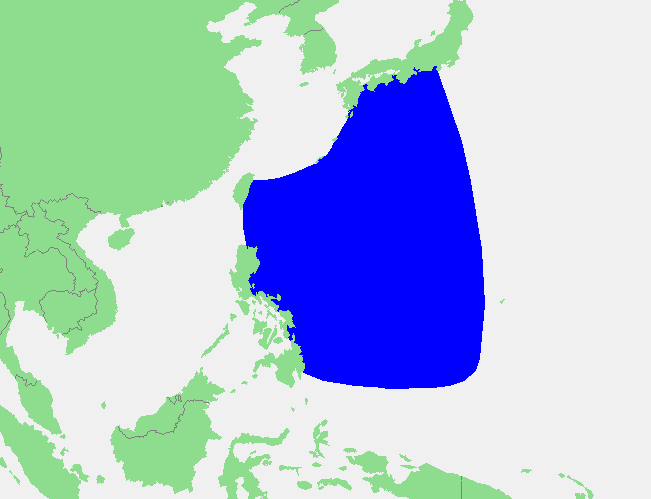
The Philippine Sea is the western Pacific body of water east of the Philippines and Taiwan. This article summarizes its location, physical features, ecology, climate influences, human uses and historical significance.
Overview
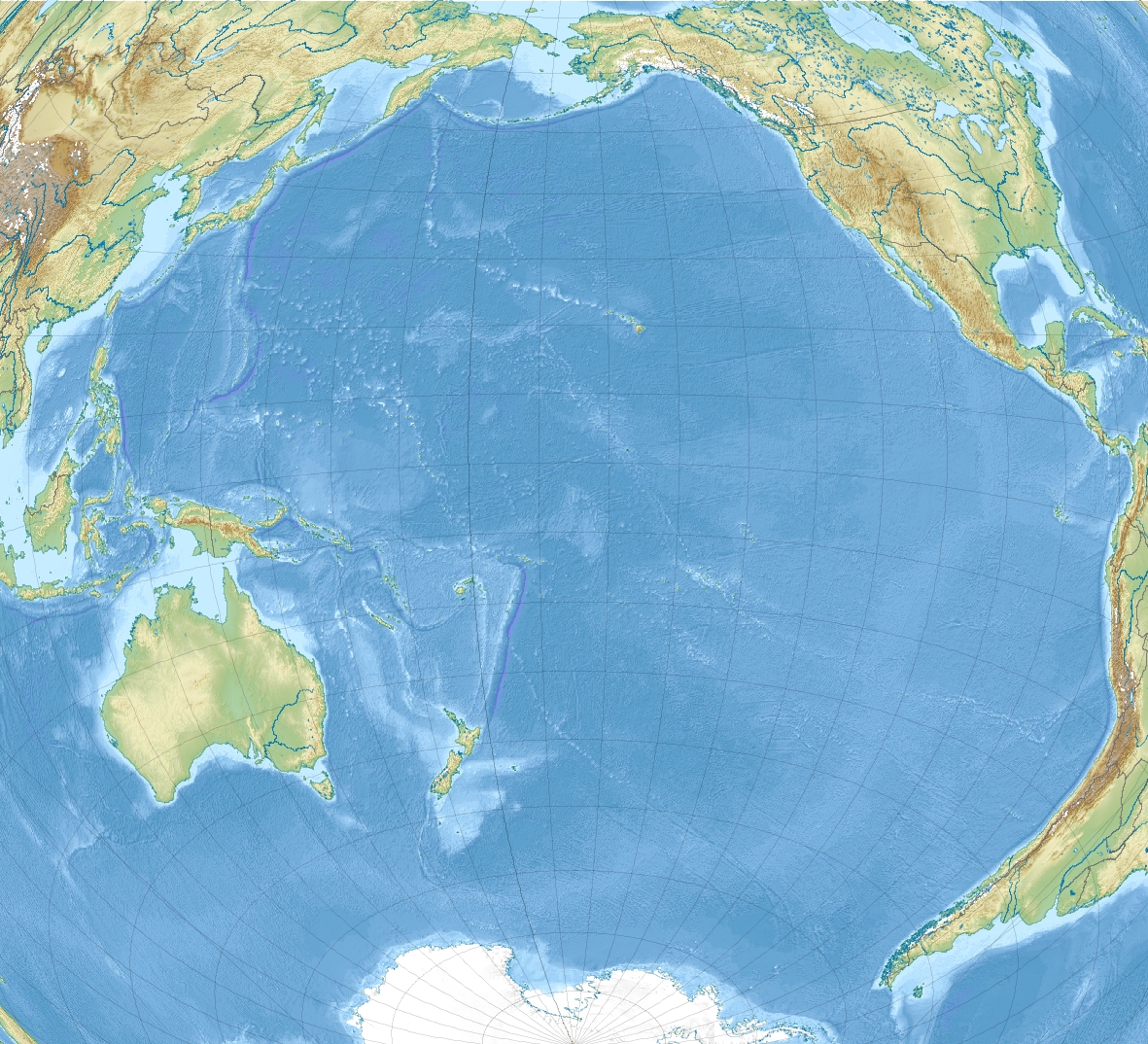
The Philippine Sea lies east of the Philippines and south of Japan, with its northern edge near Taiwan. Part of the western basin of the Pacific Ocean, it stretches toward the Mariana Islands to the east and approaches Palau to the south. The name covers an extensive marine region that connects to adjacent seas and oceanic currents.
Image gallery
8 Images



Physical characteristics
The sea includes broad oceanic basins, island arcs and deep trenches. Notable submarine features include the Philippine Trench and the complex topography near the Mariana region. Strong currents such as the northward-flowing Kuroshio influence water temperature and nutrient transport, while the seafloor records active tectonics along the Philippine Plate boundaries.
Ecology and resources
The Philippine Sea supports rich marine life: coral reefs, pelagic fish (including tuna), cetaceans and migratory seabirds. Its warm tropical waters and varied habitats make it important for fisheries, reef biodiversity and regional food security. Many areas are also valued for scientific research on oceanography and marine ecosystems.
Climate and weather
The sea plays a role in regional climate. It helps steer tropical weather systems and is frequently affected by typhoons and seasonal monsoon shifts. Surface temperatures and currents influence storm development and the distribution of heat and moisture across East and Southeast Asia.
Human use, history and importance
- Economic: major fishing grounds, transit routes for commercial shipping and links between Pacific trade lanes.
- Strategic: historically and presently significant for naval operations and regional security; it was the location of major World War II engagements and remains an area of multinational interest.
- Scientific and conservation efforts: studies of deep-sea geology, biodiversity assessments and marine protected area proposals.
Notable distinctions
The Philippine Sea is defined by its combination of deep ocean trenches, active plate boundaries and biologically productive waters. Its adjacency to multiple nations gives it both ecological value and geopolitical sensitivity, prompting international cooperation and occasional disputes over maritime rights and resource management.
For more detailed maps, oceanographic data and regional studies, consult national agencies and ocean research institutions that focus on the western Pacific basin.
Related articles
Author
AlegsaOnline.com Philippine Sea: Geography, Ecology and Strategic Role Leandro Alegsa
URL: https://en.alegsaonline.com/art/76471
Sources
- commons.wikimedia.org : Philippine Sea
- books.google.com : International Handbook of Earthquake and Engineering Seismology, Part 2, p. 1057