
Alarm (alerting device)
An alarm is a device or system that alerts people to a condition requiring attention, using sound, light, vibration, network messages, or combinations for safety, security, and timekeeping.
An alarm is any device or system designed to draw rapid attention to a condition that requires action. Alarms are used where timely awareness can prevent harm, loss, or missed events. They are found in homes, workplaces, vehicles, hospitals and public spaces, and range from simple mechanical clocks to complex networked emergency systems.
Image gallery
3 Images
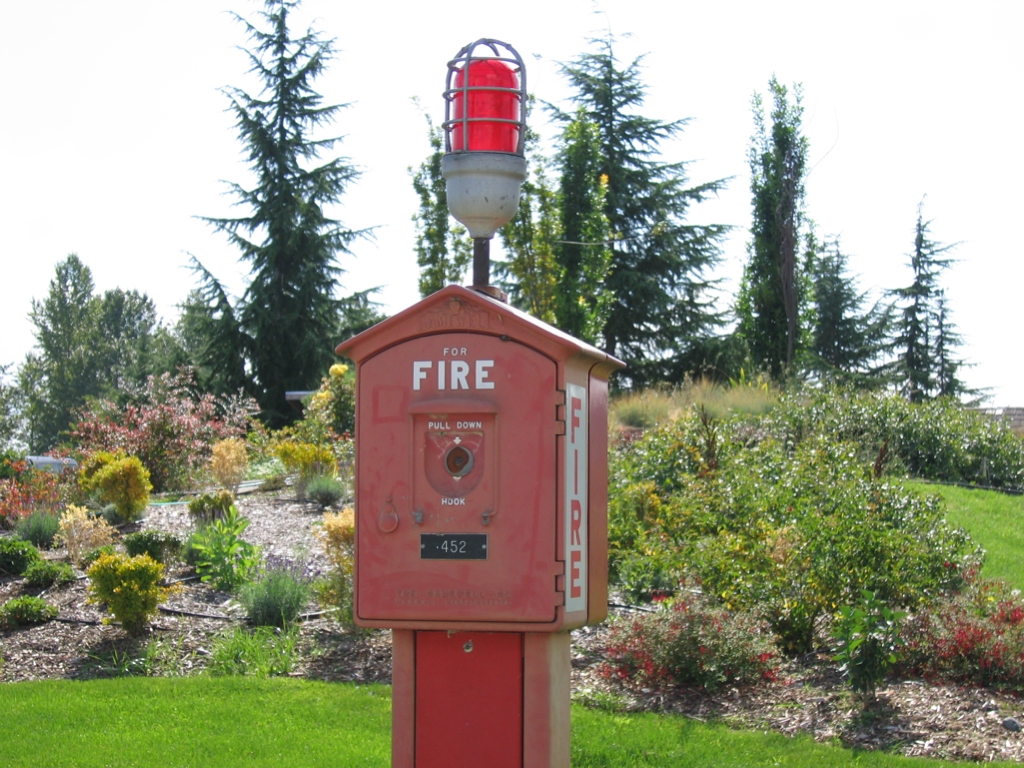

Types and components
Most alarms combine three basic elements: a sensor or input that detects a condition, a decision or control unit that evaluates the input, and an output that notifies people. Common output methods include loud audible tones, flashing or steady lights, and tactile alerts such as vibration. Many modern alarms also send electronic notifications through networks or mobile devices.
- Auditory alarms: sirens, beepers and chimes designed to be heard over ambient noise.
- Visual alarms: flashing strobes, indicator lamps or message displays for noisy environments or hearing-impaired users.
- Tactile alarms: vibrating pads, bed shakers or haptic alerts used for bedside alarms and accessibility.
- Digital/remote alerts: text messages, push notifications and automated calls integrated into building or monitoring systems.
Examples include smoke and carbon monoxide detectors, burglar and intrusion systems, alarm clocks, industrial shutdown alerts, and medical alarms that monitor patient conditions. Each application emphasizes different priorities such as speed, reliability, intelligibility of sound, or minimized false activations.
Historically, alarms began as bells and simple mechanical devices and evolved through electrical sirens to today's software-driven systems with sensors, analytics and remote reporting. Contemporary design also considers human factors: tone patterns, volume levels, and visual contrast to ensure effective recognition and appropriate response.
Challenges with alarms include false alarms, desensitization when alerts occur too often, and the need for regular maintenance and testing. Regulations and industry standards shape installation and performance requirements in safety-critical settings. For further technical references and device examples, see related resources.
Related articles
Author
AlegsaOnline.com Alarm (alerting device) Leandro Alegsa
URL: https://en.alegsaonline.com/art/2001