
Petty officer (naval non-commissioned rank)
A petty officer is a non-commissioned naval rank found in many countries. They serve as technical specialists, supervisors and first-line managers between enlisted sailors and commissioned officers.
Overview
A petty officer is a type of non-commissioned officer in many naval services worldwide. The term identifies enlisted personnel who hold supervisory authority and specialized technical responsibilities above junior rates but below commissioned officers. In general usage the phrase emphasizes the petty officer's role as an intermediary leader and subject-matter expert within a ship, shore command, or squadron. See the concept of non-commissioned officer and the broader context of navies for related roles and structures.
Image gallery
5 Images


Ranks and titles
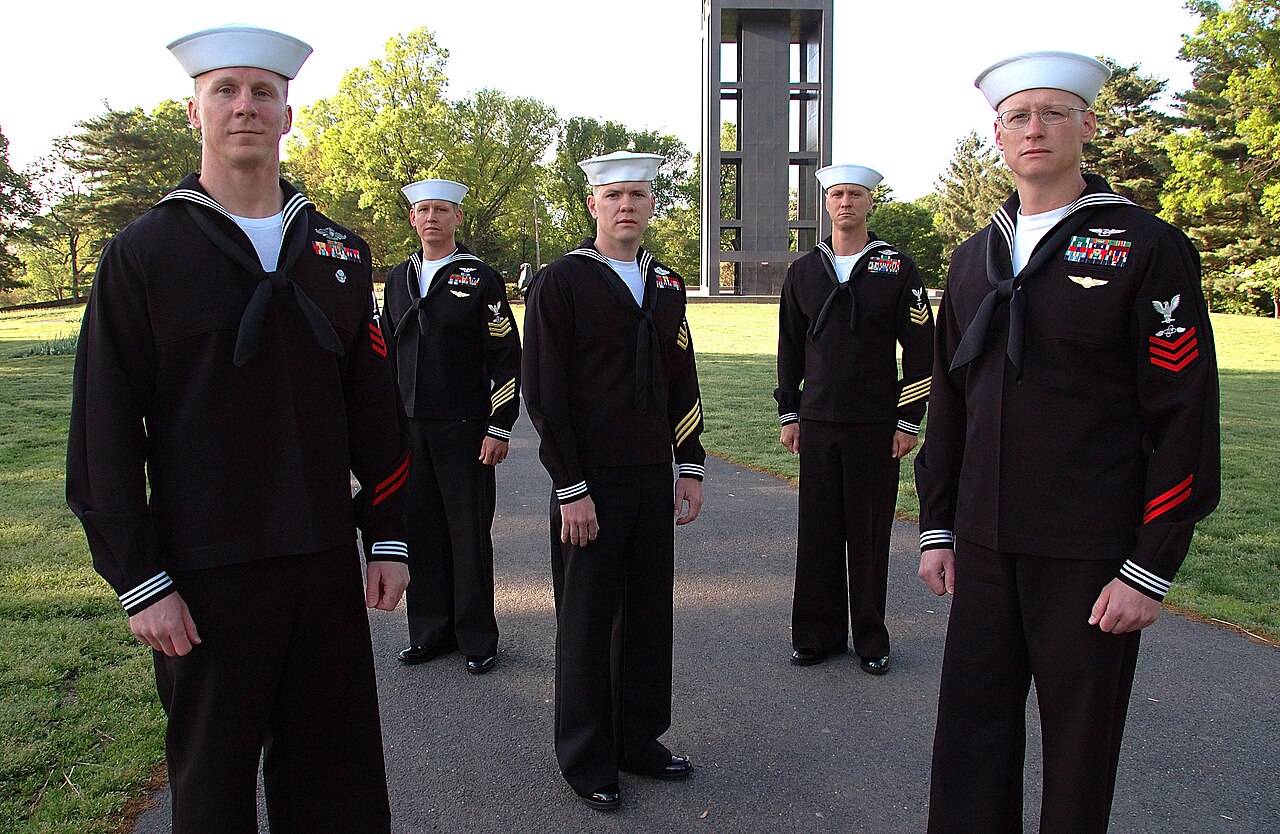
Different navies organize petty officer grades differently. In the United States Navy the petty officer grades span pay grades E-4 through E-9, with E-7 through E-9 bearing the titles Chief, Senior Chief, and Master Chief Petty Officer respectively. These higher petty officer grades combine technical mastery with increased leadership and administrative duties. The US example is described by the United States Navy and is broadly comparable to intermediate enlisted leadership ranks in other maritime services.
Duties and responsibilities
Petty officers typically act as first-line leaders: they train and mentor junior sailors, assign tasks, maintain standards, and manage routine administration. They are often specialists in particular trades—such as engineering, navigation, communications, or weapons systems—and are responsible for the readiness and welfare of the personnel who report to them. In many organizations petty officers function as on-the-job managers and technical supervisors while remaining subordinate to commissioned officers.
Promotion and career progression
Advancement to and within petty officer grades usually depends on a combination of performance evaluations, examinations, time-in-rate requirements, and available vacancies. For example, promotion processes in the US service include written or computerized examinations and periodic performance reviews; selection to senior petty officer grades may also involve centralized boards. General information about promotional mechanisms is summarized under the term promoted.
History and distinctions
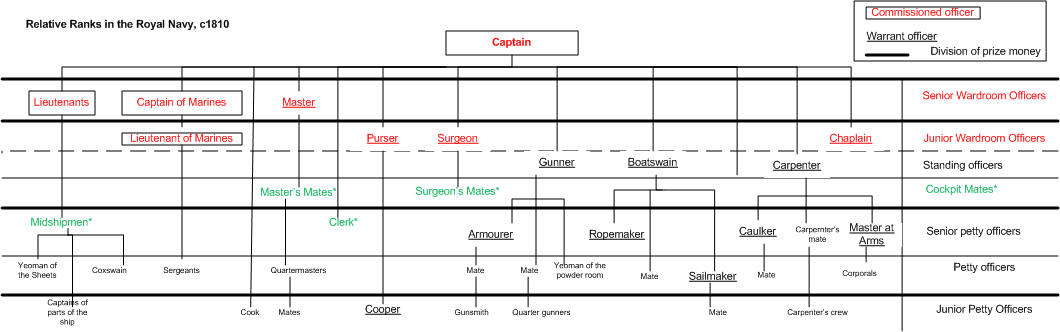
The title "petty officer" has historical roots in naval traditions where "petty" (from a word meaning "small" or subordinate) distinguished junior commissioned or warrant roles from higher command. Over time the petty officer evolved into a clearly defined enlisted leadership tier in many maritime forces around the world. Distinctions to note: petty officers are enlisted leaders (not commissioned officers), they differ from warrant officers who occupy a technical-officer niche, and their exact insignia, privileges and responsibilities vary by nation and service branch.
Common classifications and further reading
- Typical US classifications: Petty Officer Third Class (E-4), Second Class (E-5), First Class (E-6), Chief Petty Officer (E-7), Senior Chief (E-8), Master Chief (E-9).
- Roles include supervision, technical maintenance, small-unit leadership, and instruction of junior personnel.
- For comparative frameworks and career guidance consult official service resources such as pages maintained by naval authorities: management and leadership resources and service branch descriptions at non-commissioned officer references.
Related articles
Author
AlegsaOnline.com Petty officer (naval non-commissioned rank) Leandro Alegsa
URL: https://en.alegsaonline.com/art/76248
Sources
- usmilitary.about.com : "Military Rank History"