
Peterhof: Russian palace ensemble and town on the Gulf of Finland
Peterhof is a historic town near Saint Petersburg known for its palaces, cascading fountains and parks built for Peter the Great; its ensemble is a UNESCO World Heritage Site.
Overview
Peterhof (Petergof), literally "Peter's Court," is a town on the southern shore of the Gulf of Finland close to Saint Petersburg. Home to roughly 65,000 residents, it combines a residential community and university facilities with one of Russia's most famous imperial complexes. One of the campuses of Saint Petersburg State University is located in the town, which anchors Peterhof's modern civic life.
Image gallery
10 Images




Palaces, parks and designation
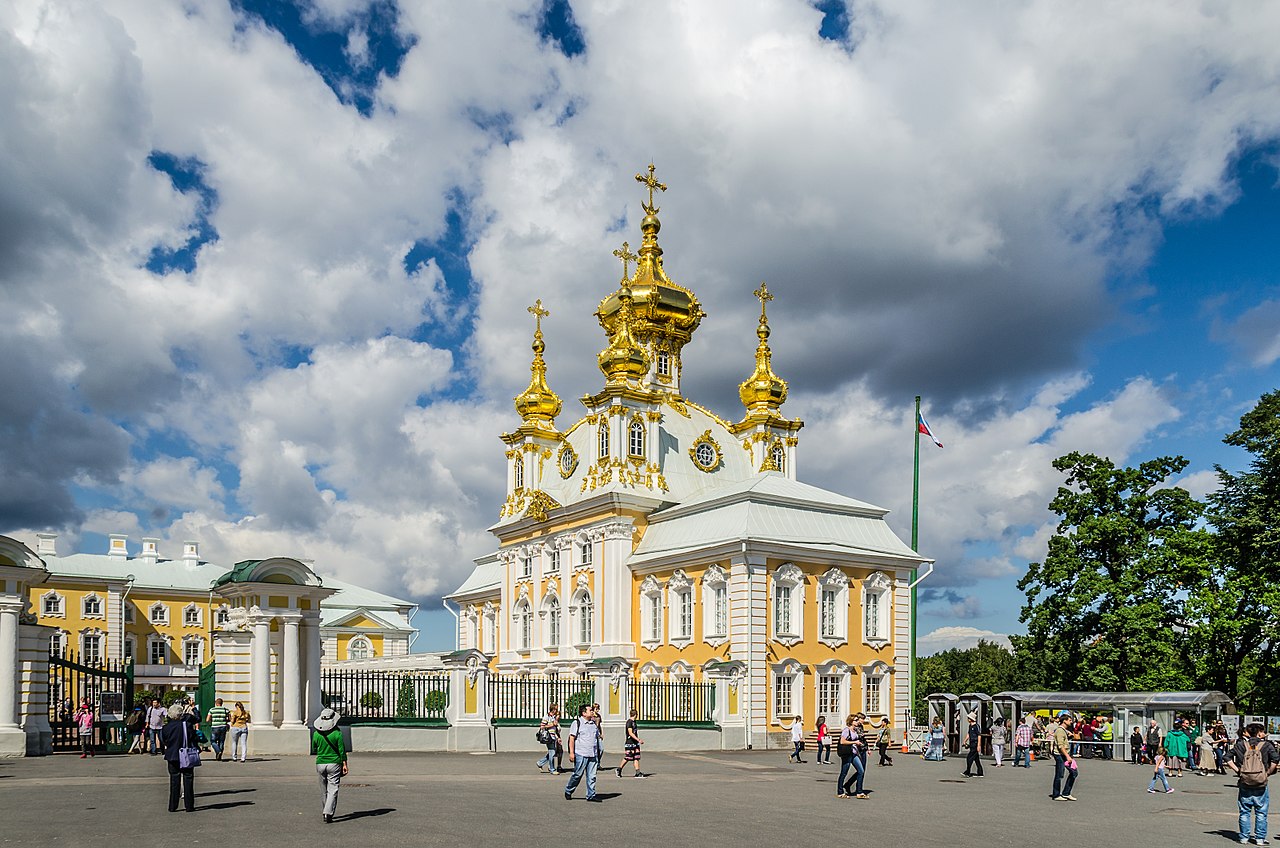
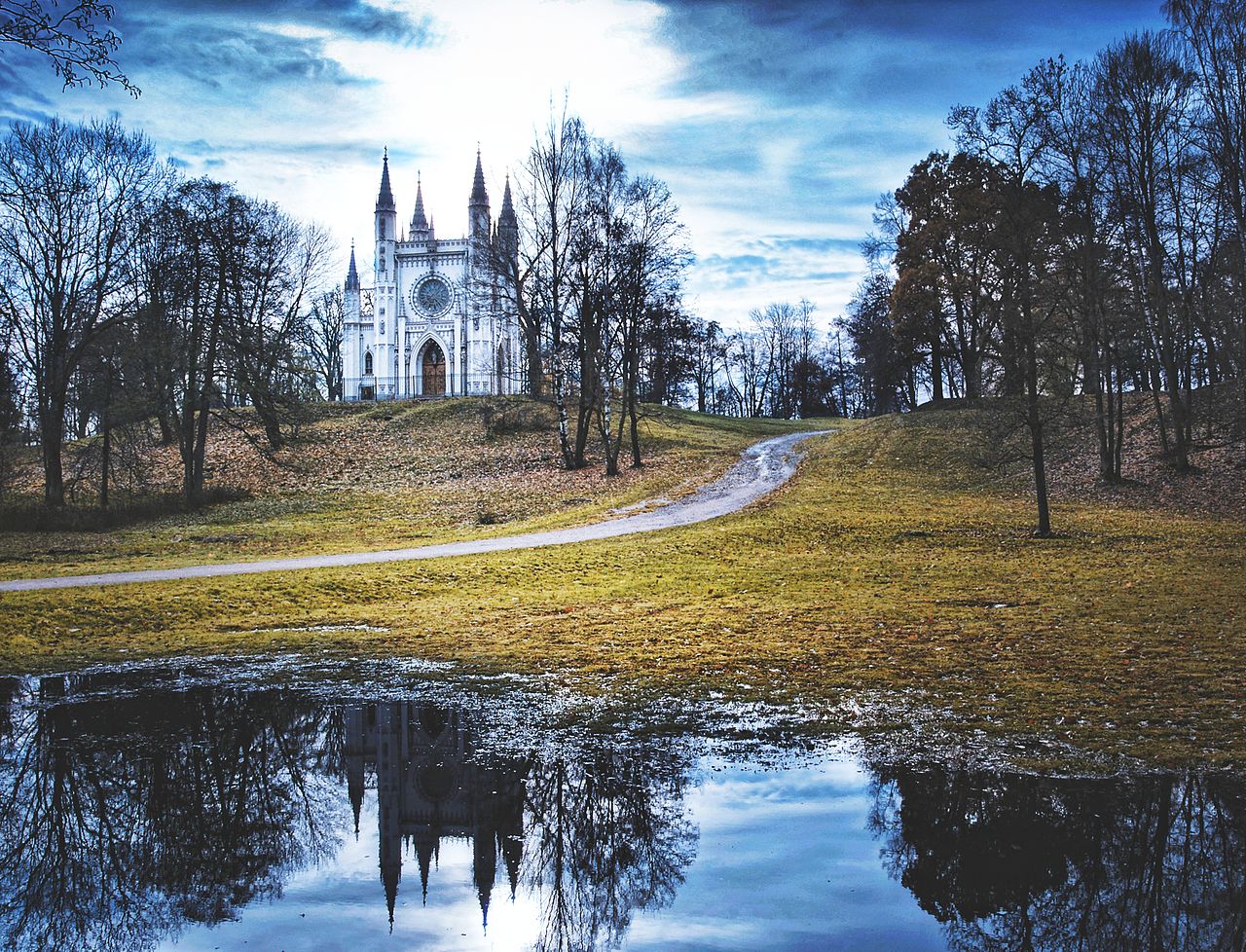
The principal attraction is the palace and park ensemble ordered by Peter the Great in the early 18th century. That ensemble—comprising multiple palaces and extensive gardens laid out along the shore—has often been compared to Western European royal sites and is sometimes called the "Russian Versailles". Because of its architectural and landscape significance, the palace complex and the central parts of Peterhof are inscribed as a UNESCO World Heritage Site.
Characteristics and principal features
The ensemble is organized around a network of terraces, formal gardens and axial views toward the sea. Signature elements include the Grand Palace, the Lower and Upper Gardens, and a celebrated system of gravity-fed fountains that operate without pumps. The Grand Cascade—an elaborate stair of fountains, sculptures and channels—terminates at the Lower Park and includes famous features such as the Samson Fountain and the Marly and Monplaisir pavilions. Smaller decorative palaces, grottoes and avenues extend through wooded areas, creating a sequence of designed outdoor rooms and water effects.
Historical context and strategic site
Peter the Great chose the site for a combination of symbolic and strategic reasons in the early 1700s. The shallow sea floor immediately north and east of the new capital made direct anchorage difficult, while waters to the west of Peterhof dropped to depths suitable for larger vessels. To overcome these navigational constraints he developed the naval and commercial arrangements centered on the new harbor systems and fortifications: a commercial harbor was established to serve Saint Petersburg and a naval stronghold was placed on the approaches across the shallow waters to secure the young capital's fleets and sea routes. These logistical choices shaped the town's relationship to the wider region and to maritime infrastructure such as the nearby harbor and fortress facilities.
Destruction, restoration and modern use
During the 20th century the complex suffered severe damage in World War II when occupying forces destroyed buildings and waterworks. A long postwar program of restoration returned much of the architecture and garden layout to earlier appearance, combining historical research with large-scale conservation. Today the site functions as a museum-reserve and public park, attracting visitors for its ceremonial interiors, decorative arts and the choreography of fountains and alleys.
Visiting and significance
Peterhof remains important for cultural tourism, education and regional identity. Visitors typically combine the palace tours with walks through the Lower Park, boat trips across the Gulf and visits to smaller estate museums. Its mixture of European baroque architecture, innovative hydraulic engineering and connection to the foundation of Saint Petersburg make Peterhof a widely recognized example of imperial Russian landscape design and heritage conservation.
- Maritime conditions near Peterhof (shallow approaches and deeper waters nearby)
- Harbor and commercial links (logistics developed to serve Saint Petersburg)
- Defensive and naval works (fortifications and Kronstadt-related arrangements)
For further official information and visiting details consult local guides and institutional pages maintained by museum authorities and the university administration.
Related articles
Author
AlegsaOnline.com Peterhof: Russian palace ensemble and town on the Gulf of Finland Leandro Alegsa
URL: https://en.alegsaonline.com/art/76179