
Palace of Versailles (Château de Versailles)
A monumental 17th‑ and 18th‑century royal palace near Paris, transformed under Louis XIV into a centre of courtly government, art and gardens; now a museum, site of historic treaties and a UNESCO World Heritage site.
Overview
The Palace of Versailles, commonly called Versailles or in French the Château de Versailles, is a large royal residence and complex in the city of Versailles, to the west of Paris. Originating from a 17th‑century hunting lodge, it was expanded into a vast court palace and landscape ensemble that became the principal seat of royal power under King Louis XIV. Its architecture, interiors and grounds represent important developments in French classicism and Baroque design.
Image gallery
10 Images




Architecture and layout
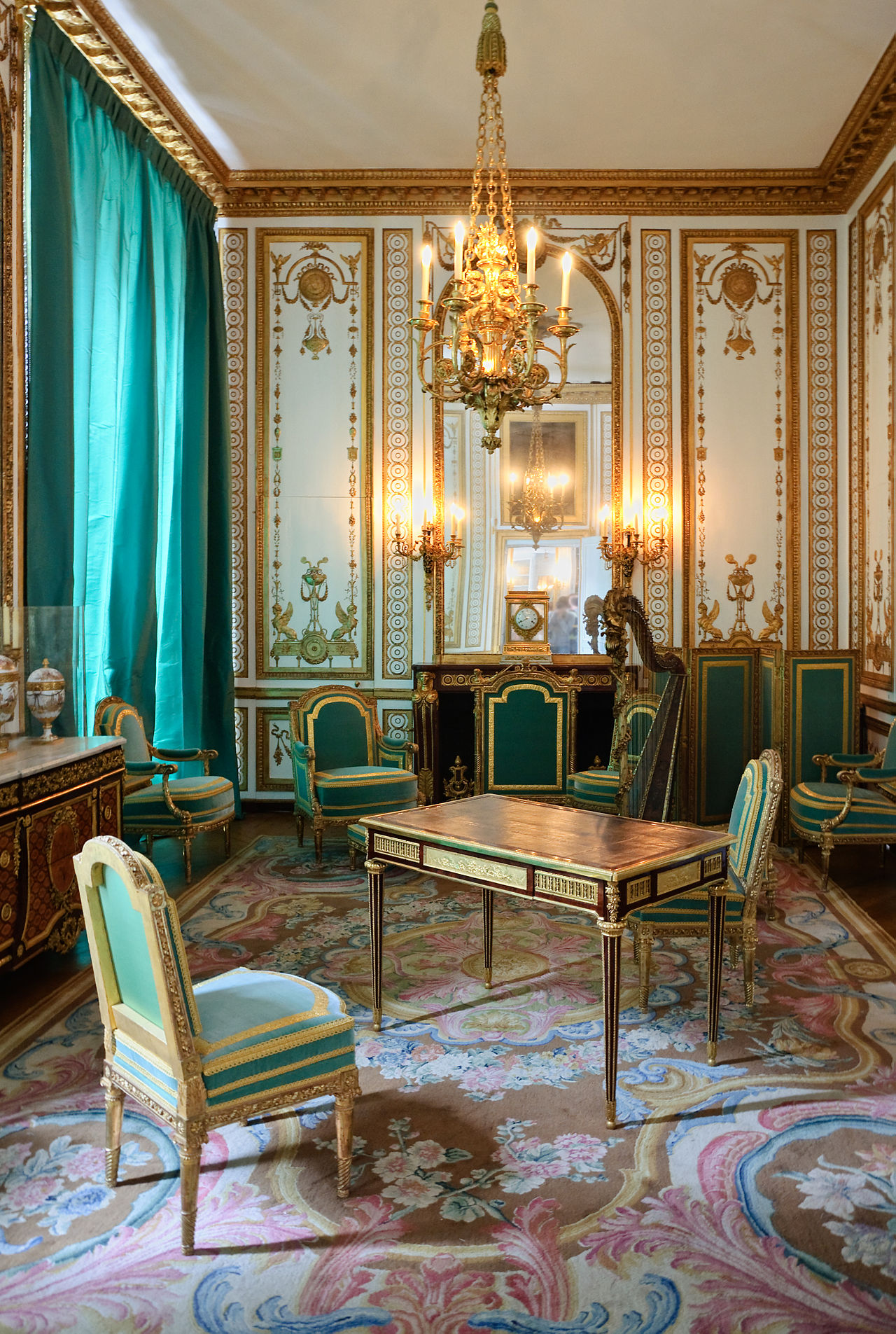
The palace complex blends monumental state apartments, private chambers, galleries and service buildings arranged along formal axes. Prominent architects and artists contributed to its fabric over decades, producing richly decorated salons and façades as well as the celebrated Hall of Mirrors. The planning emphasizes symmetry, procession and hierarchical sequences of spaces that reflected court ritual.
Gardens, fountains and hydraulic works
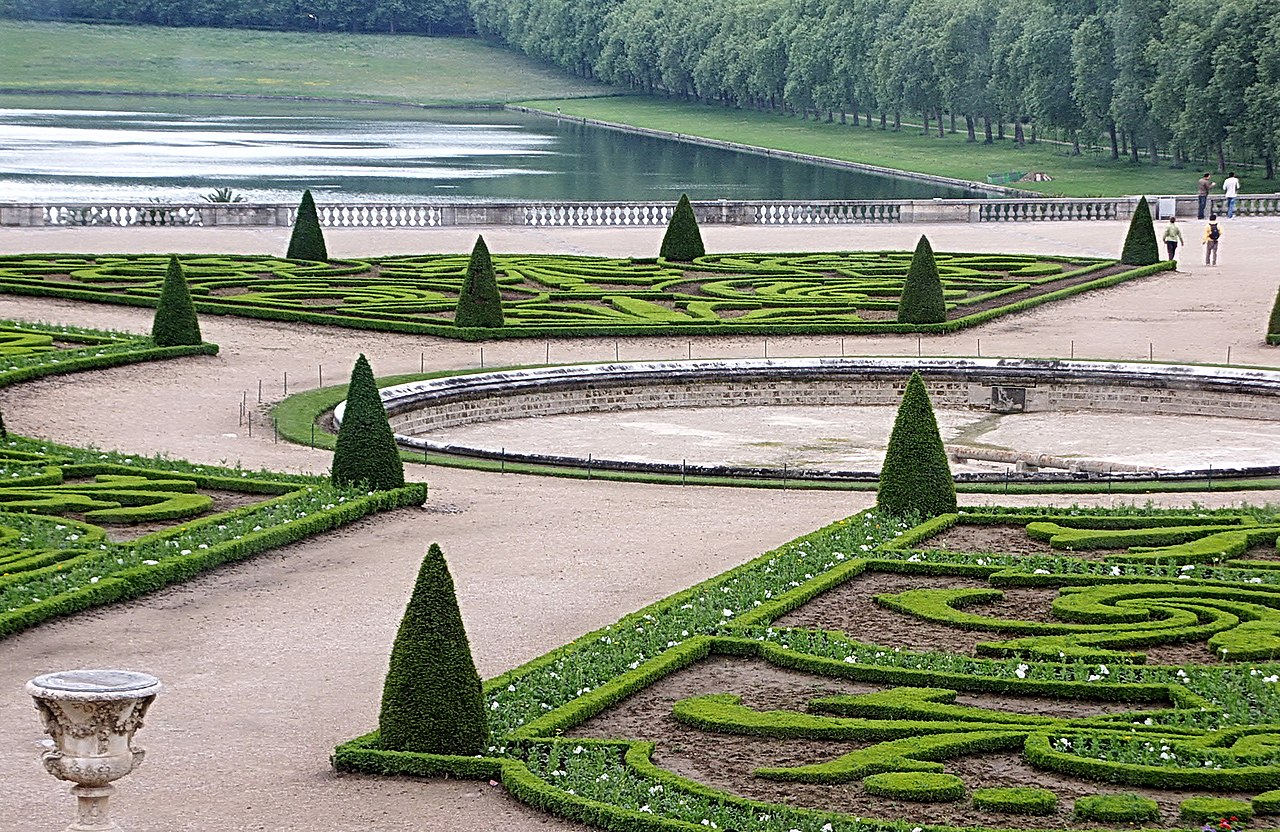
The formal gardens are a defining feature: geometric parterres, broad promenades, woodlands (bosquets), sculptures and an extensive system of fountains and basins create staged views radiating from the palace. The waterworks were a major technical undertaking for the period, requiring pumps, reservoirs and reservoirs-fed systems to supply the fountains. Garden spectacles and musical fountain displays were part of court entertainments and continue today in seasonal events and reconstructions.
History and political role
In the late 17th century Louis XIV established his court at Versailles, making it the centre of government, ceremony and social life for the French monarchy. The spatial organisation and protocols of Versailles helped concentrate noble households near the monarch and organised public and private acts of power. Over the 18th century the palace remained a focal point of royal culture and administration until the French Revolution, when the royal family was compelled to leave the palace and return to Paris.
Trianon palaces and private life
Within the estate are smaller palaces and retreats that offered greater privacy for members of the royal family, most notably the Grand Trianon and the Petit Trianon. These were used for quieter domestic life and informal entertainments, and the Petit Trianon in the late 18th century is commonly associated with Marie Antoinette. Such places illustrate the dual character of Versailles: an open stage for state ritual and a collection of intimate residences.
Revolutionary and later history
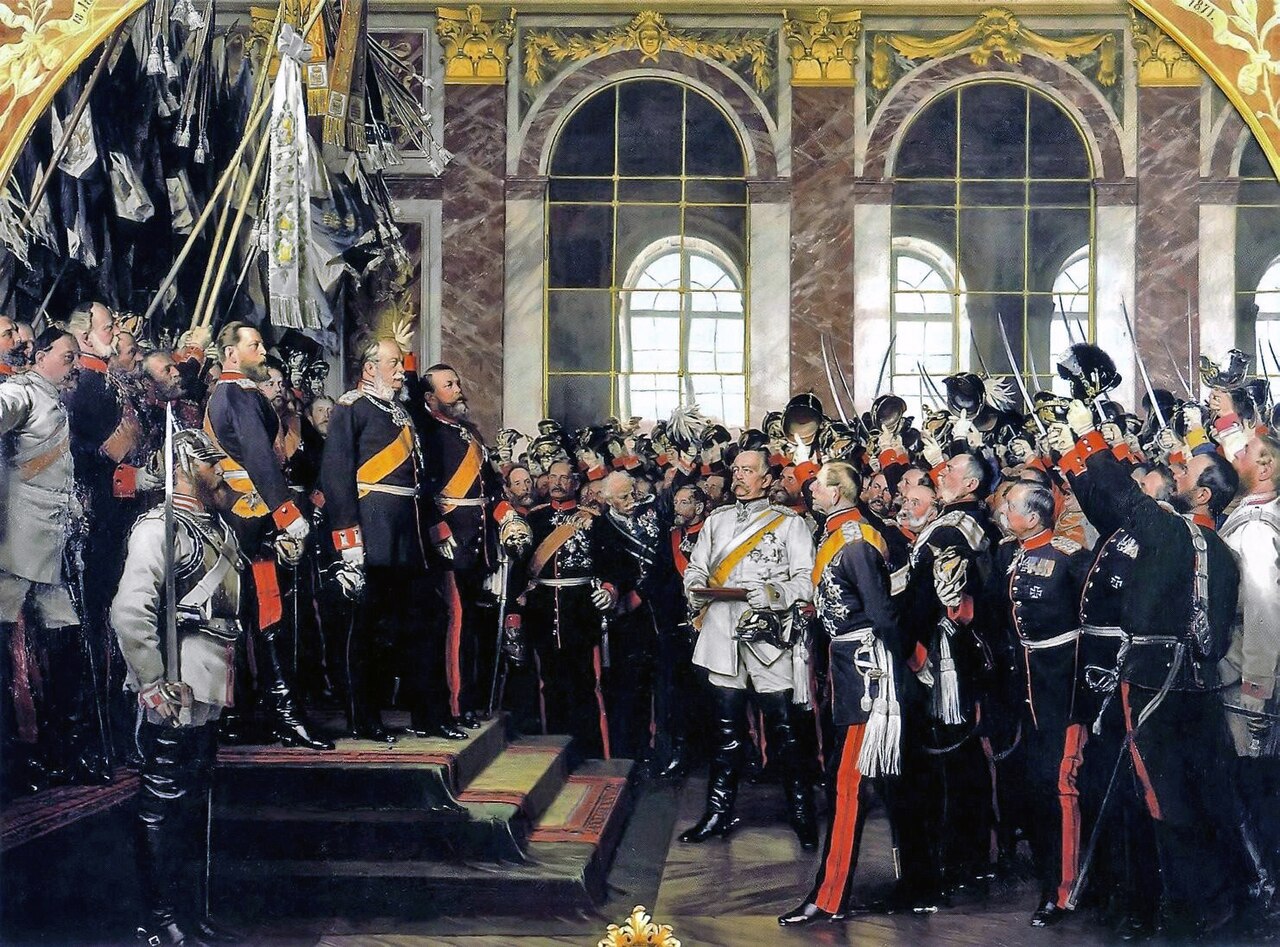
Following the Revolution the uses of Versailles changed. Parts of the complex were repurposed, neglected or adapted during successive regimes. In the 19th century sections were restored and some areas were converted into museums devoted to national history. The Hall of Mirrors later gained renewed international prominence as the location of the 1919 peace negotiations that ended hostilities in World War I.
Museum, heritage and UNESCO status
Today Versailles functions both as a historic monument and as a museum displaying decorative arts, paintings and furnishings that reflect its long history. The site is recognised for its outstanding universal value and is listed as a UNESCO World Heritage site for its architecture, gardens and its influence on European court culture. Interpretive programs, temporary exhibitions and scholarly research continue to refine understanding of the palace's art, politics and society.
Visiting and conservation
Versailles is a major cultural attraction attracting international visitors for its architecture, collections and garden displays. Ongoing conservation and restoration projects address decorative schemes, structural work and the complex hydraulic installations that serve the fountains. Visitor services offer guided tours, educational programs and events that aim to present the palace's artistic achievements and the historical context of court life.
Significance and interpretation
Beyond its material grandeur, Versailles is widely studied as a symbol of monarchical power, court culture and the centralisation of state authority often associated with the term absolute monarchy. Scholars examine how architecture, ritual and patronage at Versailles shaped political relationships and cultural expression in early modern Europe.
Notable facts
- The complex includes the main palace, formal gardens, and subsidiary palaces at Trianon that together formed a courtly landscape.
- The Hall of Mirrors is one of the palace's most famous interior spaces, known for its vault of mirrors facing the gardens.
- Garden design at Versailles set patterns emulated at princely courts across Europe and influenced landscape architecture for generations.
- The palace now hosts exhibitions and public programs that interpret its artistic collections and complex historical roles.
For further details and official visitor information consult the palace's resources and municipal materials. See also official palace information, guides to the city of Versailles, language and archival resources in French, contextual material on greater Paris, and discussions of political symbolism in relation to monarchy.
Related articles
Author
AlegsaOnline.com Palace of Versailles (Château de Versailles) Leandro Alegsa
URL: https://en.alegsaonline.com/art/74104
Sources
- telegraph.co.uk : Reviewed
- telegraph.co.uk : Telegraph