
Peter, Paul and Mary: American folk trio and 1960s cultural voices
Peter, Paul and Mary were a prominent American folk trio of the 1960s, known for harmony singing, hit recordings, social activism and popularizing songs by writers such as Bob Dylan and John Denver.
Overview
Peter, Paul and Mary were an American folk music group formed in the early 1960s. The trio—Peter Yarrow, Paul (Noel) Stookey and Mary Travers—became one of the best-known acts of the 1960s folk revival, combining close vocal harmonies with accessible arrangements that brought traditional and contemporary songs to mainstream audiences.
Image gallery
4 Images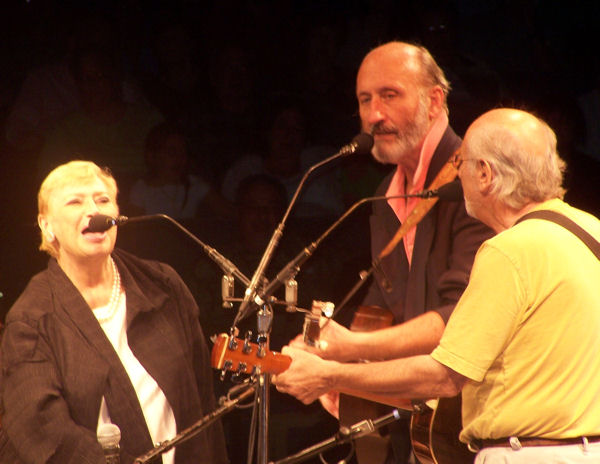


Members and musical character
The trio consisted of Peter Yarrow, Paul (Noel) Stookey and Mary Travers. Their sound emphasized clear three-part harmonies, acoustic guitar accompaniment and straightforward phrasing that showcased lyrics and storytelling. They drew on traditional folk material, contemporary songwriting and adaptations of protest songs, creating recordings that were radio-friendly without abandoning folk roots.
Career highlights and activism
Peter, Paul and Mary rose quickly to national attention with recordings, concert tours and frequent television appearances. They helped introduce wider audiences to songs by younger songwriters, most notably Bob Dylan, recording several of his early compositions and aiding his recognition. The group were also publicly engaged in social causes: they performed at civil rights events, including mass demonstrations, and used benefit concerts and public appearances to support causes of the era.
Notable songs and impact
Their repertoire included enduring recordings such as "If I Had a Hammer," "Puff, the Magic Dragon," and "Leavin' On a Jet Plane," the latter written by John Denver. Their versions of protest and topical songs reached mainstream radio and charts, helping to move folk music into popular culture. Television appearances, including on variety programs and shows such as The Smothers Brothers Comedy Hour, broadened their audience and influence.
Later years and legacy
After disbanding in 1970, they reunited for tours and recorded intermittently, maintaining a presence in the folk community for decades. Their work is often cited for bringing songwriter-focused folk to wider listeners and for blending entertainment with social engagement. They left behind a catalog of recordings and a reputation as advocates as well as performers.
Final notes
The group’s members pursued solo projects while continuing occasional group activities and televised performances. They appeared frequently on television and benefit stages, and their careers intersected with broader cultural figures of the period. Mary Travers underwent chemotherapy treatments for leukemia and died on September 16, 2009. For further reading on the trio, biographies and archival recordings provide detailed chronologies and analyses of their recordings and public work.
Related articles
Author
AlegsaOnline.com Peter, Paul and Mary: American folk trio and 1960s cultural voices Leandro Alegsa
URL: https://en.alegsaonline.com/art/76132
Sources
- digital.library.unt.edu : Hear Peter, Paul and Mary · web.archive.org