
Piano Concerto No. 20 in D minor, K. 466 (Mozart)
Mozart's Piano Concerto No. 20 in D minor, K.466 (1785) is a dramatic three-movement work for piano and orchestra, admired for its emotional intensity, orchestral color and enduring place in the concert repertoire.
Overview
The Piano Concerto No. 20 in D minor, K.466, is one of Wolfgang Amadeus Mozart's best known and most intense concertos. Scored for piano and a classical orchestra, it was composed between January and February 1785 and first performed by the composer himself on 11 February 1785 in Vienna, Austria. The work's minor-key drama and contrasting lyrical episodes make it stand out among Mozart's concertos and contribute to its long-standing popularity with both performers and listeners. The solo part combines moments of virtuosic display with more intimate, chamber-like passages.
Image gallery
5 Images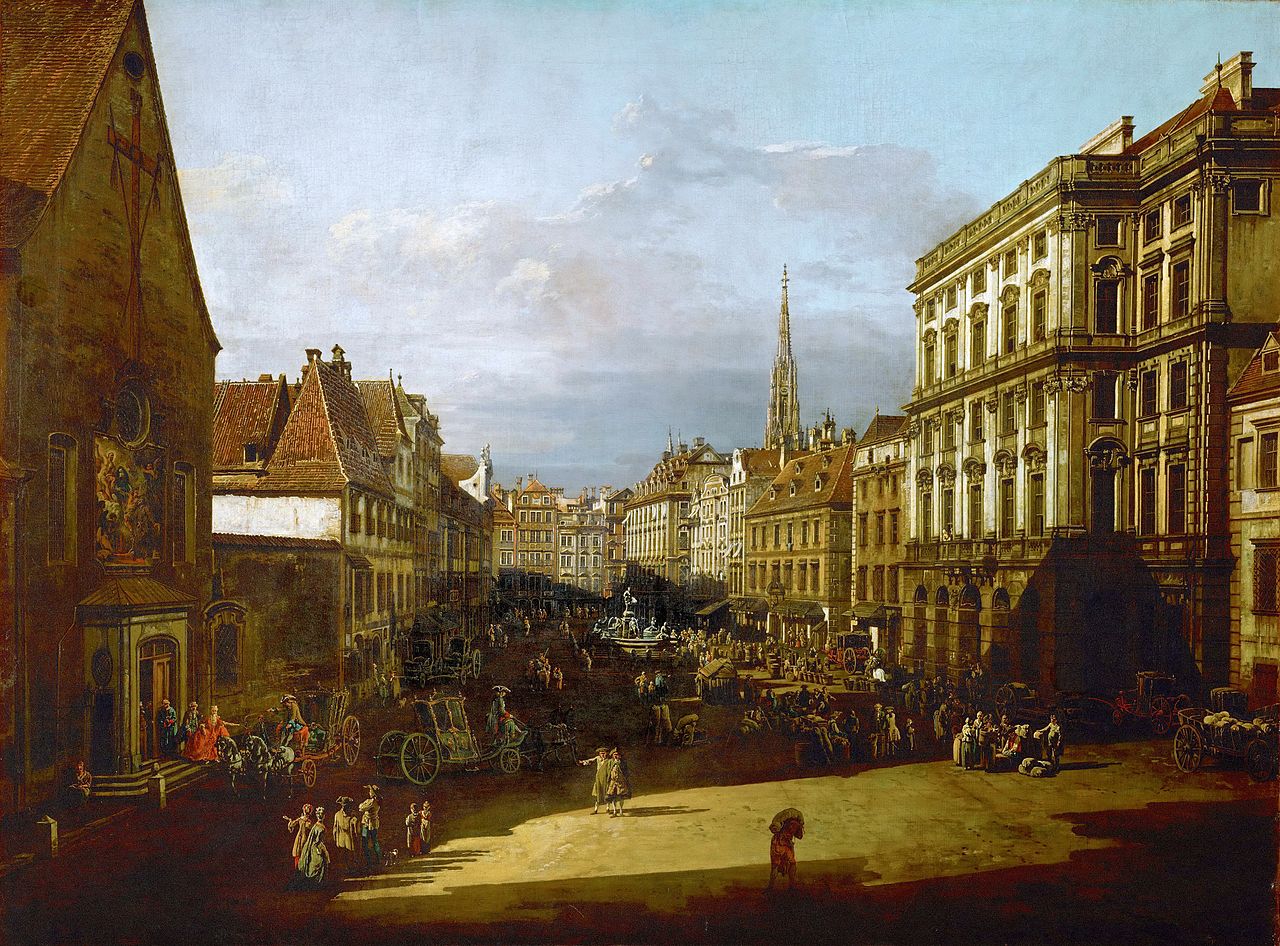


Movements and musical character
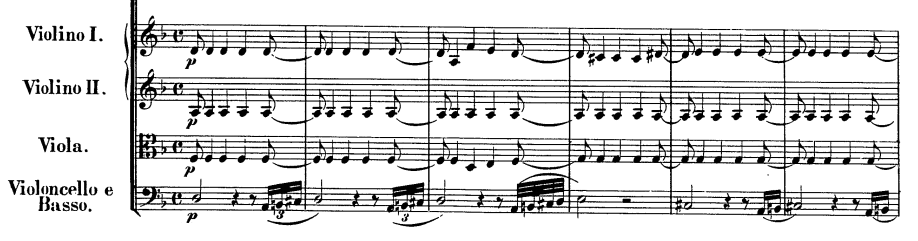
The concerto follows the conventional classical three-movement fast–slow–fast pattern. The opening movement is notable for its urgent, dark mood, frequent use of chromatic harmony and powerful orchestral tuttis that set a dramatic tone. The middle movement offers lyrical contrast: a more reflective, songlike character where the solo instrument engages in cantabile lines supported by delicate orchestral textures. The final movement returns to a livelier, rhythmically driven atmosphere, balancing spirited virtuosity with graceful motifs.
Scoring and instrumentation
The concerto is written for solo solo instrument with an orchestra typical of the late eighteenth century. The orchestration makes effective use of winds and brass alongside strings, often exploiting coloristic contrasts and dynamic extremes to heighten the expressive content.
- Solo instrument: piano
- Ensemble: orchestra with winds, horns, trumpets, timpani and strings
- Form: three movements (fast–slow–fast), with dramatic outer movements and a lyrical central movement
History and premiere
Mozart completed the concerto in early 1785 and presented it in public soon afterwards. The premiere, given by the composer, helped establish the work's reputation for intensity and seriousness. Because it is one of Mozart's few concertos in a minor key, it has often been singled out for its darker sonorities and expressive weight in contrast to many of his other concertos in major keys.
Reception, cadenzas and legacy
The concerto quickly became part of the standard repertory and has remained so to the present day. Later composers and performers admired and engaged with the piece: among them, Ludwig van Beethoven is known to have written cadenzas for this concerto, and successive generations of pianists have offered their own solutions to the work's technical and interpretive challenges. Its recordings are numerous and its presence in recital programs is steady, reflecting both historical significance and ongoing appeal.
Performance practice and study
Performers approach the concerto with attention to contrasts of color, clear articulation, and a balance between soloistic brilliance and ensemble integration. Music students often study the concerto for its expressive range, its demands on phrasing and dynamic shading, and for the way it combines classical forms with moments of heightened drama. For further information on the composer and performance history, see entries on Wolfgang Amadeus Mozart and materials relating to the concerto's first performance.
The Piano Concerto No. 20 remains an essential work in the piano-orchestral repertoire: admired for its emotional directness, orchestral vividness and the creative interplay it requires between soloist and ensemble.
Related articles
Author
AlegsaOnline.com Piano Concerto No. 20 in D minor, K. 466 (Mozart) Leandro Alegsa
URL: https://en.alegsaonline.com/art/76687
Sources
- books.google.com : What to Listen for in Mozart