
Philharmonia Orchestra (London)
London-based Philharmonia is a major symphony orchestra founded as a recording ensemble; known for a wide repertoire, extensive discography, and public concerts, tours and education work.
Philharmonia is a leading London symphony orchestra originally created to make recordings and now active in concert performance, touring and education. Founded in the mid-20th century by record producer Walter Legge, it developed a large discography and a reputation for technical precision and versatility. The ensemble presents concerts in London and abroad and appears frequently in recordings and media projects. For more information see the orchestra's pages: Philharmonia and its activities in London.
Image gallery
9 Images
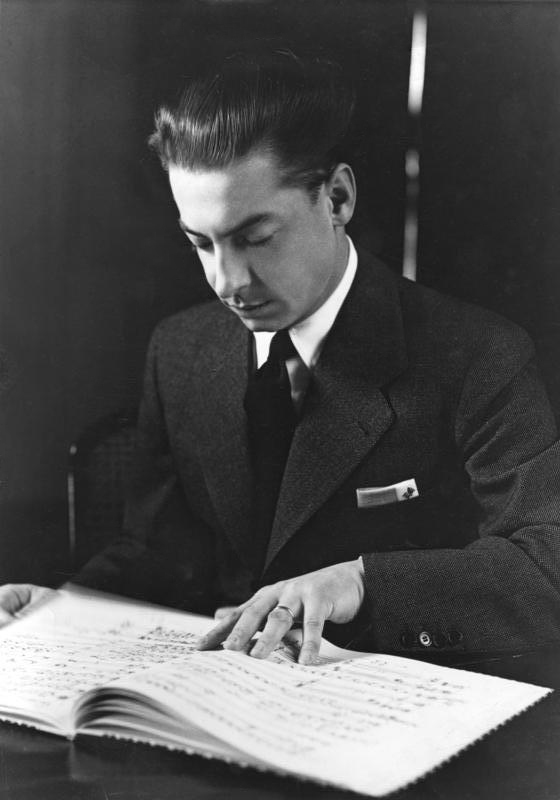


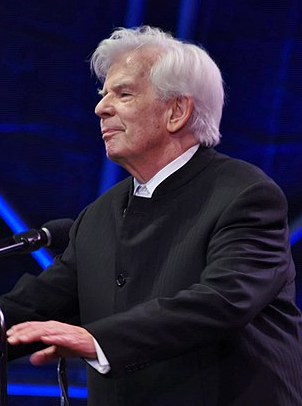

Characteristics and repertoire
The orchestra performs a wide range of repertoire from Baroque and Classical works to contemporary commissions. It is known for its adaptability: studio recording sessions demand different skills than live symphonic concerts or film and media sessions. Philharmonia players are often engaged for commercial recording projects as well as full-length symphonic programmes, and the ensemble collaborates with soloists, choirs and guest conductors on a diverse set of projects.
History and development
Conceived after World War II by a leading record producer, the ensemble began as a group of elite session musicians gathered to create high-quality recordings. Over time it moved beyond the studio, establishing a concert profile in London and internationally. In the mid-20th century the orchestra faced organisational change that led the musicians to take greater control of their future; since then it has operated with a mix of artistic leadership and player involvement.
Recordings, tours and public role
Philharmonia has an extensive recording legacy that spans standard symphonic repertoire and modern works, and it has participated in film and media music projects. The orchestra tours internationally, makes regular appearances in major concert halls, and has been involved in festivals and broadcast projects. Its recorded catalogue has played a role in shaping the modern recorded tradition of orchestral performance.
Education and community work
The orchestra runs outreach and learning programmes designed to broaden access to orchestral music. Activities commonly include workshops, family concerts, school residencies and mentoring for young musicians. These initiatives aim to build audience development and support the next generation of performers and listeners.
- Notable features: strong recording heritage, flexible performing profile, international touring.
- Engagement: concerts in London venues, recordings, education and community projects.
Related articles
Author
AlegsaOnline.com Philharmonia Orchestra (London) Leandro Alegsa
URL: https://en.alegsaonline.com/art/76423
Sources
- worldcat.org : 635928181