
Perseids (Annual Meteor Shower)
The Perseids are a bright, reliable meteor shower produced by debris from comet Swift–Tuttle. Visible annually from mid‑July to late August with a strong peak in early to mid‑August, noted for fast, bright meteors.
Overview
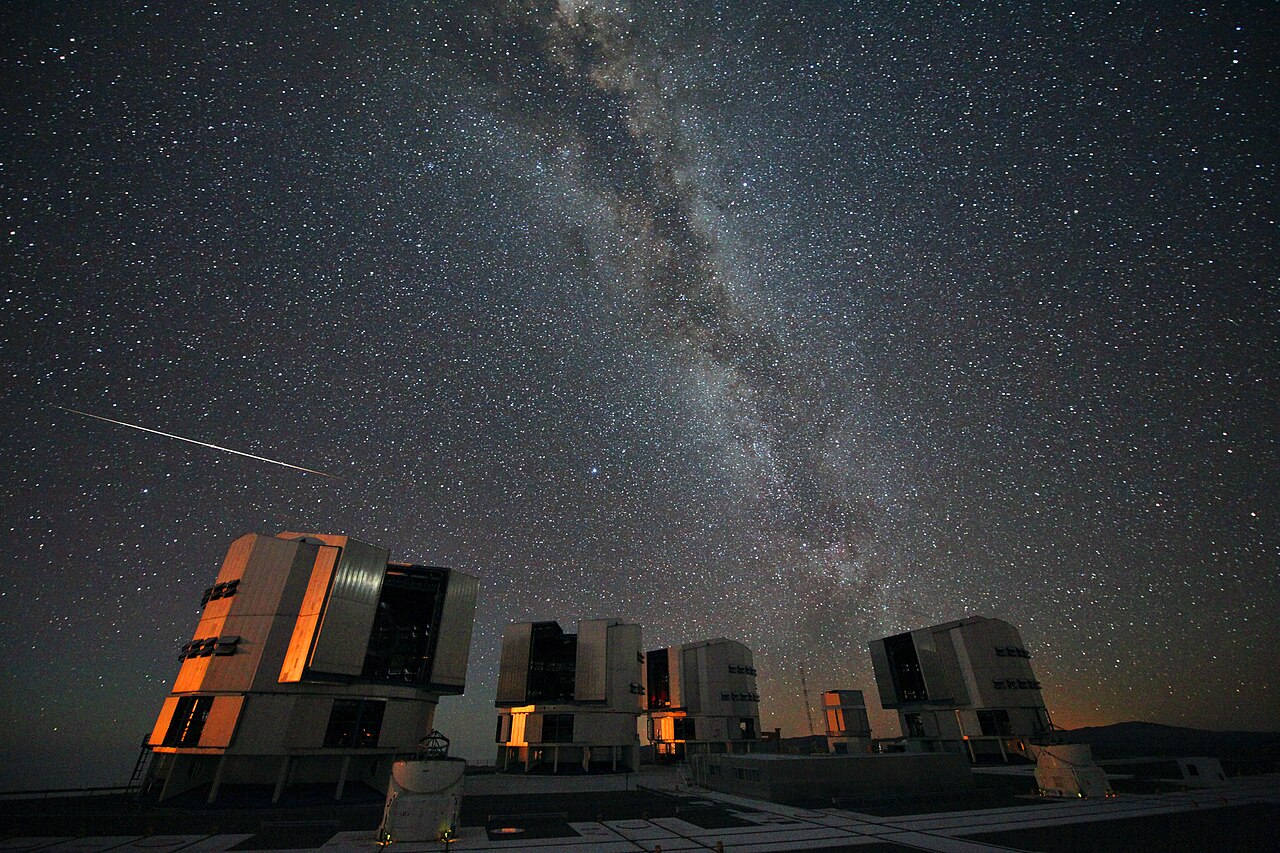
The Perseids are one of the best-known and most observed annual meteor showers. Each year Earth passes through a stream of dust and small particles shed by the comet Swift–Tuttle. As these particles strike the upper atmosphere they heat and ionize, producing the brief streaks of light — meteors — that radiate from a point in the sky within the constellation Perseus. For background on meteor showers in general see meteor showers.
Image gallery
10 Images






Characteristics
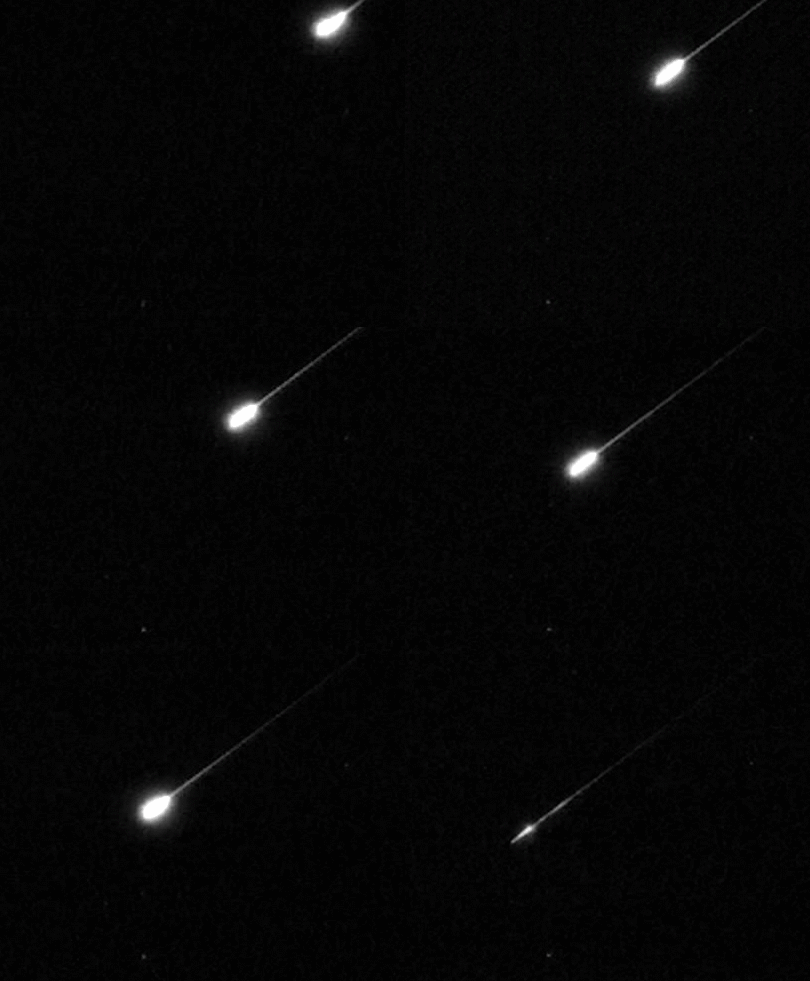
Perseid meteors are typically fast and bright, often producing noticeable persistent trains or brief glowing wakes. The shower is active from roughly mid‑July through late August, with a pronounced peak when Earth crosses the densest part of the debris stream. Under dark-sky conditions the peak can yield tens of meteors per hour and sometimes many more; actual counts depend on sky brightness, weather, and the Moon.
Origins and history
The parent body of the Perseids is comet Swift–Tuttle, a periodic comet discovered in the 19th century. Debris from the comet's repeated passages spreads along its orbit and intermingles with Earth's path. Observations of the Perseids date back centuries, and linking the shower with the comet clarified the connection between comets and meteor streams.
Observing the Perseids
To observe the Perseids, find a dark site away from city lights and allow your eyes 20–30 minutes to adapt to the dark. The radiant in Perseus rises in the northeast after evening; best rates are often seen after midnight when the observer's location is turned into the oncoming stream. Simple tips:
- Lie back and look at a broad area of sky rather than tracking the radiant.
- Bring warm clothing and a reclining chair or blanket.
- Check moon phase and local weather — moonlight can significantly reduce visible rates.
Cultural significance and notable facts
The Perseids have been associated with summer festivals and folklore in many cultures; in some traditions these bright meteors were called the "Tears of St. Lawrence." Astronomically, the shower is valued by observers for its reliability and often impressive display of swift, bright meteors and occasional fireballs. For practical observing updates and predictions consult reliable astronomy resources such as observing guides.
Distinctions
Important distinctions: meteoroids are the particles in space, meteors are their luminous atmospheric trails, and meteorites are any remnants that reach the ground. The Perseids are primarily composed of small, fragile particles that generally burn up entirely in the atmosphere, producing spectacular visual displays rather than recoverable meteorites.
Related articles
Author
AlegsaOnline.com Perseids (Annual Meteor Shower) Leandro Alegsa
URL: https://en.alegsaonline.com/art/75932