
Pericles, Prince of Tyre — Shakespeare's late romance
A clear, expanded encyclopedia entry on Shakespeare's Pericles, Prince of Tyre: plot, characters, authorship questions, themes, textual history and performance highlights.
Overview
Pericles, Prince of Tyre is a dramatic work long associated with William Shakespeare. Commonly dated to about 1608–1609, it was first published in quarto in 1609. The play combines elements of courtly intrigue, sea adventure and domestic reunion; modern criticism often places it among Shakespeare's "romances" rather than his earlier, tight comedies. An online record of the play is available at Pericles, while the author is frequently linked to William Shakespeare. Its tone and structure also recall the late-stage mixtures of wonder and reconciliation that characterize Shakespeare's final plays and is sometimes described or catalogued under the heading comedy or romance.
Image gallery
3 Images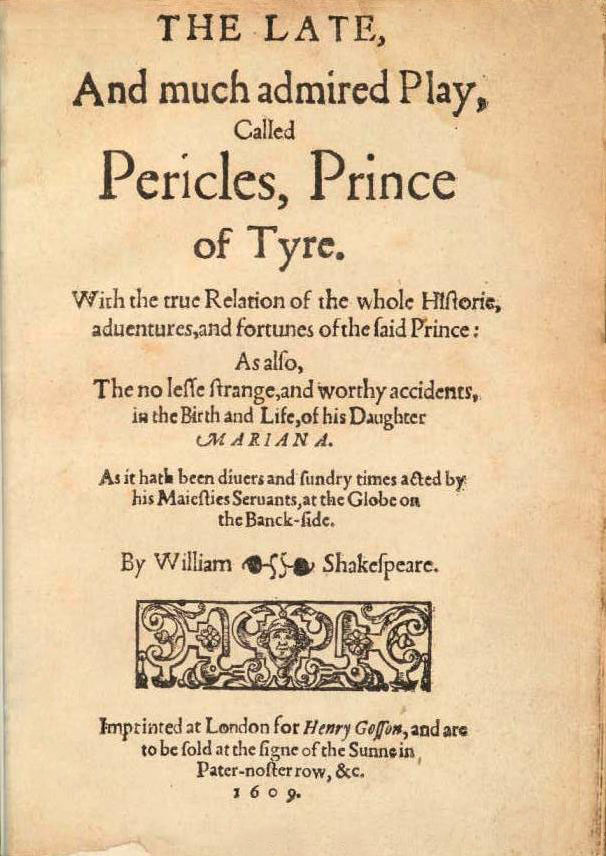


Plot and structure
The narrative follows Pericles, a young prince who flees Tyre after solving a dangerous riddle and thereby offending the incestuous ruler of Antioch. His escape launches a sequence of voyages, shipwrecks and apparent deaths. Along the way Pericles loses and later gains family members: his beloved wife Thaisa and their daughter Marina endure separate hardships including a reported death at sea, abduction, and a childhood spent under threat. The final acts culminate in recognition scenes and emotional reunions in a sacred setting, transforming suffering into restoration.
Principal characters
- Pericles — the title prince and central traveler.
- Thaisa — Pericles's wife, whose fate seems sealed at sea but resolves later.
- Marina — their daughter, who grows into virtue despite trials.
- Antiochus and Dionyza — antagonists whose actions propel the plot.
- Gower — a poet-narrator who frames the story and provides moral commentary.
Sources and authorship
The plot is derived from earlier prose narratives of Mediterranean adventure, notably The Patterne of Painefull Adventures (1576) by Lawrence Twine. Scholarship also points to collaborative composition: many critics accept that Shakespeare worked with another dramatist, often identified as George Wilkins, especially on the early scenes. Textual irregularities in the 1609 quarto and differences in style across the play support the idea of multiple hands.
Themes, style and reception
Pericles explores repeated motifs of loss and recovery, providence, virtue under persecution, and the restorative power of recognition. Its episodic design, use of a narrator figure, and scenes of miraculous reunion distinguish it from tightly plotted comedies. The play's mixture of sensational episodes (shipwrecks, brothel dangers, riddles) with tender domestic reconciliation has attracted varied responses: some readers prize its emotional immediacy, others note uneven dramatic quality likely tied to the play's composite origins.
Performance and legacy
Pericles has enjoyed intermittent revivals from the Restoration to the present, often adapted for contemporary tastes and abbreviated stage versions. Directors and companies continue to explore its vivid set pieces and the theatrical possibilities of maritime spectacle and recognition scenes. As a work on the margins between comedy and romance, it remains important for understanding late Elizabethan and early Jacobean experimentation with tone, authorship and narrative form.
Related articles
Author
AlegsaOnline.com Pericles, Prince of Tyre — Shakespeare's late romance Leandro Alegsa
URL: https://en.alegsaonline.com/art/75798
Sources
- william-shakespeare.info : Pericles, Prince of Tyre