
Sword-and-sandal (peplum) film genre
A cinematic genre set in ancient Greece, Rome or Biblical times—known as peplum—featuring heroic strongmen, mythic plots and a mid-20th-century production peak in Italy and Europe.
Overview
Sword-and-sandal, commonly known by the French-derived term "peplum," is a film genre that stages adventures in antiquity: classical Greece, the Roman world, Biblical narratives or broadly ancient settings. The label peplum refers to a type of classical garment and became a shorthand in Europe for costume spectacles built around heroic action and mythic motifs. These films emphasize physical heroism, spectacle and clear moral oppositions rather than modern psychological realism. For a concise introduction see genre overview or a short definition at film genre guide.
Image gallery
9 Images



Typical characteristics
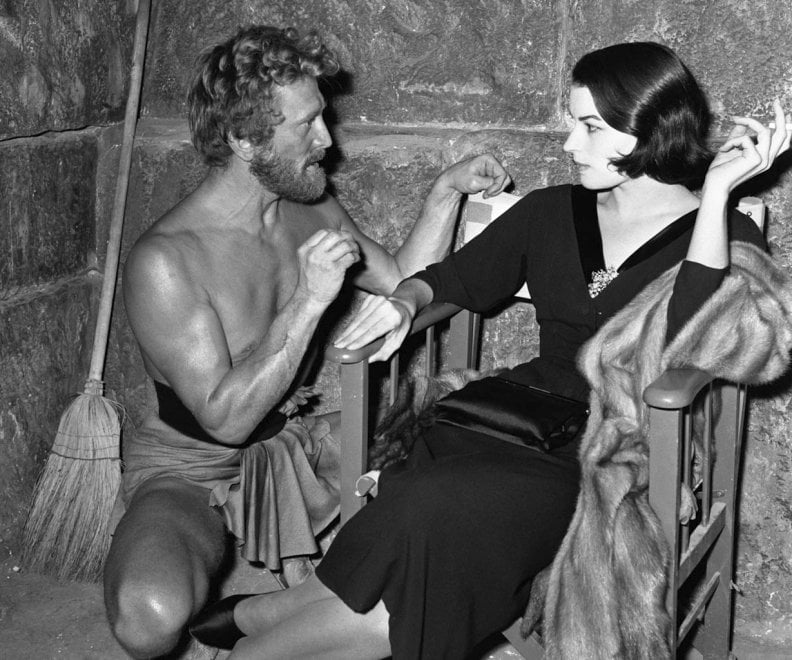
Peplum movies share a set of recognizable elements. Central is a potent protagonist—often a muscular strongman—who may be drawn from myth (for example, Hercules) or legend (such as Samson or the Italian figure Maciste). These heroes typically wear short tunics or a peplum and perform feats of strength, combat tyrants, and confront supernatural threats or monsters. Antagonists include despotic rulers, scheming courtiers, sorcerers and occasionally treacherous evil queens. Plots commonly resolve with the hero restoring order, liberating a people or clan and winning the favour or hand of a noblewoman or princess. Recurring motifs include gladiatorial combats, imperial politics, rebellions of a clan or tribe, and the opposition between freedom and despotism.
Historical development
Although cinematic spectacles of antiquity appear early in film history, the peplum revival most associated with the term took place in Europe—especially in Italy—in the decades following World War II. Italian producers and studios created numerous lower-budget epics that catered to a mass market, often inspired by successful large-scale Hollywood productions. These Italian films were influenced by and sometimes marketed against big-budget Hollywood epics such as Spartacus, offering alternatives that emphasized action, myth and star physicality. The international boom of peplum filmmaking largely diminished as audience tastes shifted toward other popular genres, notably the Spaghetti Western.
Production, style and reception
Peplum films were frequently economical in production values: sets and costumes were reused, stock footage circulated between productions, and films were commonly dubbed for export. This economy contributed to a distinctive aesthetic—broad acting styles, bold editing for action set pieces, and clear narrative arcs centered on heroism. Critics often dismissed many titles as formulaic or exploitative and sometimes treated the cycle with contempt. Nevertheless, some directors and commentators viewed the cycle as a form of "neo-mythology," a renewed cinematic engagement with classical material. Parallel large-scale prestige productions starring actors such as Charlton Heston—for example Ben-Hur—and other studio spectacles like Cleopatra represent related traditions in which antiquity functioned as a setting for major studio drama.
Legacy and influence
Although mainstream popularity declined, sword-and-sandal films left a lasting imprint on popular culture. They influenced later sword-and-sorcery cinema, television serials, comic-book adaptations and an enduring interest in mythic heroes. Many peplum titles survive as cult classics and are the subject of scholarly reassessment that explores how cinema adapts and reinvents ancient stories. Retrospectives and home-video collectors often highlight these films for their combination of costume spectacle, action choreography and a particular model of performative masculinity that defined a notable chapter in mid-20th-century filmmaking.
Notable features and references
- Classic hero types: muscle-bound champions drawn from myth and legend such as Hercules and Samson.
- Frequent foes: corrupt rulers, sorcery and fantastic creatures.
- Production context: predominantly Italian studios producing internationally co‑financed films and dubbed releases.
- Further reading and resources: introductory overviews, filmographies and archival collections provide listings and critical essays; see general discussions at genre overview and curated guides at film genre guide.
Related articles
Author
AlegsaOnline.com Sword-and-sandal (peplum) film genre Leandro Alegsa
URL: https://en.alegsaonline.com/art/75706