
Pentagon Papers: the Vietnam study that reshaped U.S. public debate
The Pentagon Papers were a classified Department of Defense history of U.S. involvement in Vietnam (1945–1967) leaked in 1971. Their publication revealed internal doubts, policy debates, and government secrecy.
Overview
The Pentagon Papers is the popular name for the classified report formally titled Report of the Office of the Secretary of Defense Vietnam Task Force. Commissioned by the U.S. Department of Defense, it examined American political and military involvement in Vietnam from the end of World War II through the mid-1960s. The study compiled internal memos, policy reviews, and historical accounts intended for government use rather than public distribution. Its release in 1971 fueled national controversy over secrecy, executive power, and the role of the press.
Image gallery
8 Images


Contents and characteristics
The study assembled a wide range of primary material: internal assessments of military and political strategy, chronologies of decisions, and transcripts of interagency discussions. Rather than a single narrative, it consisted of many volumes and appendices that recorded how successive administrations evaluated the war, their projections, and the information that informed escalation decisions. The documents show differences between public statements and private evaluations of progress, risks, and prospects.
Leak, publication, and legal battles
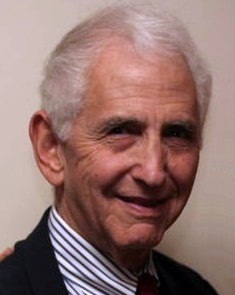
Daniel Ellsberg, a former defense analyst who worked on the study, provided photocopies of sections to journalists and to members of Congress. He became the central figure in the chain that led to publication. The New York Times and other outlets began publishing excerpts in 1971, triggering immediate legal challenges by the government. In a landmark decision, the U.S. Supreme Court sided with the newspapers and limited prior restraint on publication, a ruling that affirmed strong protections for the press while highlighting tensions between national security claims and the public’s right to know.
Impact and significance
Publication of the study influenced public understanding of the war by revealing internal doubts and disagreements among policymakers and by documenting episodes that contradicted official statements. The disclosures intensified debate about conduct of the war, helped shape public opinion, and contributed to broader scrutiny of executive decision-making. The episode also shaped later discussions about classification, whistleblowing, and legal protections for both the press and government insiders who disclose information.
Legacy and access
- The release is often cited in debates over transparency, accountability, and the balance between secrecy and public oversight.
- Legal and political fallout from the leak prompted changes in how secrecy and leaks are handled and how whistleblowers are treated.
- Over time many volumes and redacted copies became available to researchers and the public, making the study a key primary source for historians of the Vietnam era.
Further reading: For institutional context see the Department of Defense materials; for the subject matter covered by the study see resources on U.S. involvement in Vietnam. Biographical information about the person who released the papers is available under Daniel Ellsberg. Contemporary reporting began with publications such as The New York Times, and analysis of government decision-making often refers to the role of the Johnson Administration in the period surveyed.
Related articles
Author
AlegsaOnline.com Pentagon Papers: the Vietnam study that reshaped U.S. public debate Leandro Alegsa
URL: https://en.alegsaonline.com/art/75627
Sources
- upi.com : "The Pentagon Papers"
- nytimes.com : "Vietnam Archive: Pentagon Study Traces 3 Decades of Growing U.S. Involvement"
- nytimes.com : "25 Years Later;Lessons From the Pentagon Papers"