
Pelagianism: beliefs, history, and theological significance
Pelagianism is a late‑antique Christian position, associated with Pelagius, that denied inherited original sin and affirmed strong human free will; it was judged heretical by early councils and shaped debates on grace.
Overview
Pelagianism is the name given to a collection of theological views associated with Pelagius, a British ascetic active in the late fourth and early fifth centuries. In broad terms Pelagian thought denied that human beings inherit a corrupt nature from Adam and held that newborns are not sinners by nature. It emphasized human moral capacity and personal responsibility: persons can choose good without an inner, overpowering necessity to sin and can respond to moral truth through their own will.
Image gallery
3 Images

Origins and the figure of Pelagius
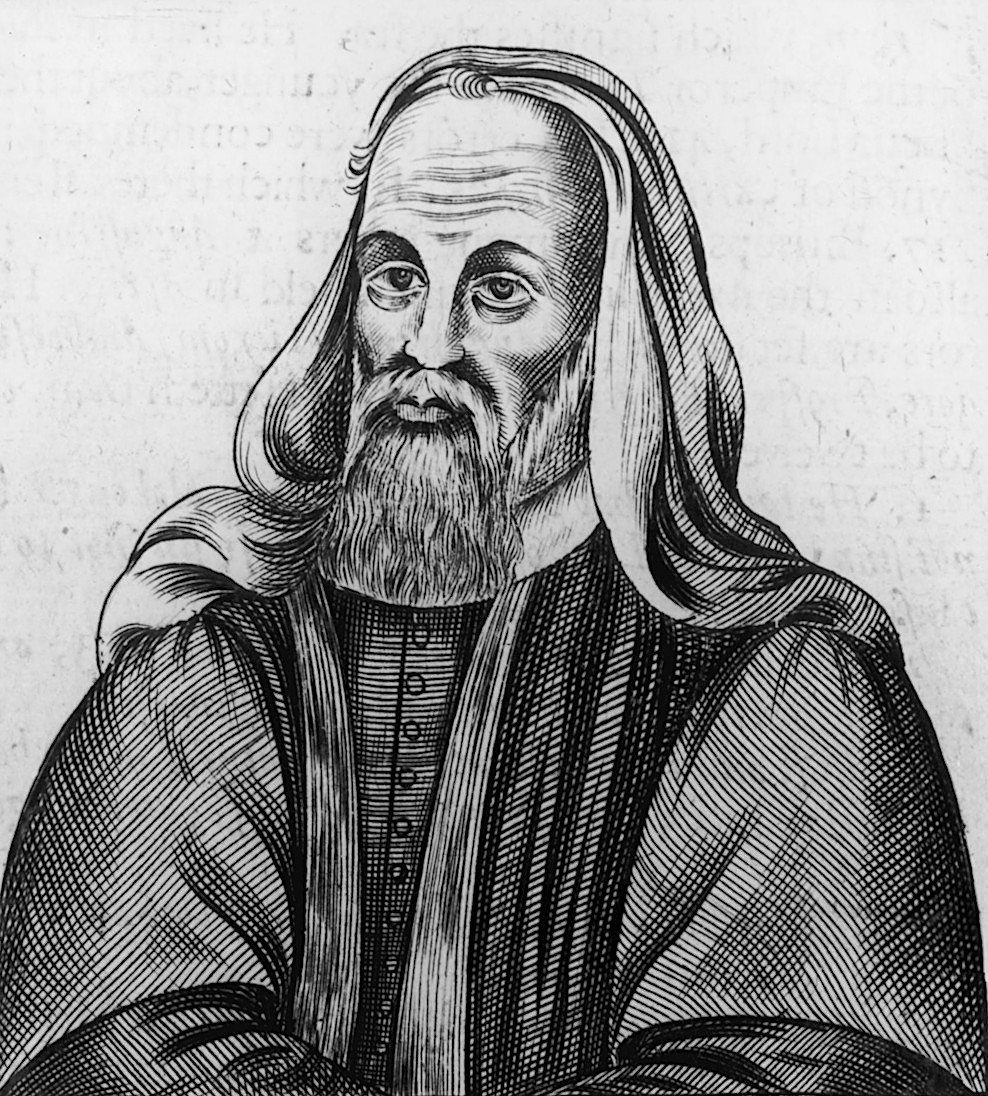
Pelagius was a monk and teacher whose letters and exhortations circulated in Rome and other parts of the Western church. He stressed moral exhortation, discipline, and the imitation of Christ. In later polemical accounts Pelagius became the representative for a broader set of claims about sin, freedom, and grace; modern scholars often distinguish between what Pelagius himself wrote and how opponents labelled a range of positions as "Pelagian." For discussion of related biblical and theological categories see original sin.
Core doctrines
Typical elements ascribed to Pelagianism include the affirmation of robust human free will, the denial that Adam's transgression transmitted guilt or a corrupt nature to his descendants, and a construal of divine help as primarily external guidance rather than an internal, irresistible transformation. Christ is often presented in Pelagian descriptions as a moral example and teacher as well as the means of pardon; see treatments that emphasise the role of Jesus as exemplar. Debates turned on what is meant by Divine aid and how grace operates with human choice.
Opposition and councils
Pelagian positions provoked sustained controversy with theologians who argued that human nature had been wounded by Adam and therefore required prevenient and enabling grace. Augustine of Hippo was the most prominent opponent, insisting that divine grace is necessary for any truly good act and for salvation. Several regional synods in the early fifth century condemned teachings identified with Pelagianism; those judgments were later reaffirmed in other official pronouncements and papal letters—see summaries of council decisions and conciliar responses.
Related movements and distinctions
Historians and theologians have drawn distinctions between strict Pelagianism and intermediate positions. "Semi‑Pelagianism" is a later descriptive term applied to those who accepted some role for grace while affirming an initiating human assent. Over time the label "Pelagian" was sometimes used polemically to describe opponents thought to exaggerate human autonomy.
Legacy and modern perspectives
As an organized movement Pelagianism did not survive long after its condemnation, but the issues it raised—about sin, responsibility, and the cooperation of human will with divine action—remain central to Christian theology. Some modern writers suggest that Pelagius has been misunderstood and that his emphasis on moral effort had pastoral aims. In studies of early British and Irish Christianity Pelagius is sometimes discussed in the context of Celtic Christianity and local ascetic practices. For general readers the controversy is a useful lens on how ancient debates shaped later doctrines of grace, ethics, and pastoral care.
- Key point: Pelagianism stresses human moral capacity; opponents stress the necessity of grace.
- Historical outcome: Teachings identified as Pelagian were condemned by early fifth‑century synods and later church authorities.
- Why it matters: The dispute clarified theological language about sin, freedom, and divine assistance and continued to influence Christian thought.
For introductions and further reading consult surveys of late antique theology and accessible summaries that treat original sin, free will, the meaning of Divine aid, the place of Jesus in early soteriological debates, synodal judgments (council summaries), and studies of regional traditions like Celtic Christianity.
Related articles
Author
AlegsaOnline.com Pelagianism: beliefs, history, and theological significance Leandro Alegsa
URL: https://en.alegsaonline.com/art/75478