
Celtic Christianity: origins, practices, and cultural legacy
Survey of early medieval Christian communities in Ireland, Britain and nearby islands: their monastic structures, liturgical and devotional distinctives, art and literature, notable figures, controversies, and legacy.
Overview
Celtic Christianity is a descriptive term for the forms of Christian life that developed in Ireland, Scotland, Wales, the Isle of Man, and parts of northern England and western Britain in the early Middle Ages. It does not denote a single, unified church but rather a collection of regional practices and institutions that shared emphases such as monastic leadership, devotion to local saints, distinctive liturgical customs, and a prolific culture of learning and art. Scholars use the label with care because these communities interacted with the wider Western church and changed over the centuries.
Image gallery
10 Images




Characteristics and organization
Religious organization in these regions was often organized around monasteries rather than a purely diocesan structure typical on the Continent. Monasteries functioned as centers of worship, education, manuscript production, hospitality, and local administration. A strong ascetic and communal monastic ethos, penitential literature that guided confession and penance, and particular methods for calculating liturgical dates (notably the date of Easter) are commonly cited as distinguishing features. Cultural practices such as particular tonsures and local saint cults contributed to regional identity, though many individual communities adopted continental norms over time.
History and development
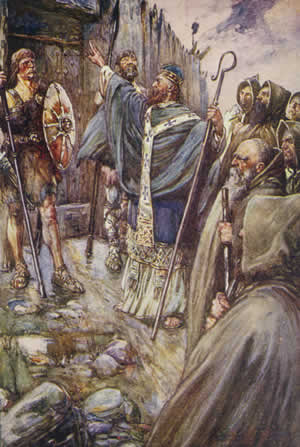
Christianity reached these islands by a mix of late Roman contact, missionary activity, and indigenous conversion during the 4th to 7th centuries. Missionary leaders and monastic founders—figures traditionally associated with this period include Patrick in Ireland, Columba of Iona, Aidan of Lindisfarne, and later Columbanus on the Continent—played prominent roles in establishing communities of prayer and learning. From the seventh century onward there were debates about differences in practice, most famously addressed at the Synod of Whitby (664), where Northumbrian rulers aligned their kingdom with Roman practice in certain matters such as the dating of Easter. Such debates led to gradual integration with broader Western norms while local traditions persisted in many places.
Practices, art, and literature
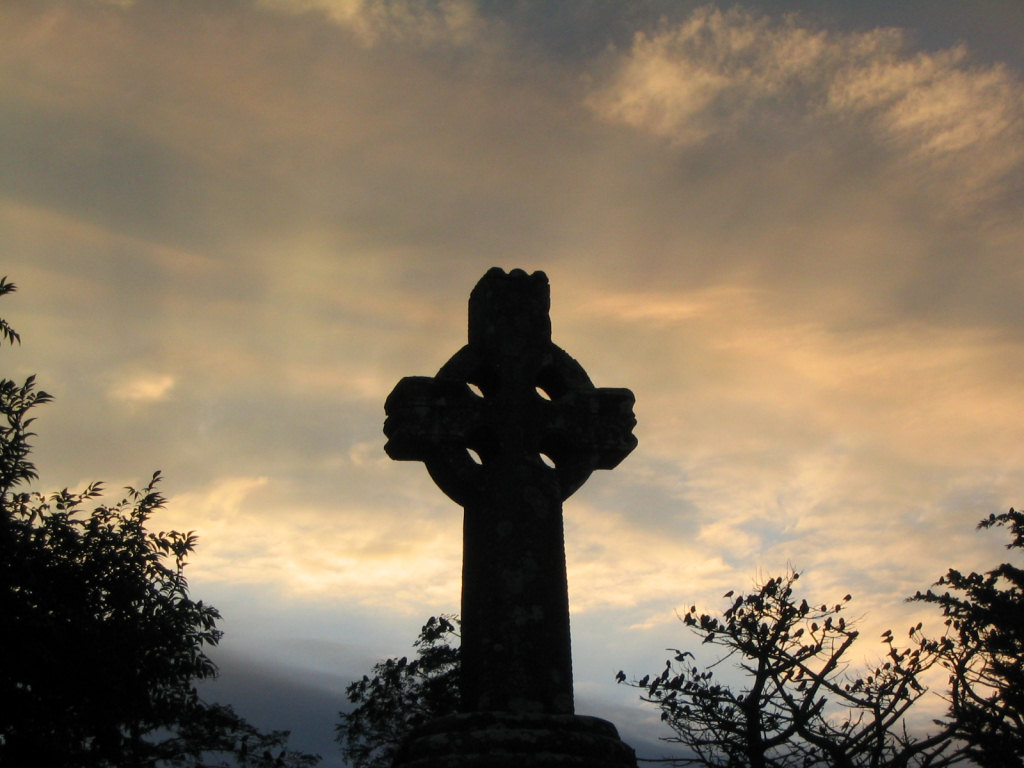
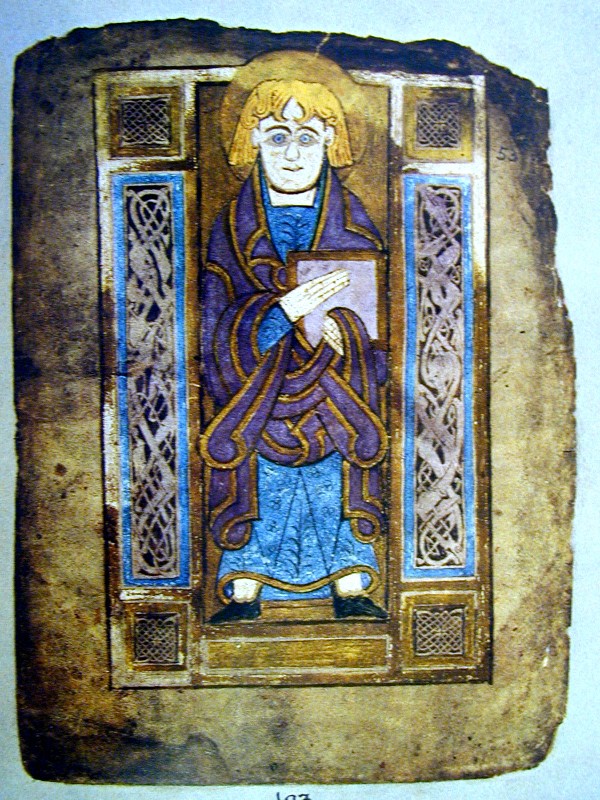
Spiritual life produced a rich material and literary culture. The so-called Insular or Hiberno-Saxon art of metalwork, stone carving, high crosses, and illuminated manuscripts remains one of the movement's most visible legacies. Manuscripts such as the Book of Kells and the Lindisfarne Gospels (surviving in later copies) illustrate intricate interlace patterns, figural decoration, and reverent treatment of the Gospel texts. The penitential tradition provided brief manuals of sins and corresponding penances that circulated widely. The practice of peregrinatio, voluntary exile for the sake of Christ, encouraged missionary activity abroad and shaped a spirituality of pilgrimage and displacement.
Notable figures and influence
- Individual abbots and saints—often commemorated in local hagiography—founded monasteries that became regional foci for evangelization and education.
- Missionary monks, including those who traveled to Francia and the Continent, helped transmit texts, educational practices, and artistic styles that influenced Carolingian and wider European culture.
- Interactions and occasional disagreements with continental practices, on issues such as the dating of Easter and clerical customs, prompted councils and negotiations that reshaped institutions.
- The cultural legacy includes surviving manuscripts and monuments, later medieval devotional traditions, modern interest in "Celtic spirituality," and ongoing scholarly study in history, archaeology, art history, and theology.
Further reading and resources
The following resources provide entry points to general background, primary sources, and specialised studies. Readers seeking in-depth treatment should consult academic monographs and editions of primary texts.
- General introduction to early medieval Christianity
- Origins and spread of Christianity in the British Isles
- Studies of Irish monasticism and community life
- Overview of pre-Christian Celtic religion and society
- Comparative study of Insular and continental traditions
- Scholarship on early medieval saints and missions
- Resources on Insular art and illuminated manuscripts
- Contemporary perspectives on Celtic Christian spirituality
This article summarizes broadly accepted features of religious life in early medieval Ireland and the British Isles while avoiding overgeneralization. For precise historical claims, regional variations, datings, and textual evidence, consult specialist scholarship and editions of primary sources.
Questions and answers
Q: What is Celtic Christianity?
A: Celtic Christianity is a form of early Medieval Christian practice that emerged in 4th century Ireland.
Q: What kind of religion did the Celts practice before Christianity?
A: Before Christianity, the Celts practiced a religion that was as complex as the Romans, with many gods.
Q: When did Celtic Christianity grow?
A: Celtic Christianity grew during the 5th and 6th centuries.
Q: Was Celtic Christianity considered to be a spiritual church?
A: Yes, Celtic Christianity was considered one of the most spiritual churches in the world.
Q: Where did Celtic Christianity originate?
A: Celtic Christianity originated in Ireland.
Q: What made Celtic Christianity different from other forms of Christianity?
A: Celtic Christianity incorporated some aspects of Celtic culture and was not always aligned with the practices and beliefs of the Roman Catholic Church.
Q: Is Celtic Christianity still practiced today?
A: Yes, there are still some communities that practice Celtic Christianity today, although it is not as widespread as it was in the past.
Related articles
Author
AlegsaOnline.com Celtic Christianity: origins, practices, and cultural legacy Leandro Alegsa
URL: https://en.alegsaonline.com/art/17918