
Parvicursor — tiny alvarezsaurian maniraptoran dinosaur
Parvicursor is a genus of very small alvarezsaurid maniraptoran dinosaur from the Late Cretaceous, notable for its diminutive size, long cursorial legs, reduced forelimbs, and significance for theropod evolution.
Parvicursor is a genus of small, bird-like theropod long recognized for its minute size and adaptations for rapid running. It belongs to the group of short-armed, insectivorous alvarezsaurids within the broader maniraptoran clade. Specimens attributed to Parvicursor show a body length of only about 39 cm from snout to tail tip and an estimated mass on the order of a few hundred grams, making it among the smallest non-avian dinosaurs known from adult material.
Image gallery
10 Images

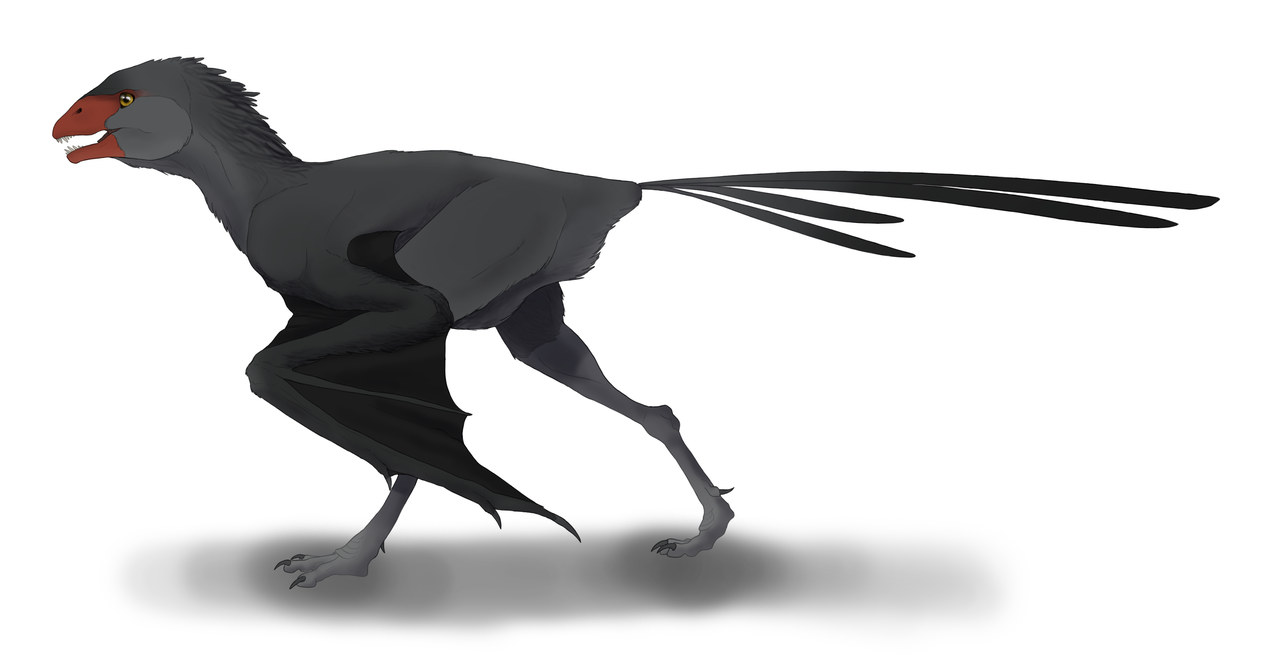

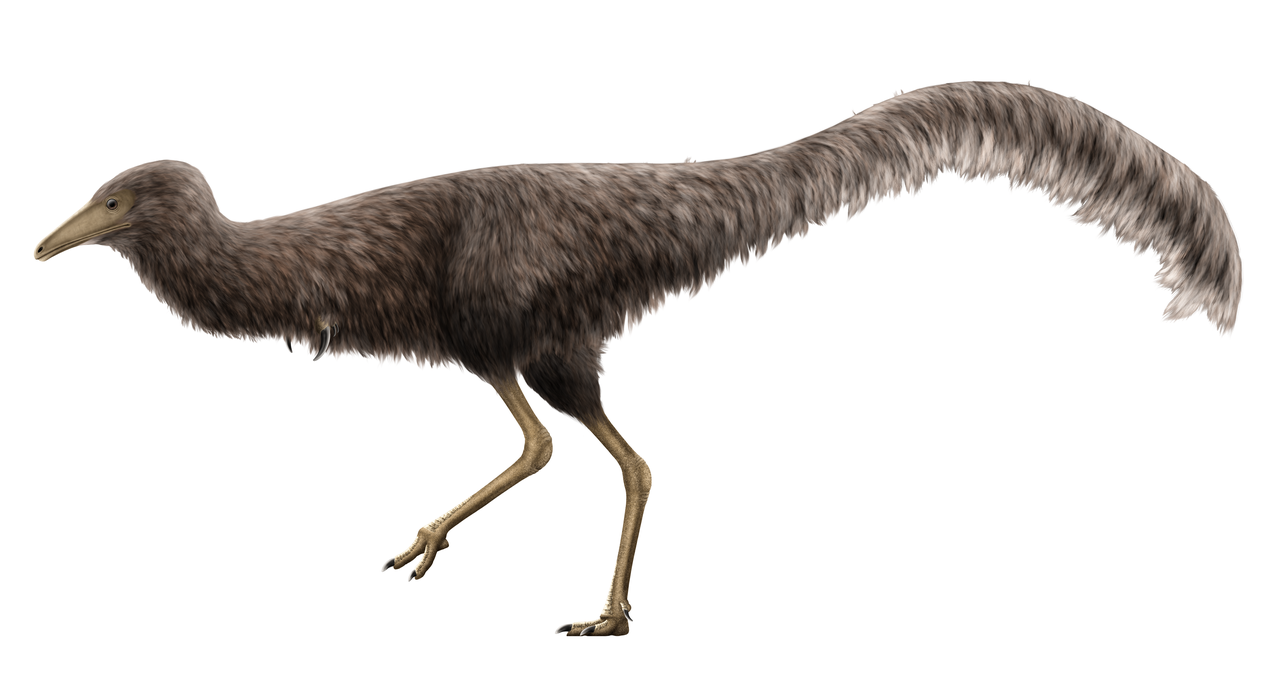


Physical characteristics
Parvicursor combined a lightweight, elongated body with very long, slender hind limbs and a relatively long tail, features interpreted as adaptations for fast, agile locomotion. The forelimbs were highly reduced compared with many theropods and bore specialized, stout digits suggestive of a digging or probing function rather than grasping. Many maniraptorans, including close relatives of Parvicursor, show evidence for feathers or feather-like coverings, and a feathered integument is considered likely though direct soft-tissue preservation is rare.
Discovery and age
Fossils of Parvicursor were recovered from Late Cretaceous deposits of central Asia. The genus name means "small runner," a reference to its compact size and cursorial proportions. The material that established Parvicursor includes relatively complete skeletal elements for a small theropod, permitting estimates of life size and adult body mass.
Classification and relationships
- Group: maniraptoran theropods — close relatives of birds and other small, agile dinosaurs.
- More specific placement: within Alvarezsauridae, a family characterized by short, robust forelimbs and specialized hands.
- Not a bird: although birdlike in many skeletal features, Parvicursor is conventionally treated as a non-avian theropod.
Paleobiology and significance
Functional interpretations emphasize high-speed ground locomotion and a diet that may have included insects or other small invertebrates. The stout single-clawed forelimb seen across alvarezsaurids is commonly interpreted as adapted for breaking into insect nests or for similar specialized feeding behaviors. Because Parvicursor is represented by material from adult individuals at a very small size, it provides important data on how extreme miniaturization evolved among non-avian theropods.
Notable facts
Key points include its tiny adult size, cursorial hindlimbs, and placement within an unusual group of short-armed theropods. For general summaries and further reading see an overview of the genus at Parvicursor, the wider maniraptoran clade at maniraptoran, and broader context on theropod diversity at dinosaur.
Related articles
Author
AlegsaOnline.com Parvicursor — tiny alvarezsaurian maniraptoran dinosaur Leandro Alegsa
URL: https://en.alegsaonline.com/art/74872
Sources
- technosaurs.ca : Which was the smallest dinosaur?