
Parallel computing: concepts, forms, programming challenges, and uses
Overview of parallel computing: definition, main types and hardware levels, historical drivers, programming challenges, common uses, and important distinctions for performance and scalability.
Parallel computing is a model of computation in which many operations are carried out at the same time. At its simplest level this means dividing a large problem into smaller subtasks that can be solved concurrently. Individual machine operations or instructions may be overlapped so that processors work in parallel rather than strictly in sequence. The theoretical and practical limits on speedup—how much faster a problem completes when parallelized—depend on the fraction of a task that must remain serial and on coordination overhead.
Image gallery
10 Images



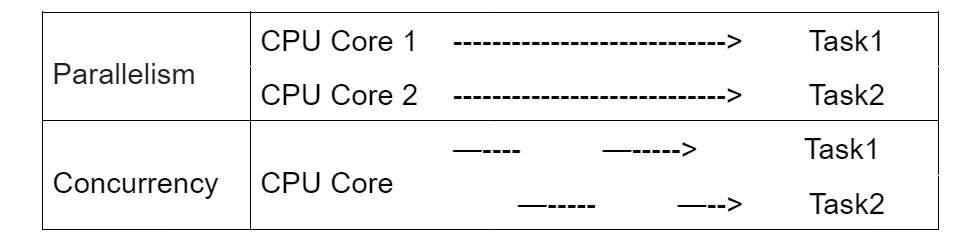

Forms and levels of parallelism
Parallelism appears at multiple granularities. Common classifications include:
- Bit-level parallelism — combining operations on wider data words to process more bits per cycle.
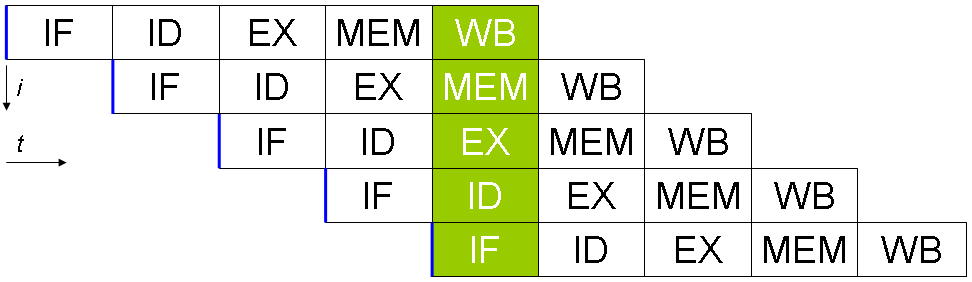
- Instruction-level parallelism — hardware or compilers schedule multiple instructions at once inside a CPU pipeline.
- Data parallelism — the same operation is applied independently to many data elements, as in vector or array processing.
- Task parallelism — distinct threads or processes perform different computations that may run concurrently.
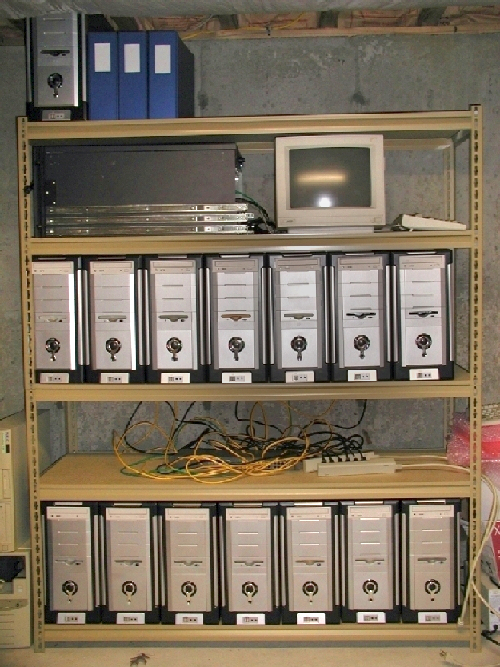
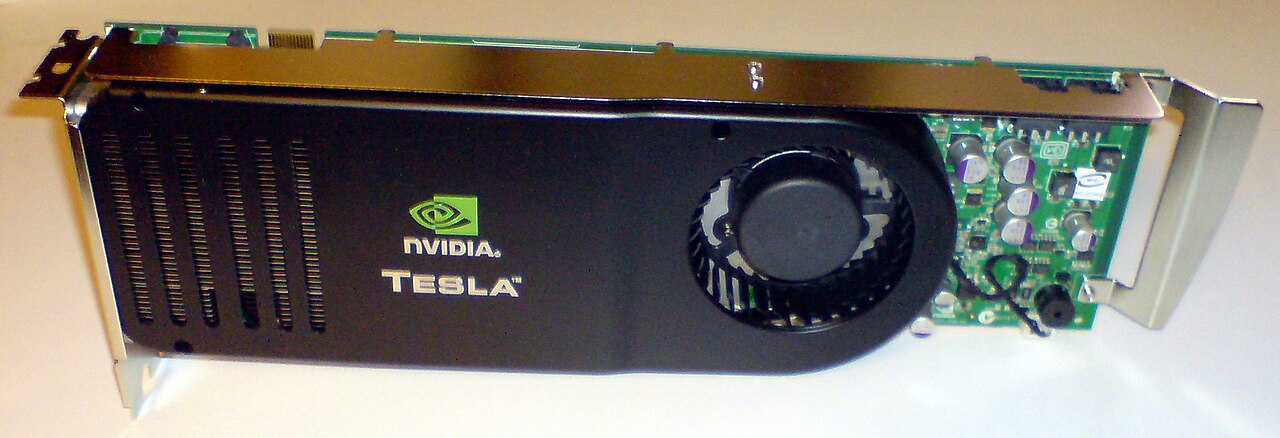
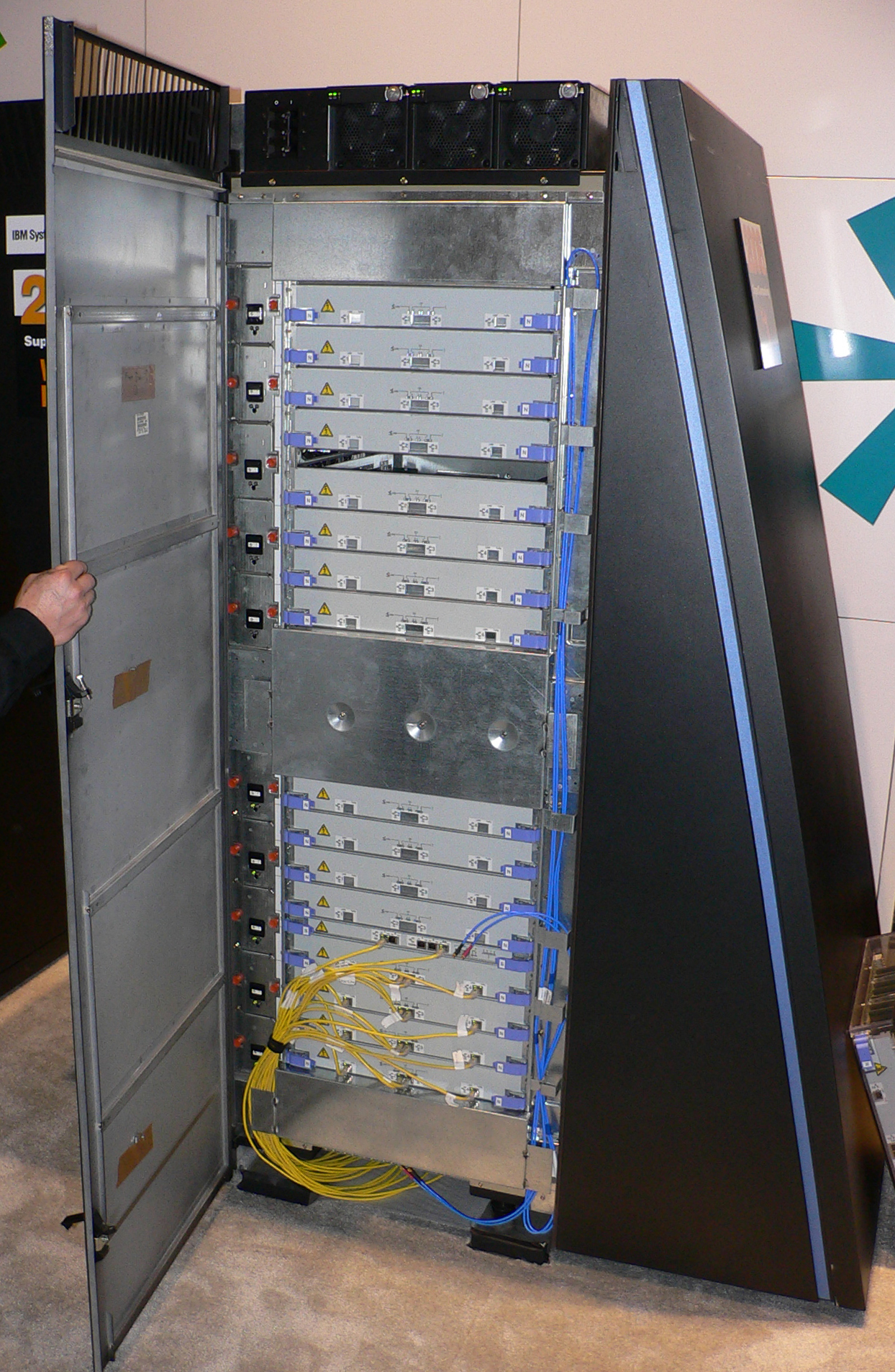
Hardware also supports parallelism at several scales: single systems may include many processing units such as multi-core processors and multi-socket machines with multiple processing elements; larger installations connect separate machines into clusters, blades, MPPs, or grids. These choices interact with overall system design and the target workload, and they shape how software is written.
History and driving forces
Parallel techniques have been used in scientific and engineering high-performance computing for decades. Over time, physics and manufacturing constraints made it difficult to continue increasing single-core clock speeds—often described as limits to frequency scaling—so architects shifted to adding more execution units. This shift is now central to modern computer architecture. At the same time, concerns about power consumption and thermal limits influence chip design and the number of cores that can be used effectively.
Programming, correctness, and performance
Writing parallel programs requires thought about concurrency, communication and synchronization. Compared with sequential code, parallel software is often harder to develop because it can exhibit subtle runtime errors. Classes of defects include concurrency-related bugs, especially race conditions where two tasks access shared state in conflicting ways, and deadlocks where tasks wait indefinitely for resources. Efficient parallel code must balance computation with the cost of moving data and coordinating tasks; both latency and bandwidth of interconnects matter.
Common models and typical applications
Programming models range from shared-memory threads and lock-based synchronization to message-passing interfaces and data-parallel APIs. Developers use patterns such as pipelines, map-reduce, and work-stealing to structure concurrency. Synchronization and data exchange are central concerns: many programs need careful communication and synchronization to be correct and scalable. Parallel systems are widely used in numerical simulation, weather and climate models, computational chemistry, big-data analytics, and machine learning training, where large datasets and compute kernels benefit from simultaneous processing.
Distinctions, limitations, and practical notes
Important distinctions include shared-memory versus distributed-memory architectures, tightly coupled systems versus loosely connected clusters, and fine-grained versus coarse-grained parallelism. Scalability is constrained by algorithmic dependencies and by overheads such as synchronization, communication, and contention for shared resources. Tools for debugging, profiling, and deterministic replay help manage complexity, and higher-level languages and libraries aim to hide low-level details. Designers must also weigh trade-offs among raw speedup, energy use, cost, and programmability when choosing a parallel approach.
Further reading: introductory materials on instruction-level techniques, data and task models, hardware organization, and programming practices provide practical guidance for both researchers and practitioners who build or use parallel systems. See resources on instruction-level techniques, data-parallel frameworks, task-parallel runtimes, and design discussions of multi-core and cluster deployments.
Related articles
Author
AlegsaOnline.com Parallel computing: concepts, forms, programming challenges, and uses Leandro Alegsa
URL: https://en.alegsaonline.com/art/74532
Sources
- portal.acm.org : Highly Parallel Computing
- eecs.berkeley.edu : "The Landscape of Parallel Computing Research: A View from Berkeley"