
Central Processing Unit (CPU) — Overview, Architecture, and Uses
A central processing unit (CPU) executes instructions that run software. This article describes CPU functions, internal parts, historical development, performance measures, typical uses, and how CPUs differ from other processors.
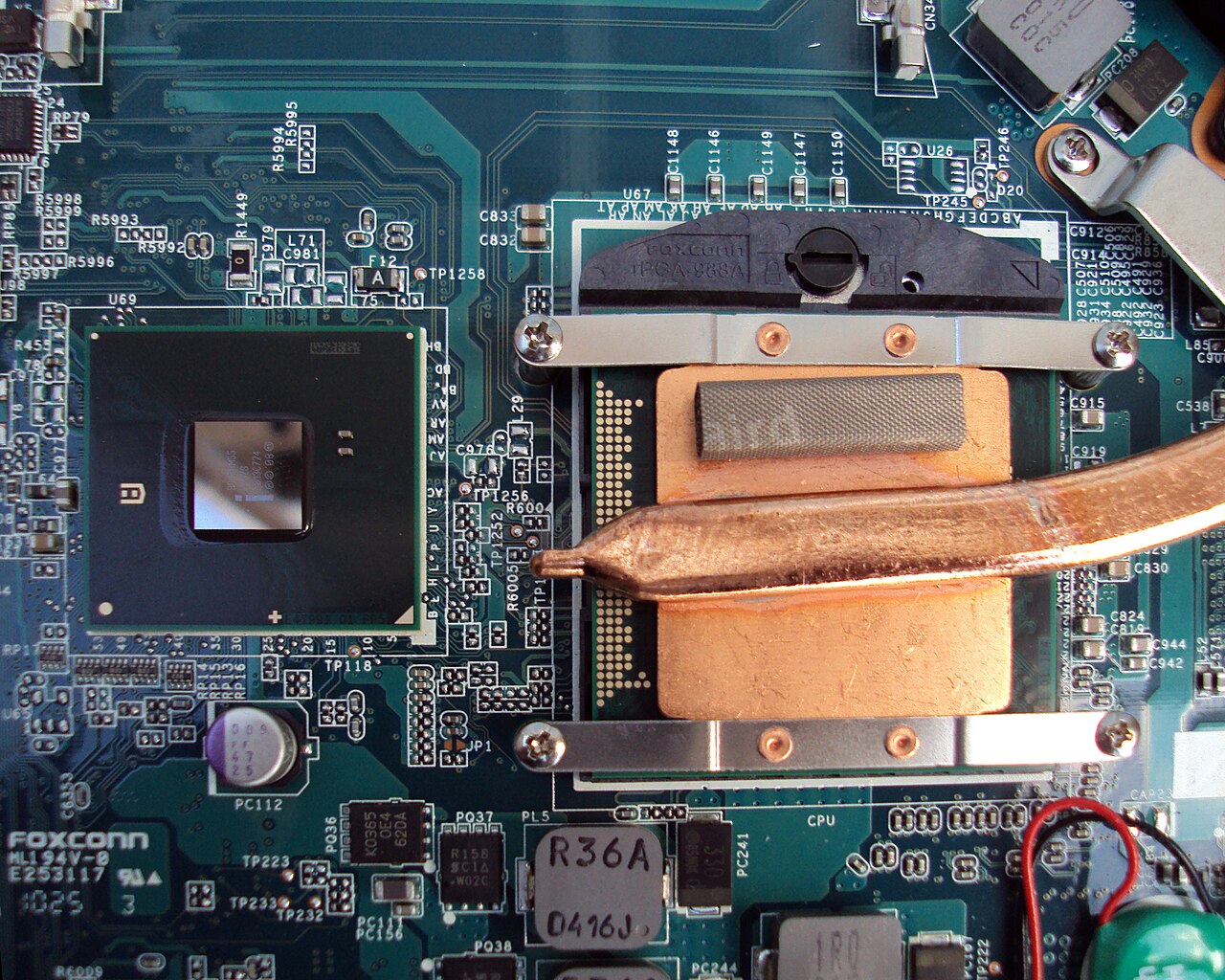
The central processing unit, commonly abbreviated CPU, is the primary element of a computer that performs computation and coordinates the operation of other components. In everyday language the CPU is often compared to the "brain" of a computer, because it interprets and executes the instructions that make software run.
Image gallery
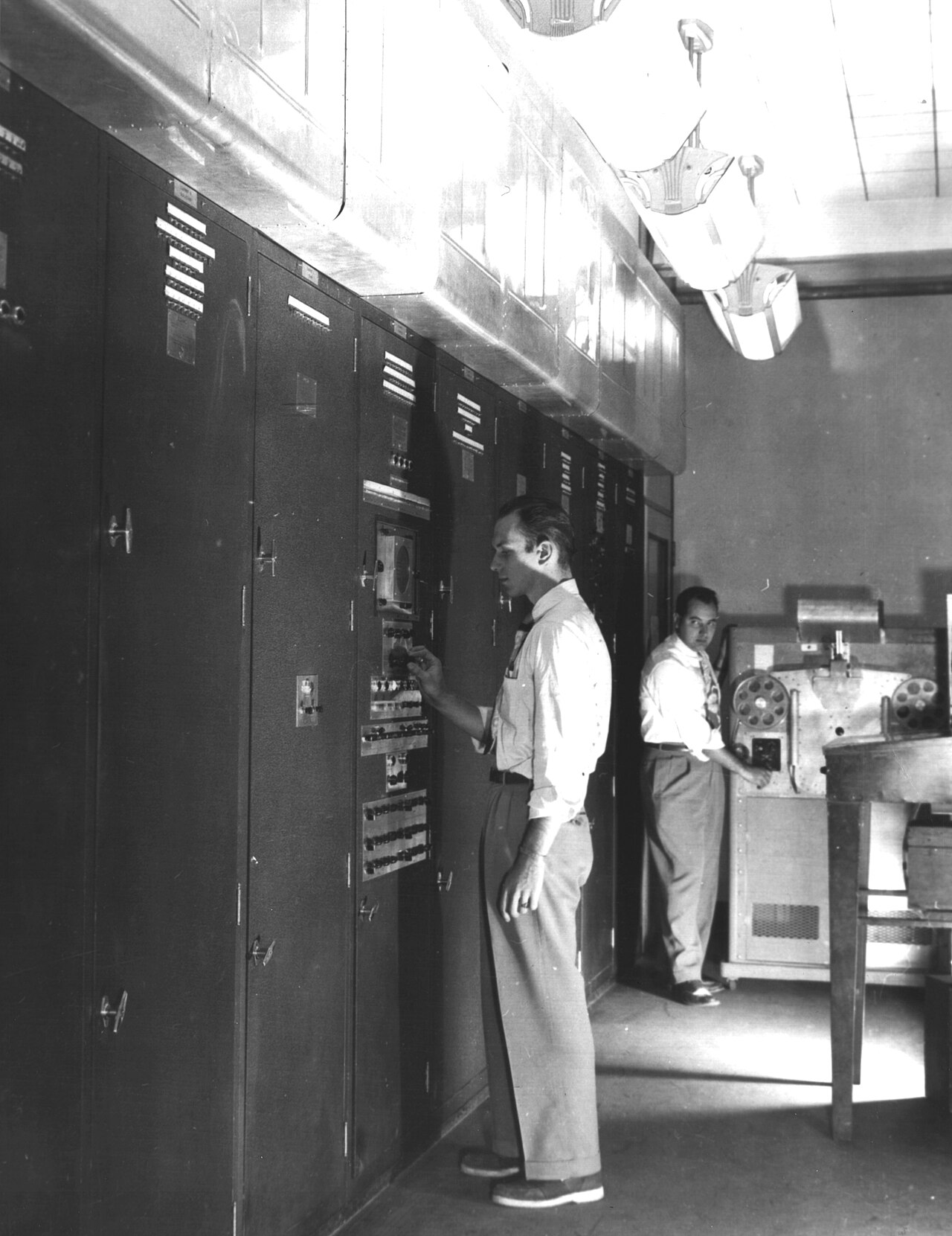
10 Images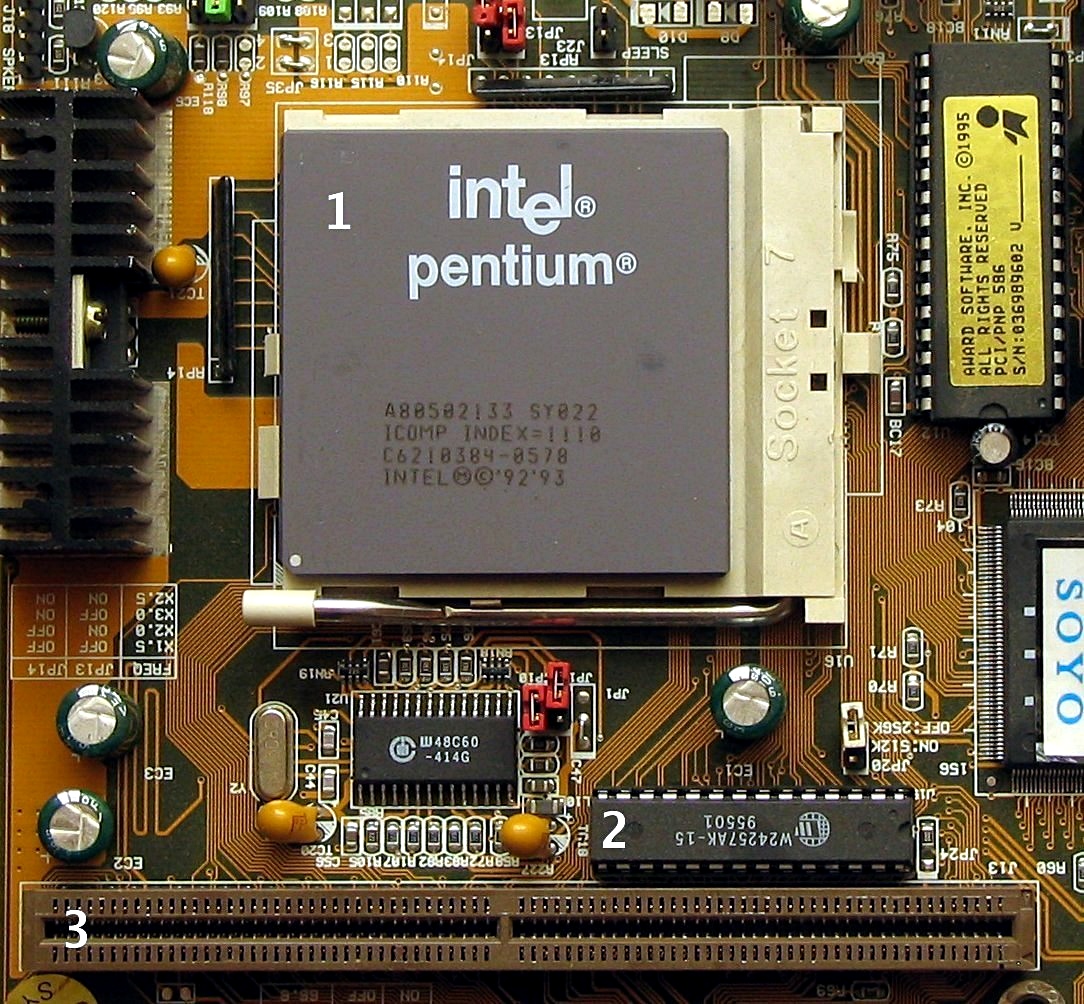




Core functions
A CPU repeatedly performs a small cycle of steps: fetch an instruction from memory, decode what the instruction requires, execute the operation, and then write back results. These instructions form programs: ordered sequences of operations that implement tasks such as arithmetic, data movement and control flow. The electronic circuitry that implements these actions is a type of electronic logic; the formats and commands a CPU understands are called its instruction set. A complete program is often referred to as a computer program.
Structure and key parts
Modern CPUs integrate several specialized units. Typical elements include the arithmetic logic unit (ALU) that performs calculations, registers for temporary storage, control logic that sequences operations, caches that speed memory access, and a clock that synchronizes internal steps. The processor's timing or frequency is commonly described by its clock rate and is measured in hertz. Practical consumer CPUs are often advertised in gigahertz, indicating billions of clock cycles per second.
- ALU: integer and logic operations
- FPU: floating-point math when present
- Registers and caches: fast, small storage
- Control unit: decodes and sequences instructions
History and development
Early computers used separate modules for control and arithmetic. The invention of the microprocessor packaged a complete CPU on a single silicon chip, enabling personal computers and many embedded devices. A variety of companies design or manufacture CPUs; some are known for consumer desktop and server processors while others provide processor architectures or chips for mobile and embedded markets. Notable names associated with CPU design and production include microprocessor pioneers, and firms such as Intel, AMD, ARM, NVIDIA, and IBM.
Performance, types and trade-offs
CPU performance depends on several factors beyond clock speed: the number of cores (independent processing units), cache sizes, instruction-level parallelism, memory bandwidth and power efficiency. Modern designs often use multicore configurations, letting software run multiple threads concurrently. Some processors prioritize raw throughput for servers, others emphasize low power draw for mobile devices, and some are built to be small and rugged for embedded applications. The choice of CPU is a balance between speed, energy consumption and cost.
Uses, distinctions and notable facts
CPUs are used in desktops, laptops, servers, smartphones, appliances and countless embedded systems. They differ from other specialized processors—such as graphics processing units (GPUs) or digital signal processors (DSPs)—by being general-purpose and optimized for a wide range of sequential and branching tasks. Understanding the CPU's role helps when evaluating system performance or choosing hardware for particular workloads. For practical information about manufacturers, architectures and where CPUs are applied, consult product documentation and resources from chip makers and standards bodies: additional references.
For overviews, technical introductions and comparative guides, see vendor materials and reputable technical sites that explain instruction sets, microarchitectural features and benchmarking methods. Further reading and references are available from many educational and industry sources: General overview, electronics basics, instruction formats, programming concepts, clocking, units of frequency, GHz explained, microprocessors, Intel, AMD, ARM, NVIDIA, IBM, embedded processors, and manufacturer resources.
Questions and answers
Q: What is a CPU?
A: A CPU (central processing unit) is an important part of every computer. It sends signals to control the other parts of the computer, almost like how a brain controls a body. The CPU is an electronic machine that works on a list of instructions to do certain tasks.
Q: How does the CPU work?
A: The CPU reads the list of instructions and runs (executes) each one in order. A list of instructions that a CPU can run is a computer program.
Q: What is the clock rate or speed of a CPU measured in?
A: The clock rate or speed of a CPU's internal parts is measured in hertz (Hz). Modern processors often run so fast that gigahertz (GHz) is used instead - one GHz being 1,000,000,000 cycles per second.
Q: Who are some companies that make CPUs?
A: Some companies that make CPUs are Intel, Advanced Micro Devices (AMD), ARM (recently bought by Nvidia), IBM and AMD under ATI Technologies which currently leads the market.
Q: Where are most CPUs used?
A: Most CPUs used in desktop computers are microprocessors made by either Intel or AMD while most others are used in embedded systems for more specialized things such as mobile phones, cars, video game consoles or military applications.
Related articles
Author
AlegsaOnline.com Central Processing Unit (CPU) — Overview, Architecture, and Uses Leandro Alegsa
URL: https://en.alegsaonline.com/art/18070
Sources
- plato.stanford.edu : plato.stanford.edu/entries/computing-history/
- ark.intel.com : "Intel® Xeon® Processor E5-2699 v4 (55M Cache, 2.20 GHz)"