
Parallel port: history, design, standards and legacy
A computer interface once common for printers and peripherals, the parallel port provided parallel data transfer and evolved through IEEE 1284 modes before being superseded by USB and networked printing.
Overview
The parallel port is a computer hardware interface used to send multiple bits of data simultaneously across several wires. It was widely implemented on personal computers as the primary means to connect printers and other peripherals. Common informal names include the printer port and Centronics port; the interface enabled straightforward, character-oriented printing and later supported richer, bi-directional communication.
Image gallery
6 Images



Physical connectors and signals
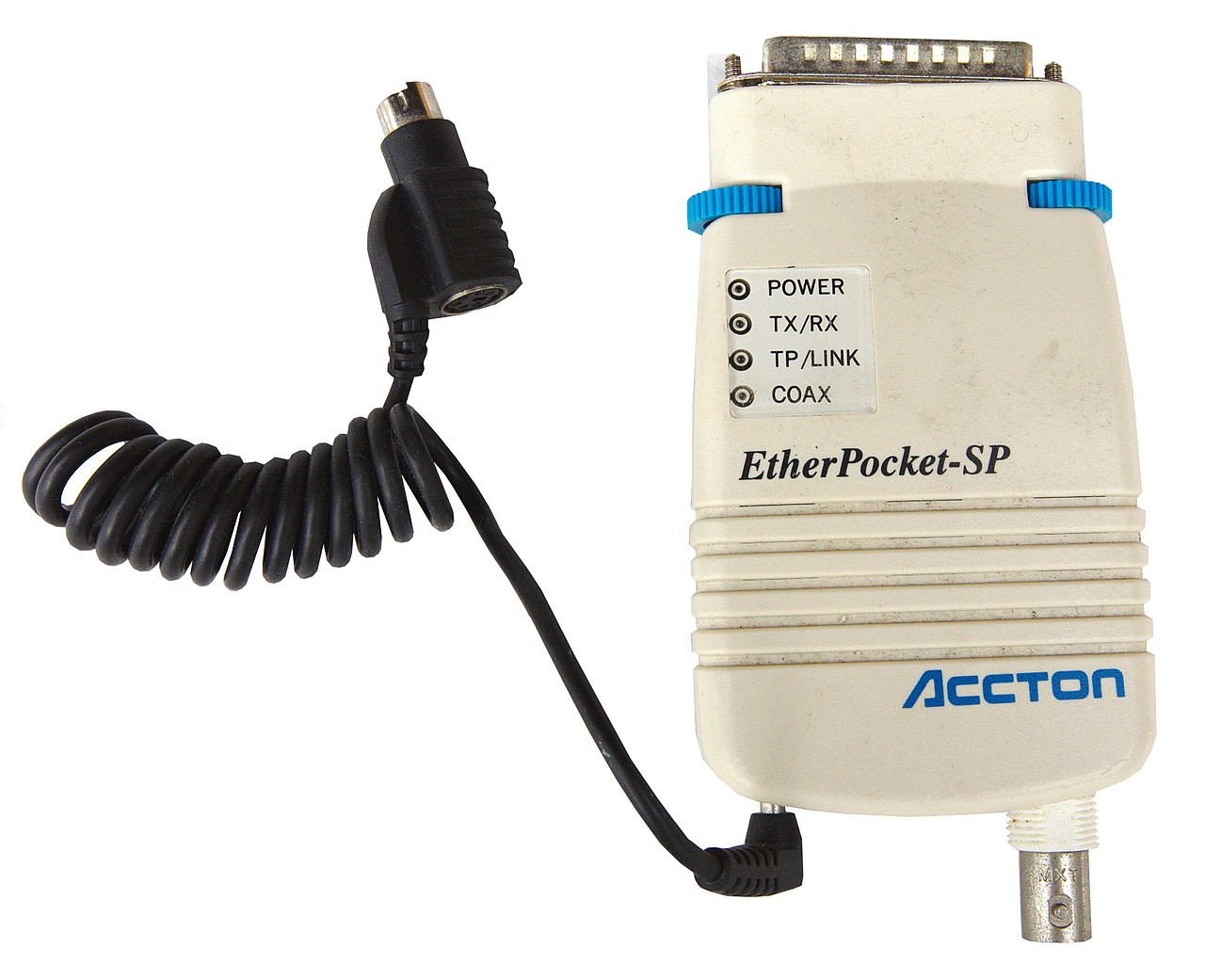
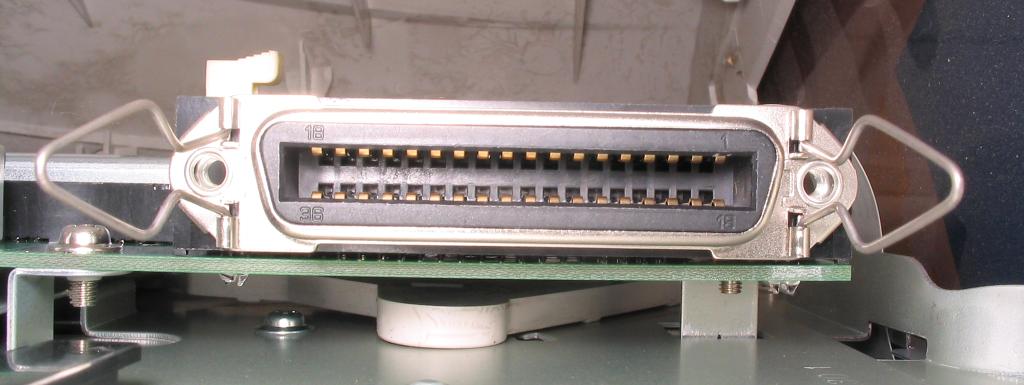
Two connector types became associated with parallel ports: the 36-pin Centronics-style connector typically found on printers, and the 25-pin D-sub (DB-25) connector on host computers. The port carries an 8-bit data bus plus a set of control and status lines used for strobing data, handshaking, and indicating device status. Because multiple data lines are transmitted at once, the parallel port contrasted with serial interfaces that send bits sequentially over fewer conductors.
Standards and operating modes
Over time the parallel port evolved from a simple unidirectional interface to a standardized, bi-directional channel. The IEEE 1284 family of definitions established electrically and functionally compatible modes for interoperability. Three widely known operating modes are:
- SPP (Standard Parallel Port) — legacy, mostly unidirectional for basic printing.
- EPP (Enhanced Parallel Port) — designed for higher-speed peripherals with fast, point-to-point transfers.
- ECP (Extended Capabilities Port) — added DMA-like operation, compression and improved performance for devices needing more throughput.
These modes allowed the port to handle devices beyond printers and to achieve improved transfer rates while maintaining backward compatibility with older equipment.
History and development
The parallel port originated as an adapter for early computer printers and became a de facto standard on many personal computers. A prominent vendor-style connector, invented by a major printer manufacturer, became so popular that it shaped the name Centronics port. In the mid-1990s industry efforts culminated in formal standardization under IEEE 1284, which codified bi-directional operation and defined cable and signal requirements. Despite these advances, the parallel port's dominance declined in the 2000s as newer interfaces provided simpler setup and higher versatility.
Uses, examples and decline
Although printing remained the main use, the parallel port was adapted for a variety of peripherals: scanners, external storage drives, dongles used for software copy protection, and experimental hardware projects. Its parallel data lines made it attractive for hobbyists and engineers needing direct, fast access to multiple I/O bits. Adoption waned with the arrival of Universal Serial Bus (USB) and networked printing over Ethernet, which offered plug-and-play convenience, faster speeds, and broader device support.
Legacy and notable distinctions
Today the parallel port is largely absent from modern laptops and many desktops, but it left a lasting impact on peripheral design and PC architecture. Key distinctions to remember are the separate physical forms (Centronics vs. DB-25), the progression from unidirectional to bi-directional operation, and the three IEEE 1284 modes (SPP, EPP, ECP) that provided increasing capability. For historical information or device compatibility guides see printer port resources and manufacturer documentation such as hardware manuals. For technical standards and implementation notes consult standards summaries and developer references at technical archives.
Related articles
Author
AlegsaOnline.com Parallel port: history, design, standards and legacy Leandro Alegsa
URL: https://en.alegsaonline.com/art/74534