
Paracelsus: Renaissance physician, alchemist, and founder of iatrochemistry
Paracelsus (c.1493–1541) was a Swiss-Austrian physician, alchemist and thinker who challenged medieval medicine, promoted chemical remedies, and influenced toxicology, occupational medicine and modern pharmacology.
Overview
Paracelsus (born Philippus Aureolus Theophrastus Bombastus von Hohenheim, c.1493–1541) was a provocative and influential figure of the European Renaissance who combined practical medicine, chemical experimentation and esoteric thought. He is remembered for opposing scholastic reliance on classical authorities, arguing that observation and experience should guide medicine, and for pioneering the use of minerals and chemicals in therapy. His career spanned universities, itinerant practice and appointments in several imperial and municipal contexts.
Image gallery
10 Images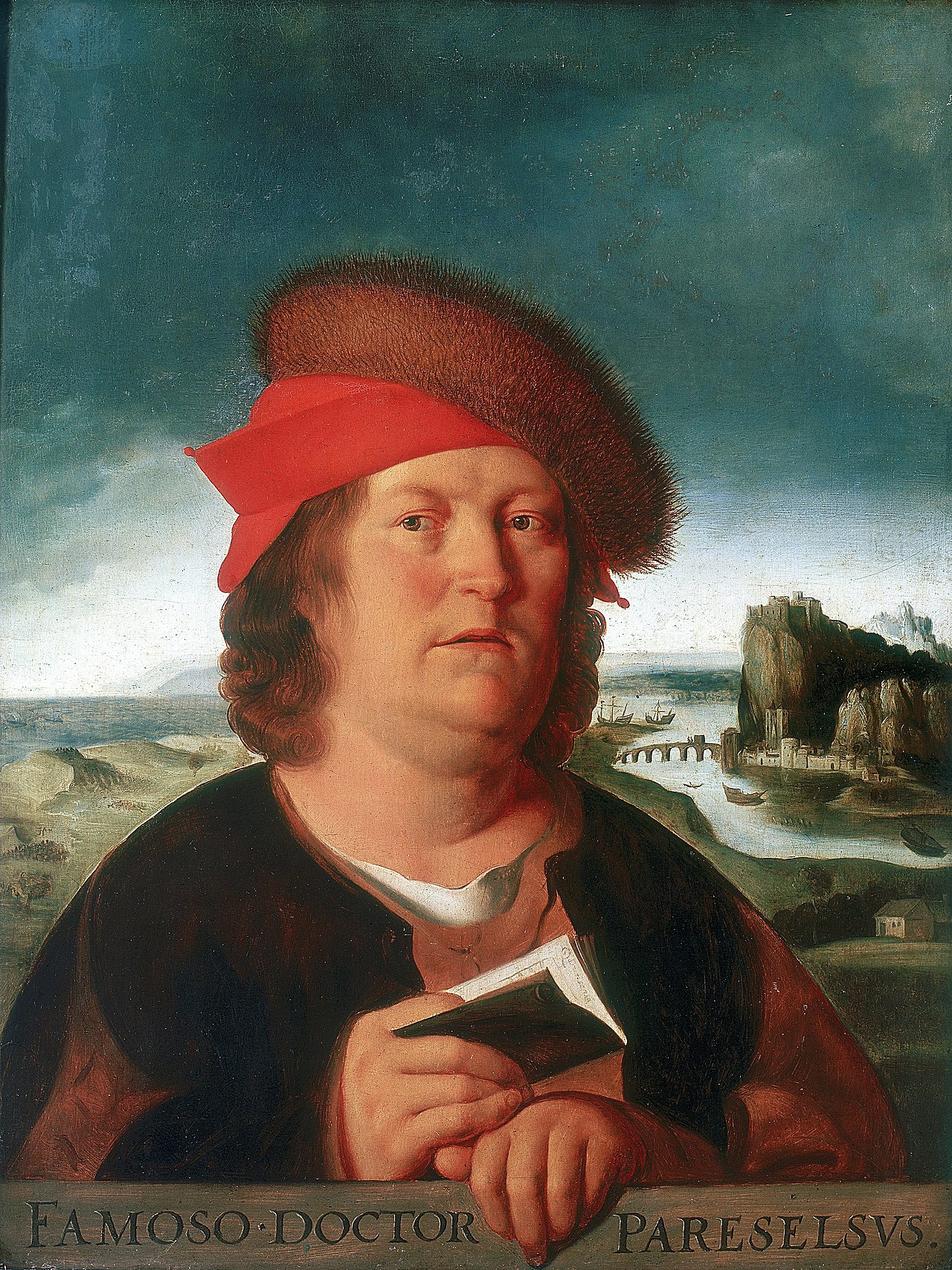


Life and background
Paracelsus was born in the late 15th century near Einsiedeln in what is today Switzerland. Sources differ about his exact birth date, with traditions citing either 11 November or 17 December. He studied medicine and related subjects at several places and is recorded as receiving a formal medical degree from the University of Ferrara or studying there around 1515–1516; contemporary accounts are sometimes contradictory, and his doctorate is described variously in later biographies. Paracelsus travelled widely as an apothecary, physician and alchemical practitioner; his later years included work in German-speaking cities and he died in Salzburg, Austria, in 1541.
Ideas and medical practice
Rejecting the dominant Galenic framework that emphasized four humours, Paracelsus argued that disease often arose from specific external causes rather than imbalanced humours. He emphasized careful clinical observation, the preparation of chemical remedies, and attention to environment and occupational hazards. His approach—sometimes called iatrochemistry—sought to apply chemical substances (metals, minerals, botanical extracts) to treat disease, and he is frequently credited with early formulations that led to modern pharmacology and toxicology.
Contributions and notable works
- Toxicology and dosing: He famously expressed the principle that the dose determines whether a substance is poisonous, an idea often summarized as "the dose makes the poison."
- Occupational medicine: In works such as the treatise often translated as On the Miners' Sickness and Other Diseases of Miners, he described the health risks of mining and metalworking and suggested preventive and therapeutic measures.
- Chemical therapeutics: He promoted remedies made from minerals and metals and experimented with tinctures and extracts; he is associated with the invention or popularization of preparations such as laudanum, an opium-based tincture used for centuries.
- Nomenclature and natural history: He is credited with naming the element zinc in Latin (zincum) and with early botanical observations, including the description of certain colonial bacteria like Nostoc.
Style, controversies and legacy
Paracelsus combined empirical practice with astrology, alchemy and theological reflection; contemporaries and later scholars describe him as brilliant, contentious and at times arrogant—his family name Bombast has been linked to the adjective "bombastic" in popular lore. He challenged established authorities such as Galen and other medieval medical traditions, which earned both followers and fierce critics. His writings range from practical case notes to mystical and polemical tracts, reflecting the hybrid intellectual culture of his era.
Reception and continuing importance
Paracelsus exercised a lasting influence on the development of modern medicine, pharmacy and toxicology. Later physicians and chemists drew on his insistence on observation and experimentation and on the therapeutic potential of chemical agents. At the same time, his blending of occult and scientific language made his legacy complex: he is equally studied in histories of medicine, alchemy and early modern thought. For introductions and primary-source editions, consult specialist histories or library collections and institutional resources such as alchemical, medical and occult studies that discuss his influence across disciplines.
Major works associated with Paracelsus include the Paragranum (a medical manifesto), his treatises on miners' diseases, and numerous shorter writings and aphorisms; these texts circulated in manuscript and print and were mobilized by both advocates of chemical medicine and critics of its claims. His life and work remain a vivid example of the transitional intellectual currents of the Renaissance.
For further reading consult scholarly overviews and editions of Paracelsus's writings, and biographies that examine both the documented facts of his career and the rich mythology that later surrounded his name. See also collections that discuss his formal education and contested degrees (academic records), his places of birth and death (Einsiedeln, Salzburg), and studies of his specific remedies such as laudanum.
Note: this article aims to summarize broadly accepted aspects of Paracelsus's life and thought without endorsing later legendary attributions or speculative claims; readers seeking primary texts should consult critical editions and annotated translations.
Related articles
Author
AlegsaOnline.com Paracelsus: Renaissance physician, alchemist, and founder of iatrochemistry Leandro Alegsa
URL: https://en.alegsaonline.com/art/74492
Sources
- web.unife.it : "Rediscovery of the elements: Paracelsus"
- worldcat.org : 0164-6109
- worldcat.org : 4478114
- iza.com : Discovering the 8th Metal
- themystica.com : "Paracelsus"