
Park Jung-yang: Korean bureaucrat, scholar and contested historical figure
Park Jung-yang (1872–1959) was a Korean bureaucrat, politician and scholar active during late Joseon and Japanese rule; his earlier activism and later collaboration make his legacy controversial.
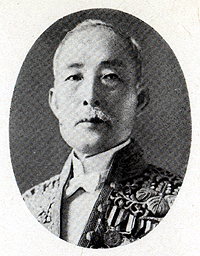
Park Jung-yang was a Korean public figure whose life spanned the end of the Joseon era, the Korean Empire, the period of Japanese colonial rule, and the early years after liberation. His Korean name is recorded as 박중양, and his name in hanja appears as 朴重陽. He was born on May 3, 1872, and died on April 23, 1959.
Image gallery
10 Images



Roles and activities
Across his career Park served as a bureaucrat and politician and participated in intellectual and reform circles. Contemporary descriptions list him as a bureaucrat, scholar and public-spirited activist. Early in his life he was associated with movements that advocated popular rights and liberal reform, though his positions changed as the political context shifted.
Names and pen names
- Pen names: Haeahk (해악, 海岳) and Ilso (일소, 一笑).
- Another personal name recorded: Wongeun (원근, 源根).
- He is sometimes described as a liberal-minded activist in earlier sources and as a collaborator in later assessments, a contrast noted by historians and commentators (see references).
Historical context and development
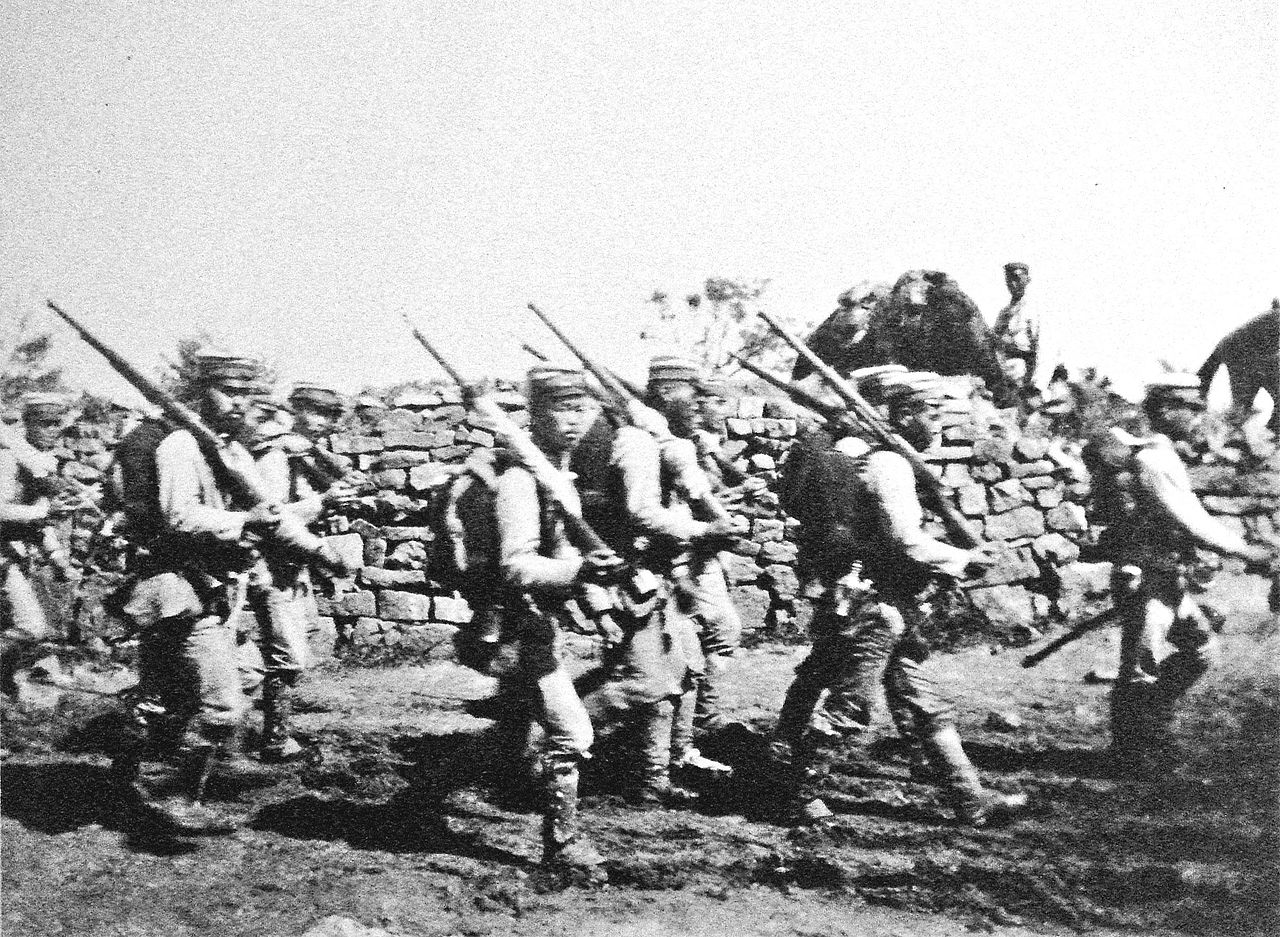
Park's lifetime coincided with rapid and often violent change in Korea: decline of the Joseon state, attempts at reform, and eventual annexation by Japan in 1910. Many Korean elites faced difficult choices under colonial rule; some continued administrative work or attempted reforms from within colonial structures, while others resisted. Park is often cited as an example of a prominent figure whose role shifted from activism to cooperation with Japanese authorities during the colonial period.
Legacy and controversy
Assessments of Park Jung-yang are divided. Supporters point to his early engagement with popular-rights ideas and his contributions to scholarship and administration. Critics emphasize his collaboration with Japanese authorities and view that collaboration as a moral failing that overshadowed earlier achievements. After liberation in 1945, evaluations of figures like Park became part of broader debates over collaboration, memory, and accountability in Korean society.
Because Park's life intersects scholarship, politics and occupation, his biography is used in studies of modernization, colonial governance, and the cultural politics of memory. Researchers consult primary documents, contemporary accounts, and later historical analyses to understand both his actions and the difficult choices faced by Korean elites in his era.
Related articles
Author
AlegsaOnline.com Park Jung-yang: Korean bureaucrat, scholar and contested historical figure Leandro Alegsa
URL: https://en.alegsaonline.com/art/74700