
Galen of Pergamon: Life, Work, and Enduring Influence
Galen, a Greek physician and philosopher of the Roman era, shaped medical theory for centuries through anatomy, experiment, and comprehensive medical texts—later revised during the Renaissance.
Overview
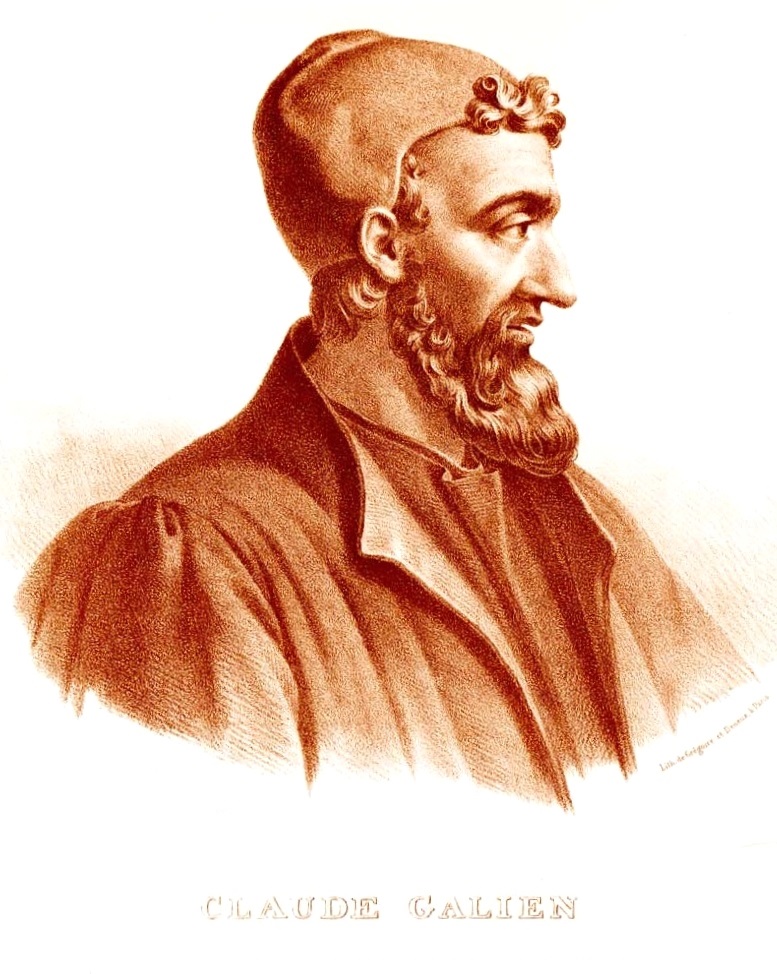
Galen of Pergamon (born c. AD 129, died c. 199–217) was a Greek physician and philosopher whose medical writings became foundational in the classical and medieval world. Working in the cities of Pergamon and Rome during the Roman Empire, he combined clinical observation, animal dissection and a systematic approach to theory and practice that dominated European and Near Eastern medicine for many centuries. He is often described, sometimes hyperbolically, as a major figure in the development of anatomy and medical method.
Image gallery
10 Images




Life and background
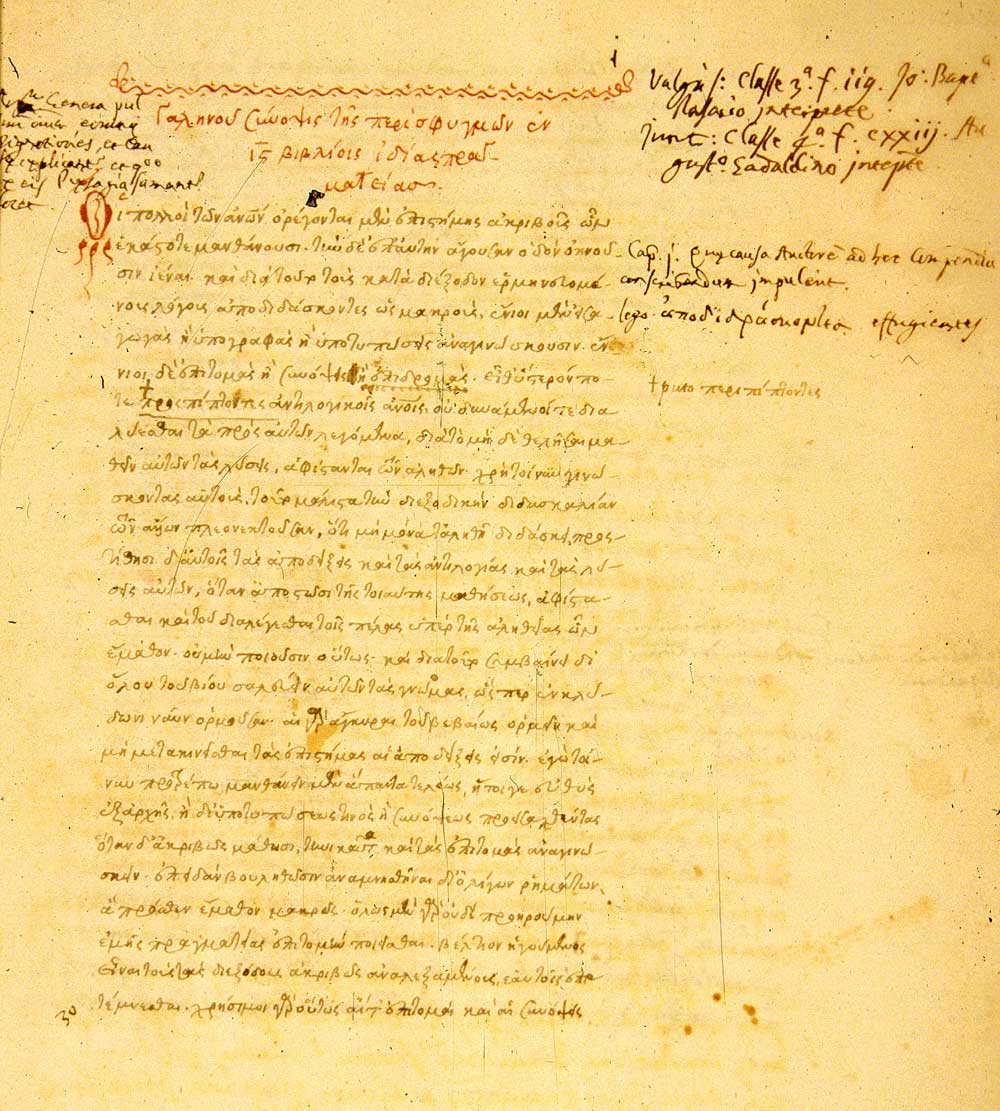
Galen trained in the Greek medical tradition and established a reputation treating wounds and diseases, including service with gladiators and later as a physician in Rome. He wrote prolifically on anatomy, physiology, pharmacology and medical ethics, and also addressed philosophical topics. His status as a leading medical researcher of his time rested on both his extensive writings and his practical experience at medical centers of the period.
Work, methods and key ideas
Galen emphasized direct observation and experiment. Because dissection of human corpses was largely prohibited where he worked, he performed many animal dissections—especially on apes, pigs and other mammals—to infer human structure. His experimental demonstrations included showing that the laryngeal nerves control voice and arguing that the brain, rather than the heart, coordinates bodily activity. Building on Hippocratic ideas, he advanced a version of the humoral system and articulated the so-called "Theory of Opposites," which recommended treatments intended to counteract an illness's perceived qualities (Hippocrates).
Contributions and common errors
- Anatomy and physiology: extensive anatomical descriptions based on animal dissection; influential but sometimes inaccurate when applied to humans.
- Clinical method: emphasis on observation, case studies and therapeutic reasoning.
- Theory of disease: humoral framework and practical rules for treatment.
Some of Galen's conclusions were mistaken because of reliance on nonhuman specimens—errors that later scholars identified. For example, aspects of his cardiovascular theory were corrected only after Renaissance investigators performed human dissections and physiological experiments.
Influence, transmission and revision
Galenic writings were translated, taught and commented upon throughout the Middle Ages in both the Islamic world and medieval Europe. They were central to medical curricula until the Renaissance, when scholars such as Andreas Vesalius and others challenged Galen’s anatomical claims through human dissection and new methods. The Renaissance (Renaissance) marked a period of correction and refinement: while many of Galen’s methods and observations remained valuable, later work revised his physiological models and replaced some of his theoretical explanations.
Legacy and notable facts
Galen shaped medical language, pedagogy and practice for well over a millennium. His blending of empirical work and theory left a durable imprint: students learned to balance observation with systematic reasoning. He is sometimes called the "Father of Anatomy" in popular accounts—an attribution that acknowledges his central role in preserving and organizing anatomical knowledge even though subsequent research corrected specific errors. The long dialogue between Galenic tradition and later critics illustrates how medical knowledge evolves: enduring insights coexist with revision as methods advance.
For introductory reading and primary-source collections, see summaries and translations that survey Galen’s work and its historical context. Further exploration can illuminate how his writings were adapted across cultures and centuries, shaping both practical medicine and medical philosophy.
Related articles
Author
AlegsaOnline.com Galen of Pergamon: Life, Work, and Enduring Influence Leandro Alegsa
URL: https://en.alegsaonline.com/art/37271