
Papaveraceae — the poppy family: description, traits, and uses
Papaveraceae, the poppy family, comprises mostly herbaceous flowering plants noted for showy flowers, latex or alkaloids, and capsules that release tiny seeds; includes ornamental poppies and the opium poppy.
Overview — Papaveraceae, commonly called the poppy family, is a clade of flowering plants found across temperate and subtropical regions worldwide. It contains several dozen genera and a few hundred species that range from delicate garden poppies to species with significant cultural and economic importance. For a general introduction see Papaveraceae overview.
Image gallery
10 Images

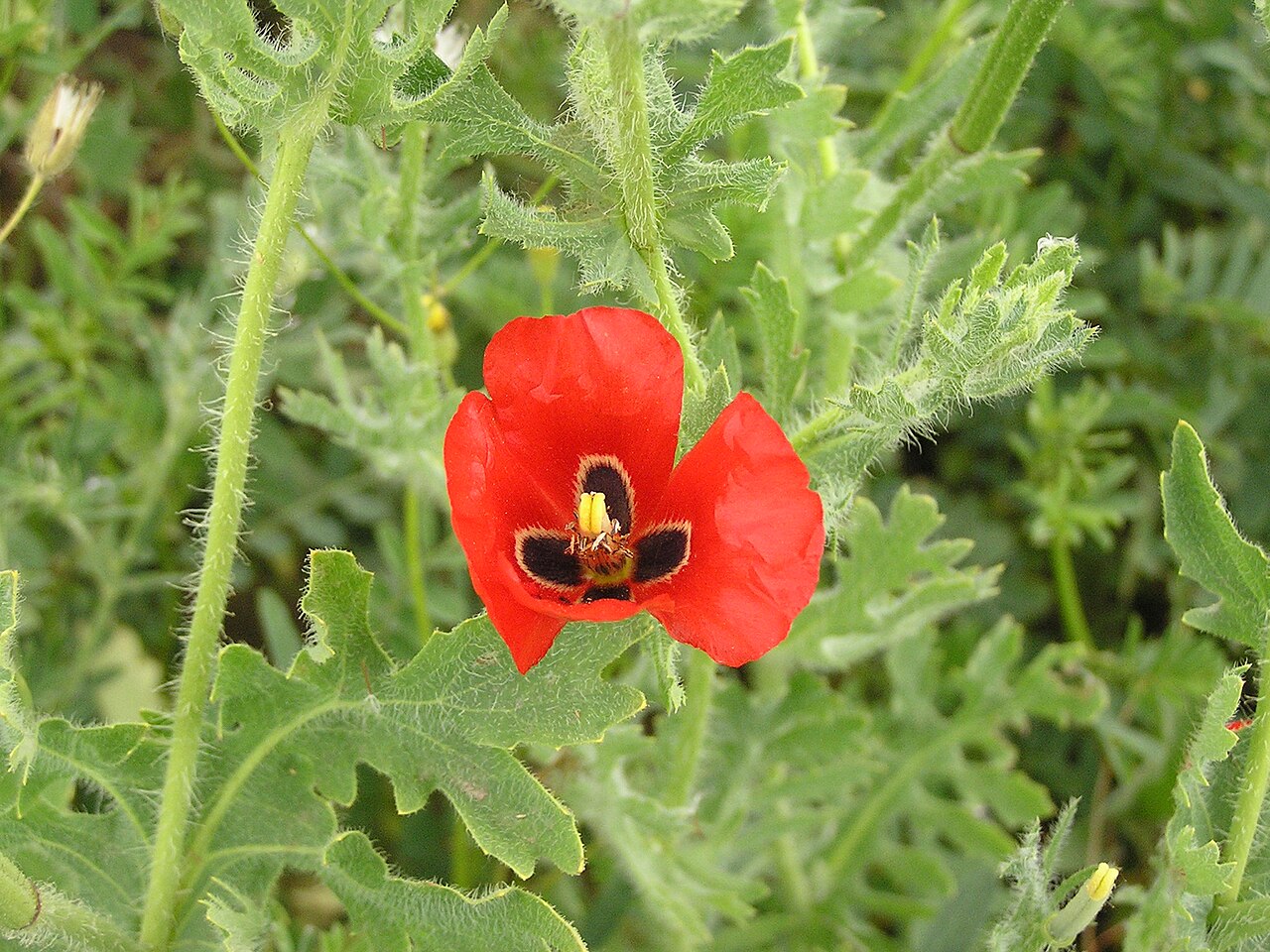


Characteristics
Members of the family are most often herbaceous plants, although a minority appear as shrubs or even small trees. Typical features include lobed or pinnate leaves, often with a basal rosette; showy solitary or clustered flowers with conspicuous petals; numerous stamens; and a superior ovary that develops into a dry capsule. Many species produce a milky or colored latex and a range of alkaloid compounds.
Key traits (at a glance)
- Flowers usually actinomorphic with 4–6 petals and many stamens.
- Fruit typically a capsule that releases seeds through pores or slits.
- Presence of latex and pharmacologically active alkaloids in some species.
- Leaves alternate or basal, often lobed or dissected.
History and taxonomy
The poppy family has a long association with humans: some species were cultivated in antiquity for their seeds and for opiates. Taxonomic treatments have varied; historically related groups have been split or combined as botanists revised relationships based on morphology and molecular data. Modern classifications place Papaveraceae within the order Ranunculales.
Uses and significance
Several Papaveraceae members are grown as ornamentals for their colorful blooms (for example, the familiar garden poppies and the California poppy). The opium poppy (Papaver somniferum) yields seeds used in cooking and latex containing alkaloids that are the basis for important pain-relief medicines, though these compounds have strict legal controls and potential for abuse. Some species are also subjects of biochemical and ecological research.
Notable facts and cautions
The bright red poppy has cultural significance in many places and serves as a symbol of remembrance in parts of Europe. While many members are harmless garden plants, several produce potent alkaloids and should be handled with awareness of legal and safety issues. For further reading consult general resources on plant families and floras via more on Papaveraceae and botanical databases at herbaceous plant guides or region-specific treatments at shrub and small tree references and taxonomic checklists.
Related articles
Author
AlegsaOnline.com Papaveraceae — the poppy family: description, traits, and uses Leandro Alegsa
URL: https://en.alegsaonline.com/art/74437