
Panzer — German armoured vehicle and armoured formation
Panzer refers to German armoured fighting vehicles (tanks) and the armoured units that employed them, especially during the interwar period and World War II.
Overview
Panzer is the common German term for an armoured fighting vehicle or tank and, by extension, for the armoured formations that use them. In English-language histories the word often appears when discussing German tanks and armoured forces of the 20th century. For a general introduction to tanks see tank, and for the broad context in which many panzers gained prominence see World War II.
Image gallery
10 Images






Name and definition
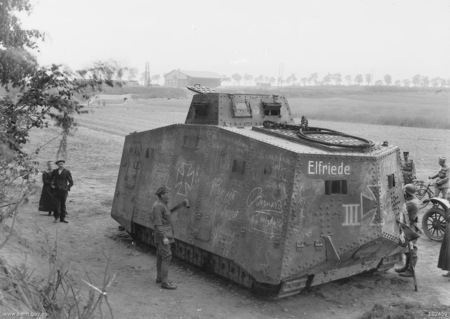
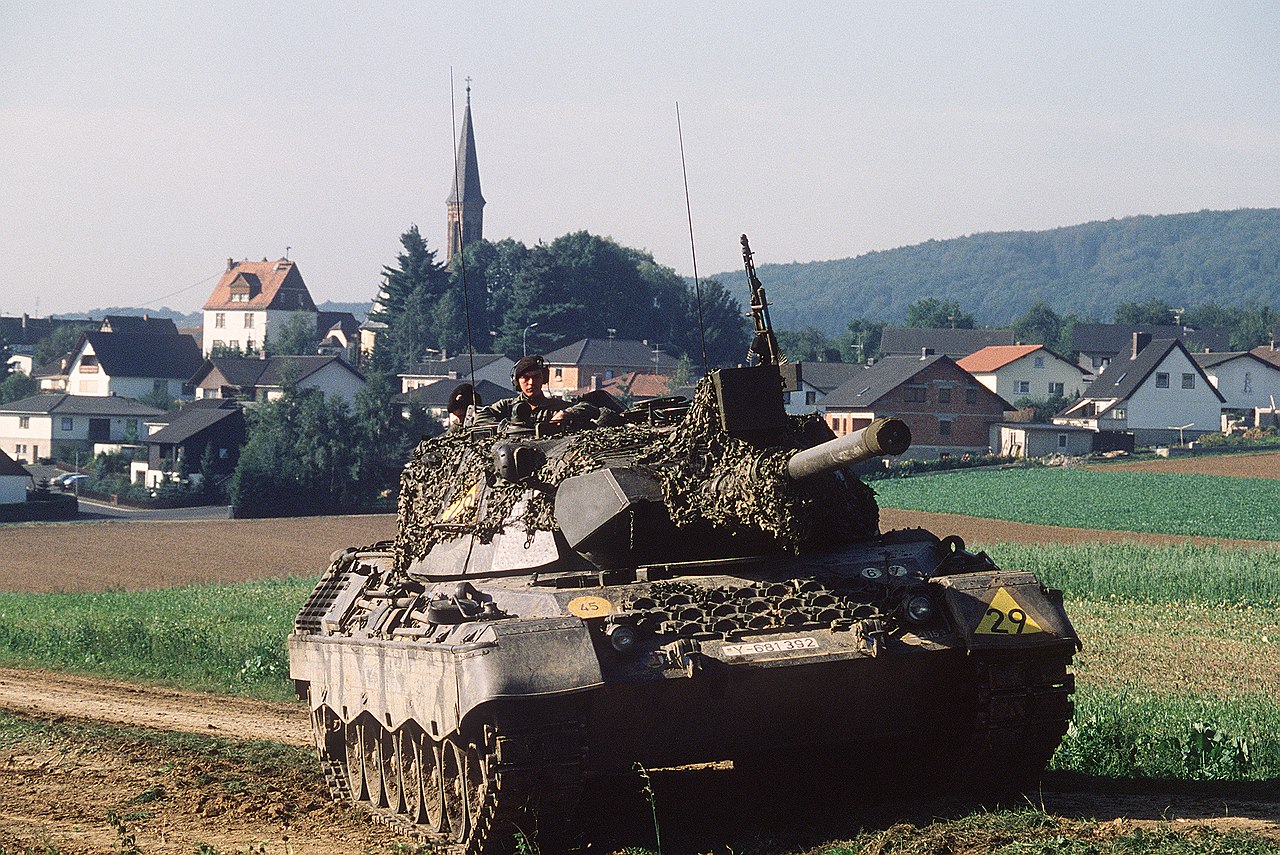
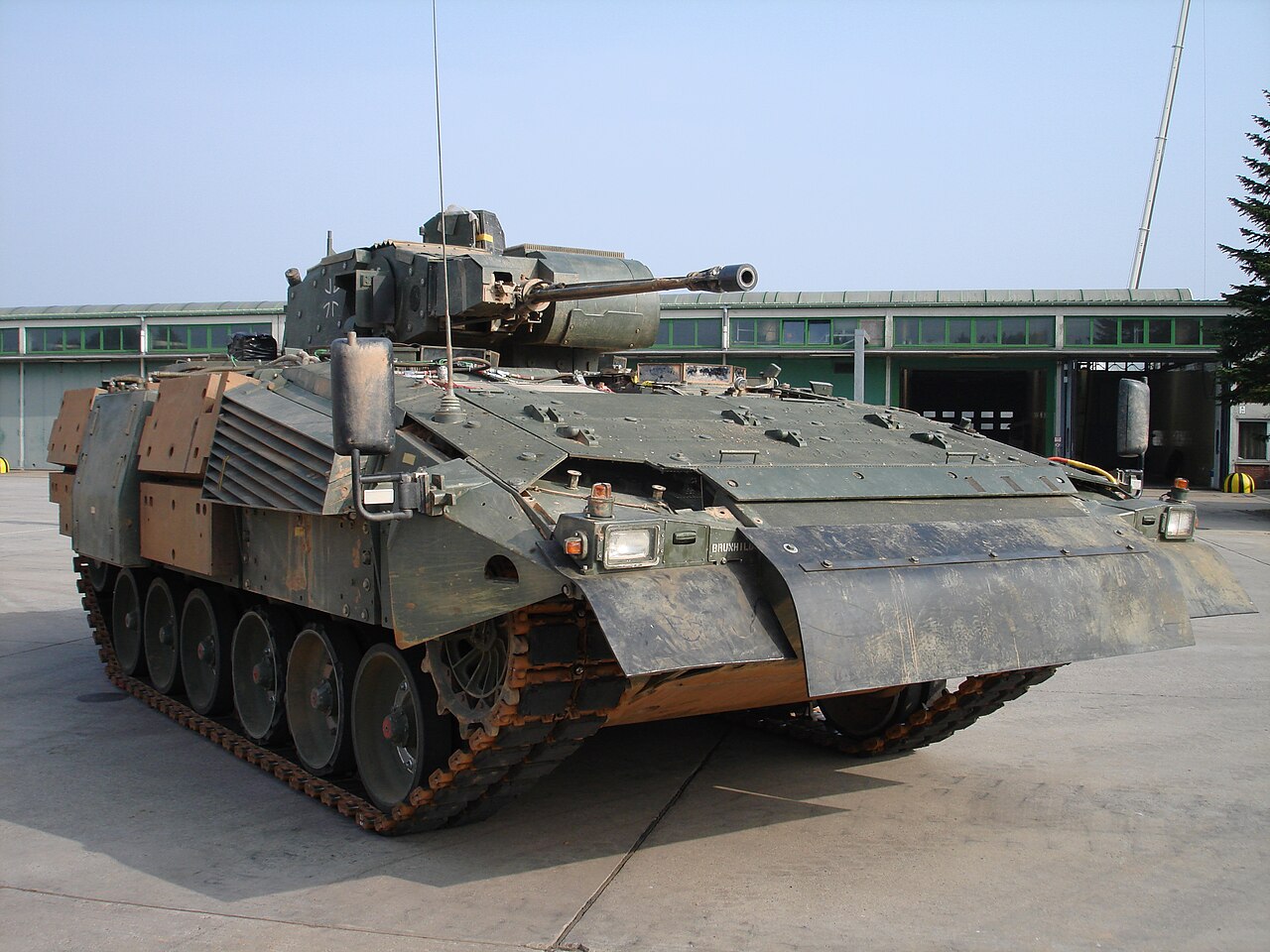
The full German designation is Panzerkampfwagen (armoured fighting vehicle), often abbreviated Pz.Kpfw. The shortened form panzer literally means "armour" and is used both for individual vehicles and collective formations such as panzer divisions or to describe panzer battles.
Typical characteristics
Panzers share the basic features of tanks but show national design choices in layout and equipment. Common elements include:
- Armour: sloped or vertical steel plating to protect crew and systems.
- Main armament: a turreted gun sized for anti‑tank or general support roles.
- Secondary weapons: machine guns and mounts for close defence.
- Mobility: tracked running gear, suspension systems (e.g., torsion bars on later German models), and a powerful engine.
- Communications: radios and command systems to coordinate manoeuvres.
Development and variants
German armoured development between the wars produced a family of panzers ranging from light reconnaissance vehicles to medium and heavy types. Early models were smaller and intended for training or reconnaissance; as battlefield demands grew, designs evolved toward greater firepower and protection. Notable families include the early Panzer I and II, the versatile Panzer III and IV, and the larger Panther and Tiger types that emphasized heavier guns and thicker armour.
Use and tactical role
Panzers were central to German combined‑arms doctrine. Employed in concentrated formations, they served as mobile striking forces to break enemy lines, exploit gaps, and support infantry. Effective panzer operations relied on coordination with mechanized infantry, artillery and air support rather than independent action.
Distinctions and legacy
While "panzer" is often used synonymously with "tank" in historical writing, it specifically denotes German armoured vehicles or units. Panzer divisions were organisational formations combining tanks with supporting arms. The wartime evolution of panzers influenced postwar tank design and the study of armoured warfare remains a significant military subject today.
Related articles
Author
AlegsaOnline.com Panzer — German armoured vehicle and armoured formation Leandro Alegsa
URL: https://en.alegsaonline.com/art/74407
Sources
- dictionary.reference.com : Panzer