
Tikal: Major Ancient Maya City in Guatemala
Tikal is a principal ancient Maya city in northern Guatemala, noted for its monumental pyramids, plazas and carved monuments. The site illustrates Classic‑period Maya urbanism, politics and ritual life and is a UNESCO site.
Tikal (also rendered Tikʼal in modern orthography) is one of the largest and most important archaeological sites of the ancient Maya civilization. It lies in the lowland rainforest of northern Guatemala and was a major political, ceremonial and population center during the Classic period of Maya history. The site is now preserved as a national park and a UNESCO World Heritage Site and attracts researchers and visitors for its monumental architecture, hieroglyphic inscriptions and distinctive jungle setting.
Image gallery
10 Images




Geography and environment
Tikal sits within a karstic lowland landscape of limestone, seasonal wetlands and tropical forest. Ancient inhabitants developed systems of reservoirs, terraces and other landscape modifications to capture and conserve rainwater and to sustain large populations in a seasonally dry environment. The forest both concealed and protected the ruins for centuries after the city was abandoned, and today the surrounding wildlife and vegetation are part of its protected values.
Site layout and principal monuments
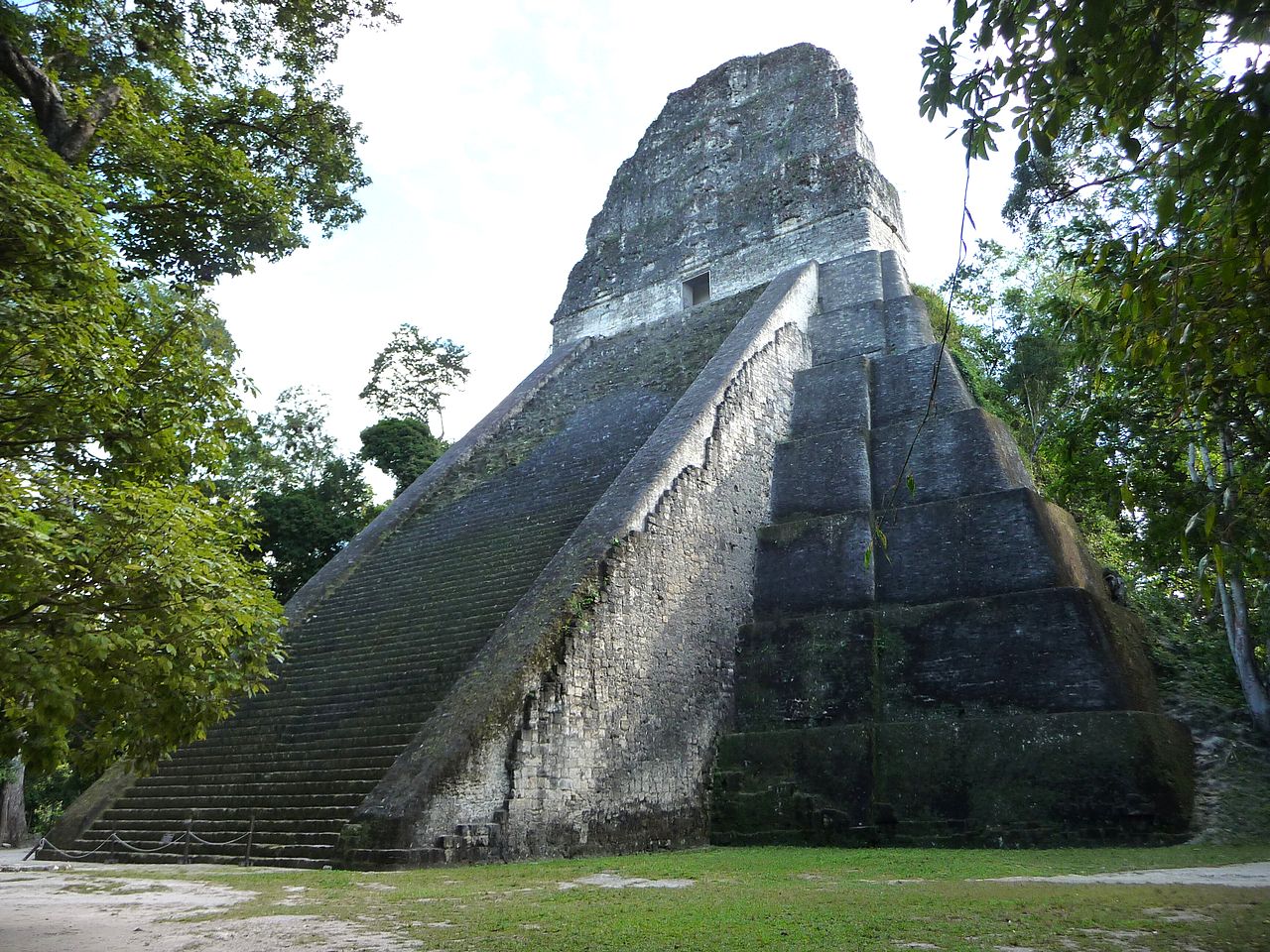
The urban core is organized around a series of plazas and monumental groups. The Great Plaza, framed by the North Acropolis and large temple-pyramids, served as a civic and ritual focus. Iconic structures include Temple I (commonly called the Temple of the Great Jaguar) and Temple IV, which rises high above the canopy and is among the tallest Maya constructions still standing. The site also contains palaces, ballcourts, stelae bearing carved hieroglyphs, altars, causeways (sacbeob) and engineered water storage features.
Architecture, inscription and material culture
Builders at Tikal worked in local limestone and produced corbelled vaults, stepped pyramids and elaborately finished facades. Monumental stelae and altars record dynastic events, rituals and calendrical information in Maya hieroglyphic texts; these inscriptions have been central to reconstructing the political history of Tikal and its relations with other polities. Excavated residential groups and palatial compounds reveal patterns of social differentiation, craft production and everyday life, while imported goods and stylistic influences attest to long‑distance connections across Mesoamerica.
Chronology and political history
Occupation at Tikal extends back to the Preclassic period, with major growth and construction during the Classic era (roughly AD 200–900). During its peak, Tikal exerted considerable influence across the southern Maya lowlands through alliances, warfare and trade. Evidence from architecture, ceramics and inscriptions shows phases of expansion and rivalry with neighboring city-states. After the Late Classic period, large-scale construction largely ceased, some monumental complexes were burned or modified, and the resident population declined. By the end of the Terminal Classic the city had been largely abandoned as a major political center; explanations for decline include environmental stress, political fragmentation and disruptions to regional networks, and most scholars favor a combination of causes rather than a single factor.
Archaeology, conservation and public access
European explorers reported the ruins in the 19th century, and systematic archaeological investigation increased in the 20th century through work by Guatemalan and international teams. Excavation, mapping and epigraphic study have clarified chronology, rulers and events recorded at the site. Conservation efforts focus on stabilizing monuments, managing vegetation, preventing looting and balancing visitor access with research and protection of natural and cultural resources. Ongoing research continues to refine understanding of Tikal’s urban organization, economy and environmental adaptation.
Significance
Tikal is distinctive for the scale of its monumental core, its long occupational sequence and its rich hieroglyphic record. As a center of Classic Maya culture, it provides key evidence for urbanism, statecraft, ritual architecture and environmental management in ancient Mesoamerica. Its dramatic temples rising above the forest canopy have also made it an emblematic image of Maya civilization in popular imagination.
Further resources
- Orthography and name variants
- Location in Guatemala and regional setting
- Coordinates and mapping resources
- UNESCO World Heritage summary
- National park and visitor information
- Monumental architecture overview
- Architectural styles and construction
- Classic Period context
- Chronology and periodization
- Political organization and regional influence
- Economy and trade networks
- Military evidence and fortifications
- Connections across Mesoamerica
- Comparisons with central Mexican cultures
- Palaces and residential compounds
- Late Classic decline and abandonment
Questions and answers
Q: What is the modern day location of Tikal?
A: Tikal is located in modern day Guatemala at 17°13′19″N 89°37′22″W / 17.22194°N 89.62278°W / 17.22194; -89.62278Coordinates: 17°13′19″N 89°37′22″W / 17.22194°N 89.62278°W / 17.22194; -89.62278
Q: When was the oldest monumental architecture built in Tikal?
A: The oldest monumental architecture at the site dates to the 4th century BC.
Q: What period was considered to be the best time for Tikal?
A: The best time of Tikal was during the Classic Period, from 200 AD to 900 AD.
Q: How did Tikal become a major cultural and population center of the Maya civilization?
A: During its peak, it was linked with areas throughout Mesoamerica, such as central Mexican, which allowed it to become a major cultural and population center of the Maya civilization through trade and political influence over other regions in Mesoamerica.
Q: Why did new monuments stop being built after 900 AD?
A: After 900 AD some palaces were burned and the population declined which caused people to abandon building new monuments at that time due to lack of resources and manpower needed for construction projects on that scale..
Q: What is Tikal now known as?
A: Nowadays, Tikal is a UNESCO World Heritage Site and a popular tourist spot for visitors interested in exploring ancient ruins from Mayan culture.
Related articles
Author
AlegsaOnline.com Tikal: Major Ancient Maya City in Guatemala Leandro Alegsa
URL: https://en.alegsaonline.com/art/99852
Sources
- whc.unesco.org : "Tikal National Park"
- worldcat.org : 71165439