
Pacific hurricane — tropical cyclones of the northeastern Pacific Ocean
A Pacific hurricane is a tropical cyclone that forms in the northern Pacific east of the International Date Line. This article explains formation, structure, seasons, impacts, monitoring and distinctions.
Overview
A Pacific hurricane is a tropical cyclone that develops in the northern Pacific Ocean east of the International Date Line. These storms are the same meteorological phenomenon as other tropical cyclones: organized systems of thunderstorms with a defined circulation, fueled by warm ocean waters and the atmosphere's rotation. The term helps distinguish storms in this part of the ocean from those in the western Pacific — called typhoons — and from tropical cyclones in the Atlantic.
Image gallery
4 Images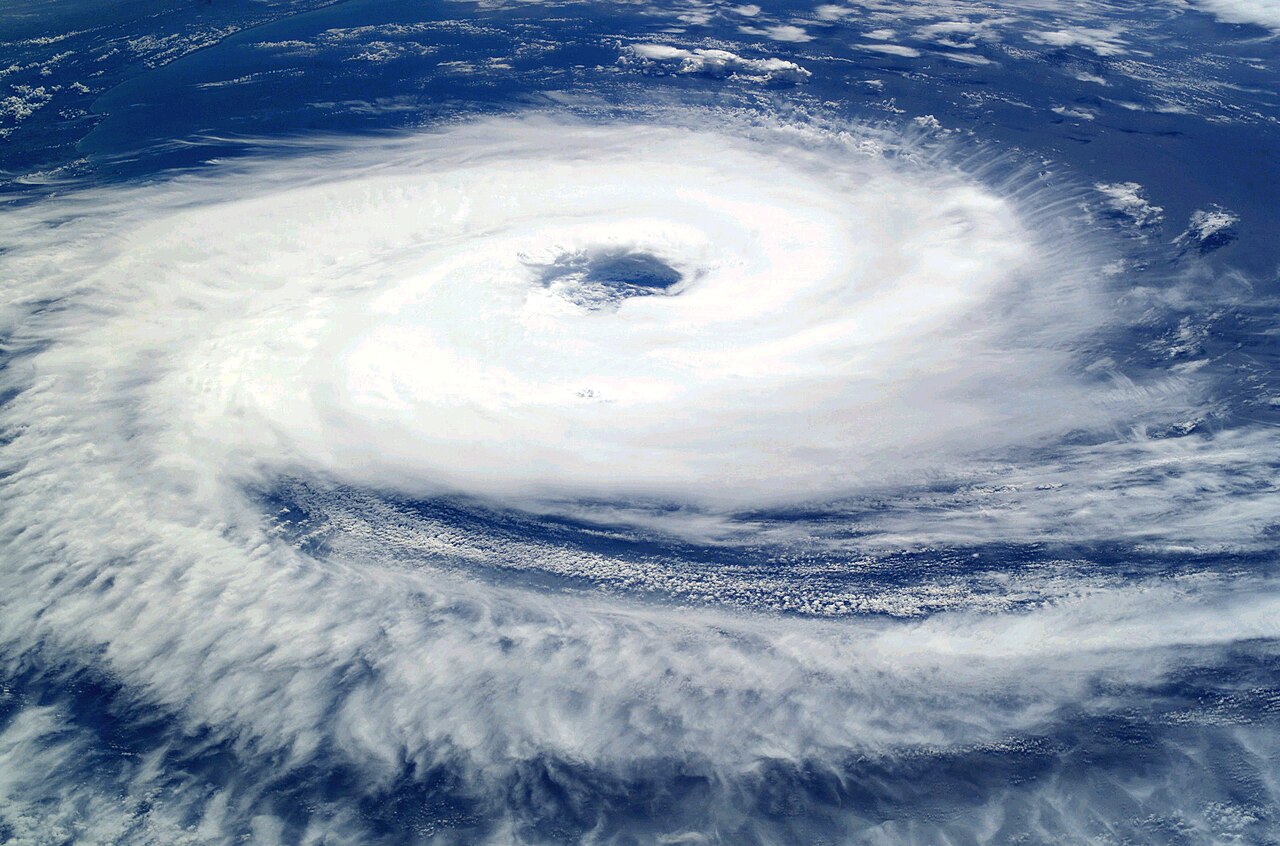


Where and when they form
For operational and climatological purposes the Pacific is divided into eastern, central and western basins. A Pacific hurricane generally refers to storms forming in the eastern and central northern Pacific basins, which span from the North American coast westward to the International Date Line. These systems arise most often during the warmer months when sea-surface temperatures are high and atmospheric conditions favor vertical motion and rotation. The basic environmental requirements are warm ocean water, moist mid-troposphere, and relatively low vertical wind shear.
Structure and characteristics
Tropical cyclones in the Pacific share the familiar structure of a warm-core system: a central area of low pressure, organized bands of convection, and often an eye in stronger storms. Their intensity varies from weak tropical storms to major hurricanes with destructive winds, heavy rains and coastal surge. The storms' lifecycles can be influenced by ocean heat content, large-scale climate patterns, and steering flows which determine their paths and landfall potential.
Monitoring and seasons
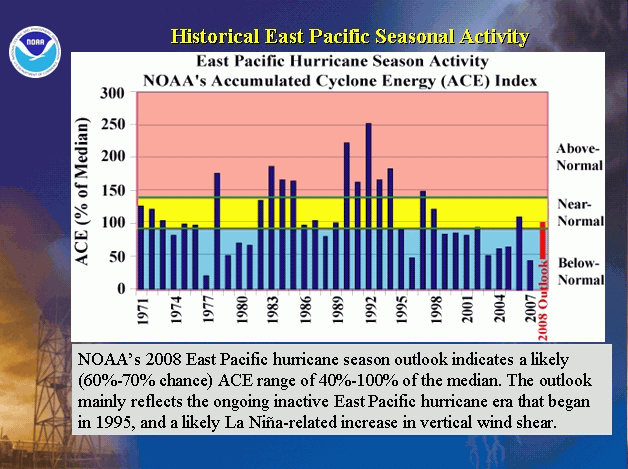
Regional forecasting agencies monitor and issue warnings for Pacific hurricanes. In the eastern Pacific the primary center issues advisories for storms west of North America, while the central Pacific basin is covered by a separate center. Observations come from satellites, aircraft reconnaissance in some cases, ocean buoys and remote sensing. The seasonality is pronounced, with most activity concentrated in late spring through autumn when ocean and atmospheric conditions are most favorable.
Impacts and examples
Pacific hurricanes can produce intense rainfall, flooding, destructive winds and coastal storm surge where they approach land. Even when they remain offshore, their moisture and remnants may bring heavy rains far inland and can interact with other weather systems to affect wide regions. They also influence ocean conditions and ecosystems by mixing surface waters and altering currents. Mariners, coastal communities and infrastructure are particularly vulnerable to strong systems.
Distinctions and notable facts
- Terminology: the same phenomenon is called a tropical cyclone generally; in the western North Pacific the term used is typhoon.
- Basin limits: the Pacific Ocean is split into operational areas for naming and tracking; storms rarely cross the dateline into the western Pacific.
- Remote effects: Pacific hurricanes can affect weather far from their centers, including heavy rainfall in parts of the western United States and Mexico.
History and research
Scientific understanding of Pacific hurricanes has grown with satellite imagery, improved computing for numerical forecasts and long-term climatological records. Continued research focuses on how climate variability and long-term climate change may alter storm frequency, tracks and intensities. Practical improvements in forecasting and preparedness reduce loss of life and property, while international cooperation supports monitoring across the vast Pacific basin.
Further reading
For general definitions and technical descriptions consult resources on tropical cyclones and ocean basin divisions. Official forecasts, advisories and historical archives are maintained by regional meteorological centers that track Pacific tropical systems.
Related articles
Author
AlegsaOnline.com Pacific hurricane — tropical cyclones of the northeastern Pacific Ocean Leandro Alegsa
URL: https://en.alegsaonline.com/art/73919