
Pacer (British Rail railbus family, 1980s–2021)
Pacer were low-cost British railbuses built 1980–1987 as stopgap diesel multiple units. Bus-derived, two-axle designs proved unpopular and were largely withdrawn by 2021 after accessibility rules and operator retirements.
Overview
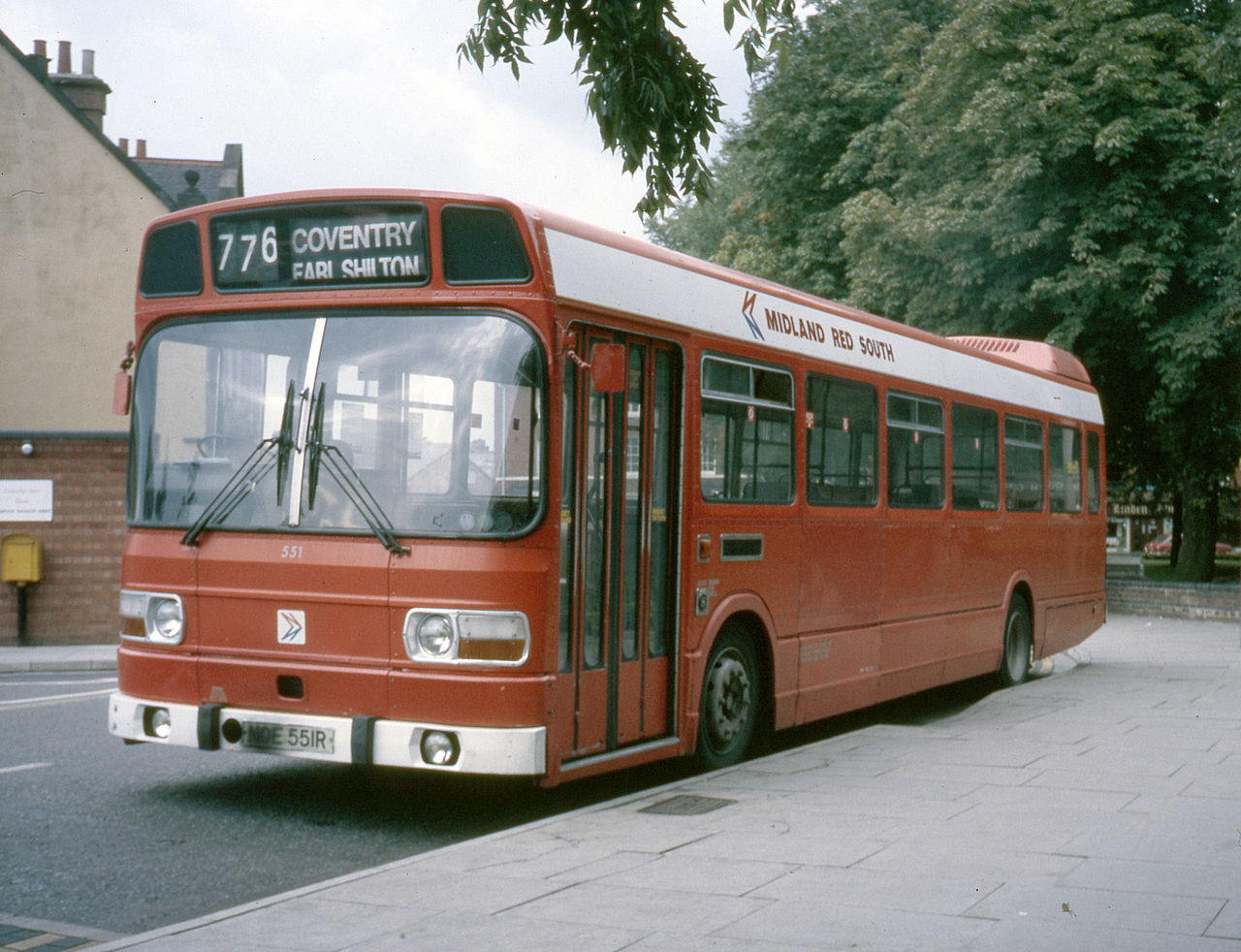
Pacer is the informal name given to a family of British-built railbuses produced between 1980 and 1987 as a short-term solution to a shortage of conventional trains. Intended to be inexpensive and quick to build, they combined road-bus components with simplified rail underframes. Pacers entered widespread regional and branch-line service across the United Kingdom, but they gained a mixed reputation because of poor ride quality, noise, limited accessibility and a basic interior intended to keep costs down.
Image gallery
10 Images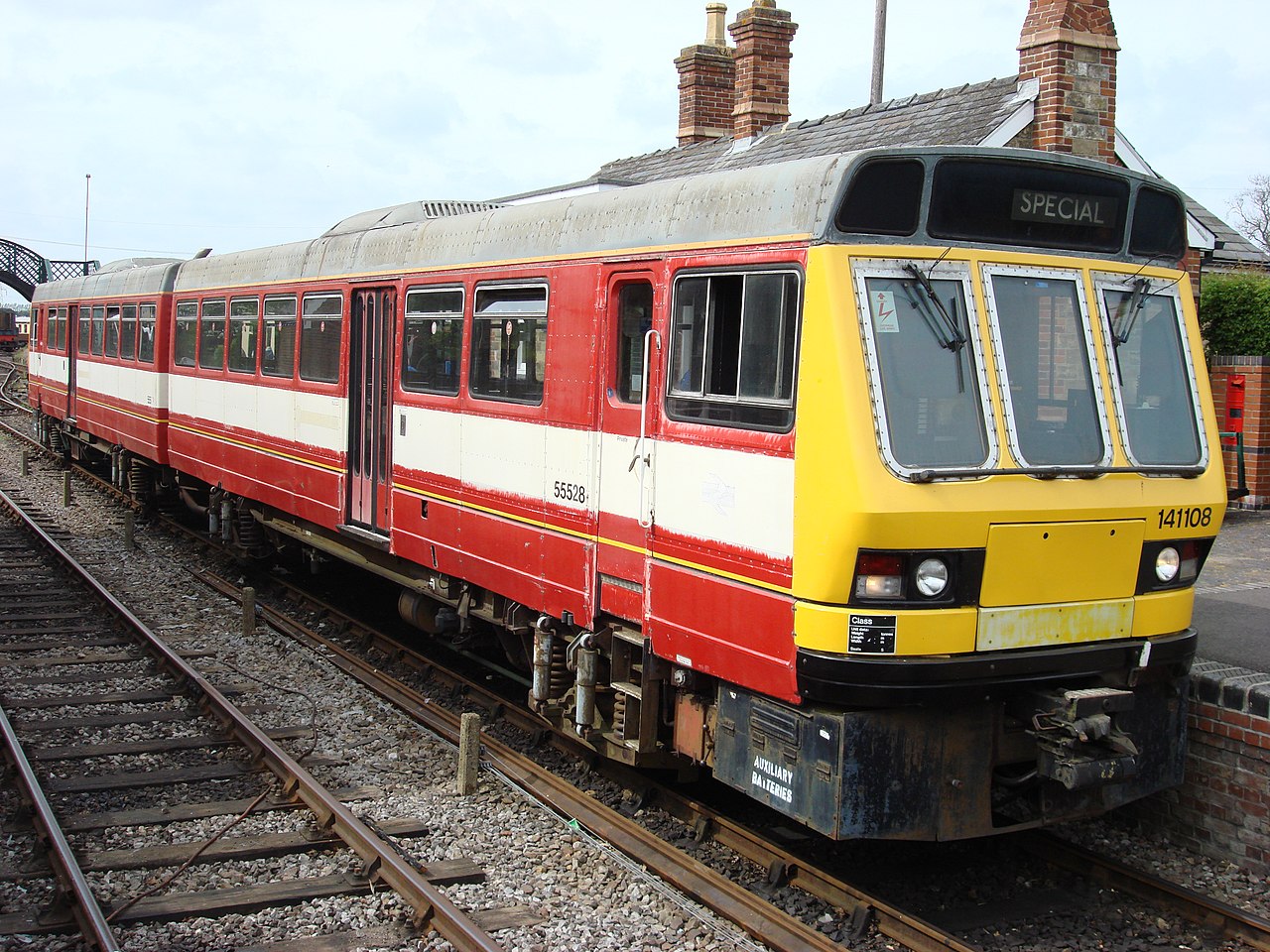




Design and technical approach
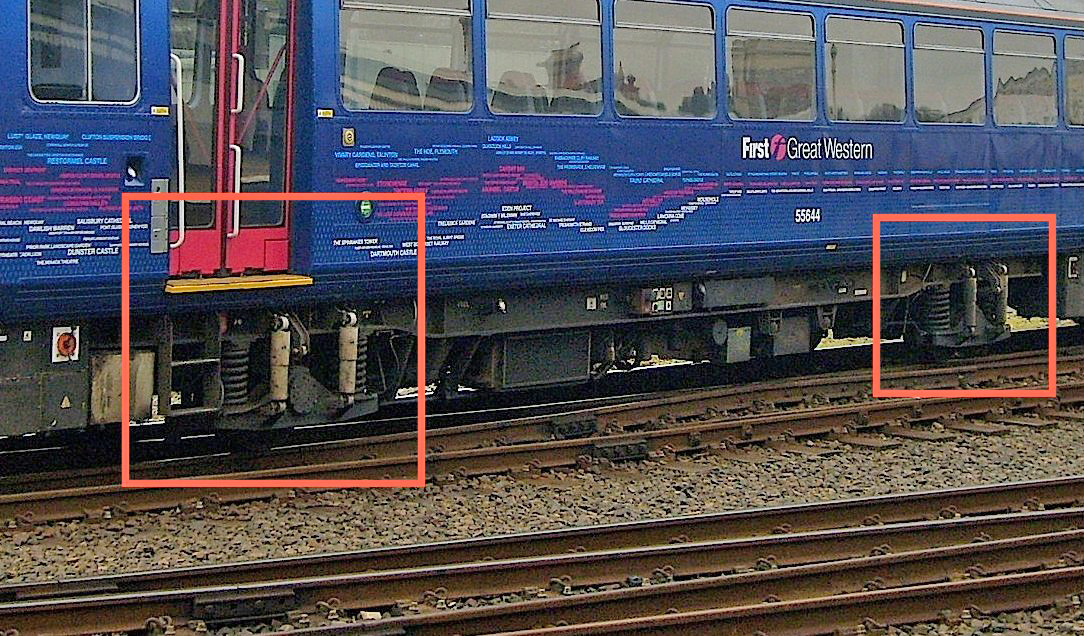
The Pacers are often described as a type of railbus. The project was led and promoted within British Rail as a pragmatic, low-cost answer to replacing elderly rolling stock quickly. Technically these vehicles are diesel multiple units in that each unit carried its own diesel power and driving controls, but the bodywork and many fittings were derived from highway buses. Many early Pacers used two-axle designs rather than conventional bogies, which reduced complexity and cost but increased sensitivity to track irregularities and produced a characteristic lurching motion on jointed or uneven track.
Classes and production
Several class families were produced in small series and prototypes, often reflecting incremental changes in suppliers and construction methods. Principal classes are represented by the designations Class 140, Class 141, Class 142, Class 143 and Class 144. Each class incorporated revisions intended to improve reliability or passenger accommodation compared with the prototype vehicles. As built, interiors were utilitarian and seating arrangements were similar to contemporary buses, with narrow gangways and limited luggage space.
Operational role and regions
Pacers were deployed primarily on local, suburban and rural services where traffic levels did not justify longer or more expensive trains. They were a common sight in northern England, Wales and on some branch lines elsewhere. Operators used the units because they were economical to buy and could be introduced quickly, helping British Rail maintain services while awaiting new rolling stock procurement programmes.
Criticism and accessibility
Over time, Pacers attracted criticism from passengers, transport commentators and politicians. Common complaints included a rough ride, noise, limited seating comfort and insufficient space for wheelchairs and mobility aids. Accessibility regulations aimed at improving travel for people with disabilities highlighted these shortcomings. Although an exemption allowed Pacers to continue in service for a limited period, statutory requirements and changing expectations made long-term use increasingly untenable.
Operators and withdrawal
By the late 2010s and into 2020, a dwindling number of Pacers remained in service with a few operators. At the start of 2020 several units were still used or stored by operators including Great Western Railway, Transport for Wales and Northern operators. Policy decisions and regulatory deadlines led to an accelerated retirement programme: Northern Trains completed withdrawals in late 2020, Great Western Railway removed its last units by December 2020, and Transport for Wales ran a small number into 2021 before ending regular passenger use.
Refurbishment and exceptions
Some Pacers received refurbishment packages that improved seating, lighting and passenger information, and at least one subclass was modified to better meet accessibility standards. These refurbished examples attempted to extend useful service life and to address criticism, but widespread replacement with modern rolling stock was generally preferred because upgrades could not fully overcome inherent design limitations such as two-axle running gear and the basic body structure.
Legacy and preservation
Although unpopular in many quarters, Pacers occupy an important place in late 20th-century British rail history as an example of cost-driven design and rapid procurement. Enthusiasts and heritage groups have preserved a number of units for museums and heritage railways, where they are used for demonstration and interpretation of the period. In addition, a handful of vehicles have been repurposed for community projects and static exhibits, illustrating how industrial artefacts can find new life beyond their original role.
Context and lessons
The Pacer story is often invoked in discussions about procurement priorities, accessibility and the trade-offs between short-term economy and long-term suitability. It demonstrates that vehicles designed to meet an immediate gap in capacity can become difficult to replace once widely adopted, and that regulatory standards and customer expectations can change the calculus of whether basic, low-cost solutions remain acceptable. For further background on the Pacer concept and specific classes see individual technical and historical accounts via specialist sources and rail preservation groups.
- Early prototype and planning material is often referenced in technical histories and enthusiast literature; for introductory overviews see general summaries of the railbus concept and the work of British Rail.
- Class-level summaries are available that describe the features of Class 140, Class 141, Class 142, Class 143 and Class 144.
- Discussion of regulatory and accessibility issues can be found in material addressing disability access and rolling stock compliance, including commentary about adaptations and exemptions provided to older stock such as the Pacers; see links about accessibility and rolling stock policy.
- Operator histories and withdrawal timetables are documented by the companies that ran Pacers, including Great Western Railway, Transport for Wales and regional Northern services.
Related articles
Author
AlegsaOnline.com Pacer (British Rail railbus family, 1980s–2021) Leandro Alegsa
URL: https://en.alegsaonline.com/art/73899