
British Rail Class 143 Pacer diesel multiple unit
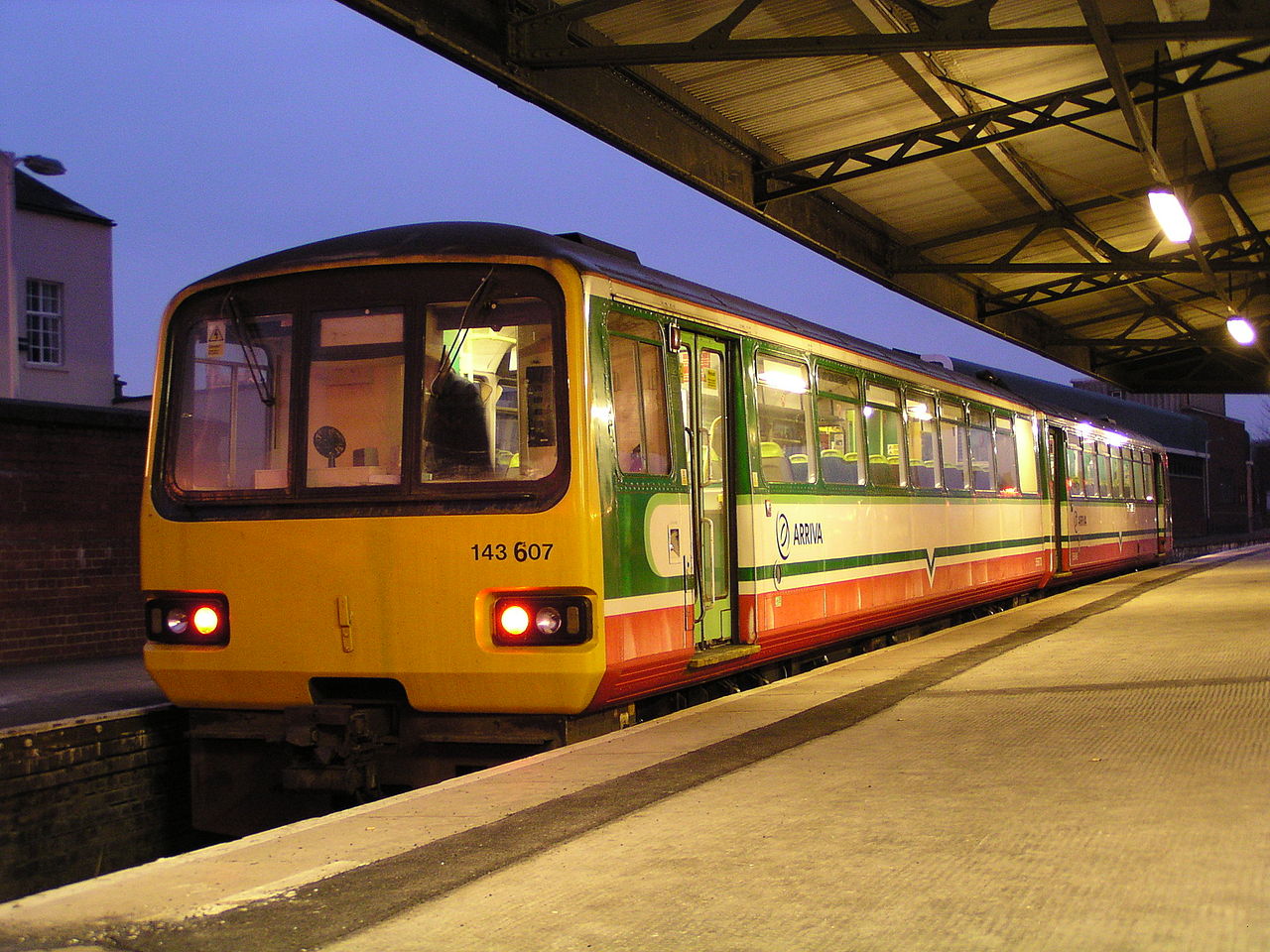
The Class 143 is a two-car Pacer diesel multiple unit introduced in 1985–86. Twenty-five units were built with bus-derived bodies on freight chassis; they served regional and branch services, mainly in NE England and Wales.
The British Rail Class 143 is a member of the Pacer family of diesel multiple units designed as a low-cost solution for short-distance regional and branch-line services. Introduced in 1985–86, the fleet comprised 25 two-car sets originally numbered 143001–143025 and later renumbered 143601–143625. Early workings were concentrated in North East England, with many units later transferred to operate in Wales and other parts of the UK rail network.
Image gallery
10 Images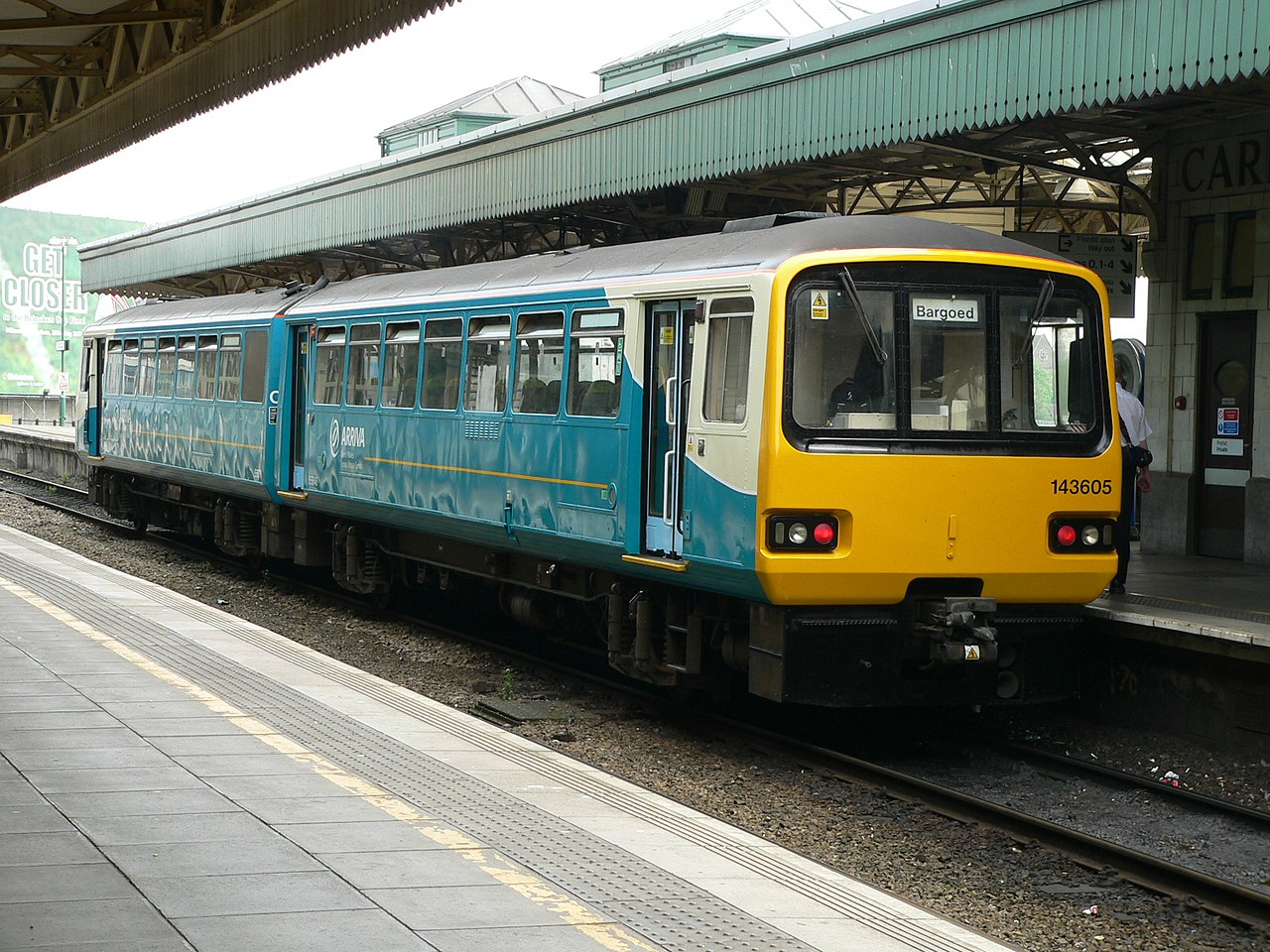




Characteristics
- Formation and layout: generally two-car sets aimed at short, frequent services rather than long-distance comfort.
- Structure: bodies derived from bus design, using an Alexander bus-style shell mounted on a robust underframe.
- Running gear: bodyshells were placed on a simple, heavy-duty underframe adapted from freight/ goods vehicles — often described as a freight truck chassis in common accounts.
- Propulsion: diesel-powered multiple unit configuration with driving cabs at each end for quick turnarounds.
- Accommodation and facilities: basic seating and limited onboard amenities compared with more modern DMUs; built for cost-efficiency and high utilisation.
The Class 143 is categorized as a diesel multiple unit, meaning each set carries its own traction equipment rather than relying on a locomotive. This arrangement simplified operations on lightly used routes where running a full locomotive-hauled train would be uneconomic. The emphasis in the design was on low capital cost and easy maintenance rather than passenger comfort.
History and development
Pacers were conceived in the early 1980s to replace ageing first-generation suburban and branch-line rolling stock with a cheap, quick-to-build option. The Class 143 emerged from that policy as one of several Pacer sub-types. Construction used readily available bus components and straightforward underframes to keep costs down and speed production. The approach reduced procurement time and initial outlay for operators facing budget constraints.
During their operational life the Class 143 fleet carried out regional passenger duties, such as commuter and short-distance services where frequent stops and tight schedules were common. Operators gradually moved units between regions to meet changing timetables and franchise arrangements. Over time the Pacers attracted criticism for a rougher ride, higher interior noise levels and relatively Spartan facilities compared with newer rolling stock, criticisms that influenced later replacement programmes.
Legacy, refurbishment and preservation
Although controversial, the Class 143 and other Pacers served an important transitional role in UK regional rail by maintaining services where alternatives would have been expensive or disruptive. Some sets underwent interior refurbishments to improve passenger experience, while others were withdrawn as modern multiple units were introduced. A number of former Class 143 cars have been preserved on heritage railways or repurposed for non-passenger uses, reflecting both their significance as economical workhorses and the wider debate over comfort versus cost in public transport planning.
Notable facts: the Pacer family is often mentioned in discussions about low-cost rail vehicle design and the trade-offs involved. The Pacer nickname is widely used in public commentary and railway literature. For further technical details or historical records see related resources and operator histories linked from specialist archives and enthusiast sites.
References and additional reading are available via operator and preservation group pages; for online entries consult rail databases and documentary collections: Class 143 overview, DMU technical notes, regional service histories, Wales fleet transfers, bus-body origins, underframe background.
Tags
Related articles
Author
AlegsaOnline.com British Rail Class 143 Pacer diesel multiple unit Leandro Alegsa
URL: https://en.alegsaonline.com/art/14343
Sources
- therailwaycentre.com : "TheRailwayCentre - Class 143"
- commons.wikimedia.org : British Rail Class 143